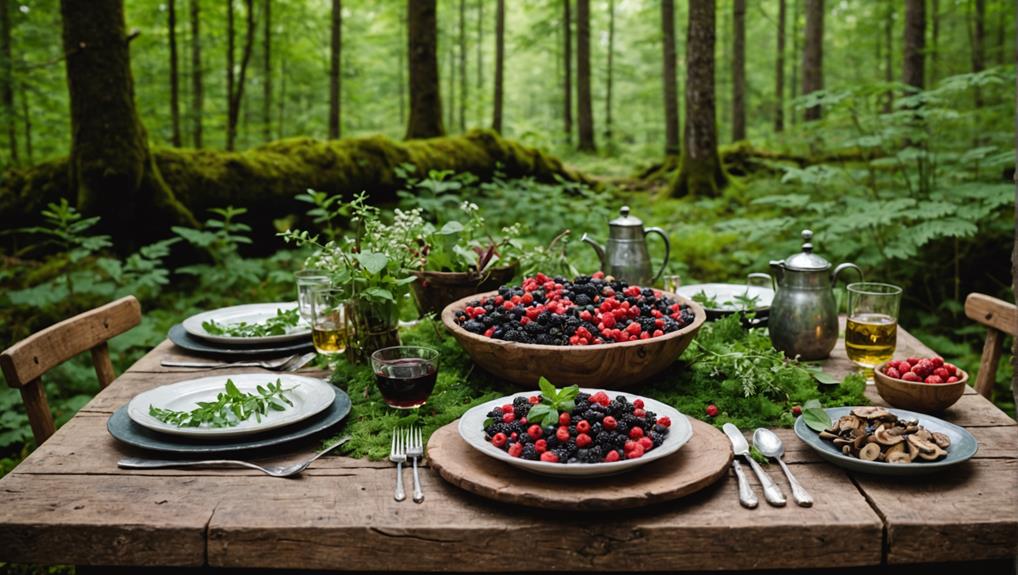
You might wonder how foraged ingredients can elevate Nordic cuisine beyond the typical flavors. By integrating wild foods like mushrooms and berries, chefs not only embrace unique taste profiles but also honor the region's rich culinary traditions. This practice fosters a sustainable approach to cooking that celebrates local ecosystems. However, the impact of these ingredients goes deeper than just flavor and sustainability; it also ties into health benefits and seasonal rhythms. What if the connection between foraging and modern culinary practices is more profound than you think?
Need cookware for your meal? Toolbox, a Pear to Pear rental marketplace, might be worth a look.
Quick Takeaways
- Foraged ingredients provide authentic flavors that reflect the unique landscapes of the Nordic region, enhancing the cultural connection to the dishes.
- Incorporating wild, seasonal foods promotes sustainability and biodiversity, aligning with the principles of New Nordic Cuisine.
- Foraged foods are often richer in nutrients and antioxidants, contributing to healthier meal options and diverse diets.
- Seasonal foraging fosters creativity in cooking, allowing chefs to explore new flavors and ingredients that celebrate the local environment.
Significance of Foraging in Nordic Cuisine
Foraging plays an essential role in Nordic cuisine, as it harnesses the region's wild, seasonal ingredients to create authentic dishes that celebrate the natural landscape. When you incorporate foraged ingredients into your cooking, you not only enhance the flavors but also connect with the rich heritage of the land. Imagine picking fresh berries, mushrooms, or herbs—each bite tells a story of the environment and culture.
Using these wild ingredients promotes biodiversity and sustainability, minimizing your ecological footprint while supporting local economies. By embracing foraged items, you're actively participating in responsible harvesting practices that respect natural resources. This connection to the land fosters a profound appreciation for what it offers, allowing you to share meaningful dishes with others.
Nordic cuisine's focus on foraging aligns beautifully with the principles of New Nordic Cuisine, emphasizing purity, simplicity, and seasonal availability. When you serve meals crafted from foraged ingredients, you're not just providing nourishment; you're offering a dining experience that celebrates the essence of the region. Your guests will surely appreciate the authenticity and thoughtfulness behind each dish, creating memorable moments around the table.
Traditional Dishes Featuring Foraged Ingredients
When you explore traditional Nordic dishes, you'll discover how foraged ingredients create unique flavor profiles that reflect the landscape.
Seasonal treasures like wild mushrooms and berries not only enhance the taste but also connect you to the rhythms of nature.
Incorporating these elements into meals is a celebration of both the local environment and the rich culinary heritage of the region.
Unique Flavor Profiles
Exploring the unique flavor profiles of traditional Nordic dishes reveals how foraged ingredients like wild berries and mushrooms transform familiar recipes into extraordinary culinary experiences. When you incorporate these elements, you'll find that they bring balance and depth to your dishes.
Here are some highlights of how foraged ingredients elevate Nordic cuisine:
- Wild Berries: Ingredients like cloudberries add a tart brightness, perfect for compotes and desserts.
- Foraged Mushrooms: Chanterelles, with their earthy flavor, enrich risottos and sauces, enhancing umami in every bite.
- Wild Herbs: Using herbs such as ramson (wild garlic) can add a fresh, zesty kick to soups and salads, making them more vibrant and appealing.
- Indigenous Plants: Sorrel and nettles introduce an exciting acidity to traditional soups and stews, offering both flavor and nutritional benefits.
Seasonal Ingredient Connection
Traditional Nordic cuisine thrives on the seasonal ingredient connection, showcasing how dishes come alive with the vibrant flavors of freshly foraged mushrooms, berries, and herbs.
Imagine serving a warm berry compote made from wild berries like lingonberries and blueberries, their sweet-tart notes perfectly complementing a rich, creamy dessert. In late summer, you might incorporate chanterelles into a savory sauce, adding depth to grilled meats or roasted vegetables.
As autumn approaches, the delicate sweetness of cloudberries can elevate a simple dish, transforming it into something extraordinary. Utilizing foraged ingredients like ramson not only enriches your dishes but also offers health benefits, making your meals both nutritious and delicious.
Nordic cooking celebrates creativity and resourcefulness, with traditional recipes often featuring pickled mushrooms or herb-infused oils. By highlighting these seasonal treasures, you not only honor the land but also promote sustainability.
Your guests will appreciate the connection to nature, experiencing the essence of each season on their plates. Embrace this philosophy, and let the seasonal ingredient connection guide your culinary journey, establishing a deeper appreciation for the food you serve.
Seasonal Foraging Practices
When you step into the Nordic wilderness, you're greeted by a bounty of seasonal ingredients waiting to be discovered.
With foraging techniques passed down through generations, you'll learn to identify the prime times for harvesting wild berries and mushrooms, ensuring you capture their peak flavors.
This practice not only enriches your culinary creations but also deepens your connection to the land and its rhythm.
Foraging Techniques and Methods
Seasonal foraging practices are a dynamic way to connect with nature, as you discover the best times to gather wild berries and mushrooms flourishing in late spring and summer.
To master foraging techniques, consider these essential methods:
- Understand the habitat: Familiarize yourself with where specific plants thrive. Each region has its unique ecosystems, so knowing your local landscapes helps in finding the best spots.
- Use field guides: Invest in a reliable field guide for plant identification. This tool is invaluable for distinguishing edible species from toxic ones, ensuring you forage safely.
- Practice sustainable harvesting: Always leave enough of the plant or mushroom behind to promote regrowth. Not only does this maintain ecological balance, but it also supports biodiversity.
- Stay informed on regulations: Before heading out, check local laws regarding foraging. Some areas have restrictions to protect native species, and adhering to these guidelines is vital.
Engaging in community foraging events or workshops can further enhance your skills and knowledge. By sharing your experiences and discoveries, you'll not only enrich your culinary endeavors but also foster a deeper appreciation for nature's bounty.
Seasonal Ingredient Availability
Understanding the seasonal availability of foraged ingredients in Nordic cuisine allows you to celebrate the unique flavors that nature offers at different times of the year.
In the short, vibrant summers of Scandinavia, wild berries and mushrooms burst forth, inviting you to forage during peak harvesting months. When you gather these ingredients at their freshest, you maximize their nutritional value and enhance your Nordic dishes with remarkable depth.
Foraging encourages you to embrace ingredients like ramson in spring or cloudberries in late summer, promoting a seasonal eating approach that reduces reliance on imports.
Each season presents a new tapestry of flavors, as herbs, greens, and fungi transform your cooking and elevate traditional recipes into something extraordinary.
Flavor Profiles of Foraged Foods
Foraged foods burst with vibrant flavors that transform dishes into a celebration of nature's bounty, offering a taste experience that cultivated ingredients simply can't match.
When you incorporate foraged ingredients into your cooking, you'll discover a world of unique flavors that can elevate your culinary creations. Here are some standout profiles to explore:
- Wild Garlic (Ramson): This aromatic herb brings a robust flavor that adds depth to your dishes, far beyond any store-bought garlic.
- Cloudberries and Lingonberries: These berries deliver a delightful balance of tartness and sweetness, perfect for enhancing both savory and sweet recipes.
- Chanterelles and Penny Buns: These wild mushrooms infuse umami richness and earthy notes, making sauces and soups more complex and satisfying.
- Dill and Sorrel: Fresh and zesty, these foraged herbs brighten traditional Nordic dishes, adding an unexpected twist to salads and entrees.
Health Benefits of Foraged Ingredients
Incorporating wild ingredients into your meals not only tantalizes your taste buds but also offers a wealth of health benefits that can enhance your overall well-being. Foraged ingredients, like wild berries and mushrooms, are often richer in vitamins and antioxidants than their cultivated counterparts, making your dishes more nutrient-dense.
Imagine serving a vibrant salad adorned with ramson, which can help lower blood pressure, or a dessert featuring cloudberries, packed with Vitamin C to promote oral health.
Moreover, foraged foods are typically organic and free from pesticides, providing a cleaner, healthier option for you and your loved ones. By embracing seasonal foraged ingredients, you can encourage a diverse diet that introduces various beneficial nutrients and fibers, improving gut health.
Think of the delight in discovering unique, nutrient-rich ingredients like penny bun mushrooms, historically renowned for their medicinal properties.
Incorporating these foraged ingredients into your culinary repertoire not only elevates your meals but also nourishes those you serve, promoting a healthier lifestyle for everyone at your table.
Embrace the bounty of nature, and watch as your dishes come alive with flavor and health benefits.
Sustainable Practices in Foraging
Sustainable practices in foraging not only nurture the environment but also enrich your culinary experiences by connecting you with the rhythms of nature. When you forage, you engage in a mindful and responsible way of sourcing your ingredients.
Here are four key sustainable practices to reflect on:
- Harvesting Responsibly: Take only what you need to guarantee that plants can regenerate and thrive. This helps maintain the ecological balance and allows others to enjoy the bounty of nature.
- Seasonal Eating: Embrace the seasons by foraging for ingredients that are naturally ripe. This not only enhances the flavors in your dishes but also supports biodiversity by encouraging the use of various native species.
- Local Sourcing: By foraging close to home, you greatly reduce your carbon footprint. This avoids the emissions linked to transporting store-bought products.
- Community Awareness: Educate yourself and others about local ecosystems. Understanding and respecting natural resources fosters a culture of conservation within your community.
Influence of Foraging on Modern Recipes
The art of foraging not only supports sustainable practices but also injects vibrant flavors and textures into modern Nordic recipes, inviting chefs to explore innovative ways to celebrate the region's natural bounty.
By incorporating foraged ingredients like wild berries and mushrooms, you can elevate your dishes, making them stand out with unique taste profiles and nutritional benefits.
Imagine using ramson to create a fresh pesto or sautéing chanterelles to add depth to a creamy risotto. These foraged ingredients not only enhance the culinary experience but also encourage a connection to the seasons and local environment.
As you blend contemporary techniques with traditional Nordic cuisine, you'll discover a rich tapestry of flavors that tell a story about the land.
Integrating foraged elements into your cooking allows you to promote sustainable practices while reducing your carbon footprint. Each dish becomes a celebration of the region's natural bounty, inviting your guests to savor the essence of local culture and history.
This approach not only enriches the dining experience but also inspires others to appreciate the beauty of foraged ingredients in their own culinary adventures.
Common Questions
What Are the Special Ingredients Used in Scandinavian Cuisine?
In Scandinavian cuisine, you'll discover wild berries, root vegetables, and freshwater fish. Ingredients like ramson, chanterelles, and Icelandic skyr showcase the region's flavors, enriching your dishes while celebrating the unique Nordic culinary heritage.
What Influenced Scandinavian Cuisine?
Scandinavian cuisine's evolution is nothing short of culinary magic, shaped by Viking traditions, modern techniques, and a deep respect for local ingredients. You'll find innovation thriving alongside history, creating unforgettable dishes that delight every palate.
What 3 Things Can Describe Nordic Cuisine?
Nordic cuisine thrives on simplicity, seasonal ingredients, and healthfulness. You'll appreciate the fresh, minimalistic flavors that highlight local produce, while enjoying nutrient-dense dishes that nourish both body and soul during the region's long winters.
What Contributed to the Development of the New Nordic Cuisine?
The New Nordic Cuisine developed from a desire for sustainability and simplicity, emphasizing local, seasonal ingredients. Influential chefs like Renée Redzepi showcased unique flavors, reconnecting people with Nordic culinary traditions and the region's rich terroir.
Wrapping Up
Incorporating foraged ingredients into Nordic cuisine not only elevates flavors but also nurtures a deeper connection to nature.
Did you know that over 80% of Finland's wild berries are left unharvested each year? This statistic highlights the untapped potential of foraging.
By embracing these natural treasures, you're not just enjoying unique dishes; you're also supporting sustainability and biodiversity.
So, next time you savor a meal rich with foraged delights, remember the land's hidden gifts waiting to be discovered.