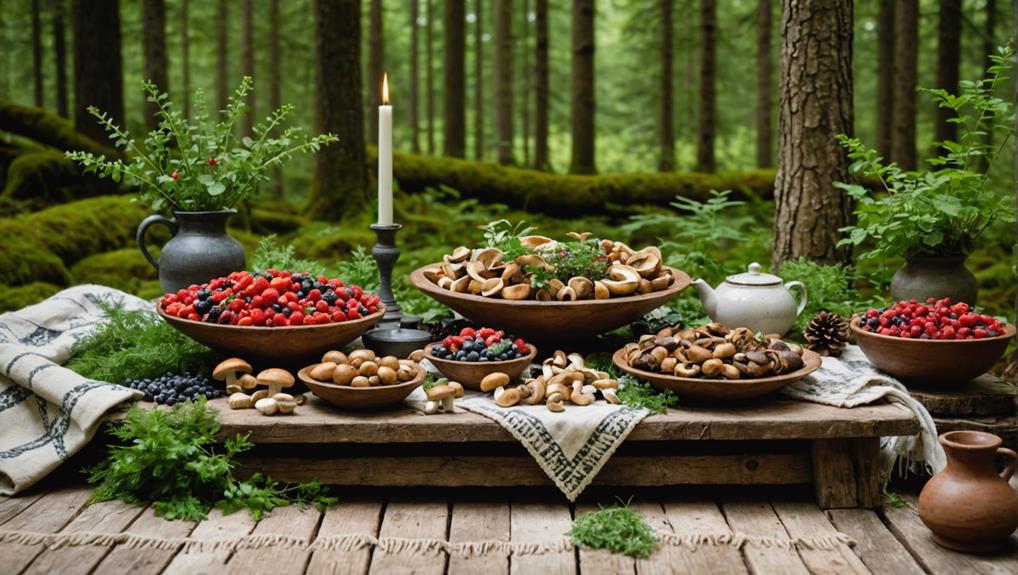
When you explore the flavors of traditional Scandinavian cuisine, you uncover the essence of foraged mushrooms, you discover the sweetness of wild berries, and you appreciate the depth of seasonal herbs. This culinary tradition not only celebrates the natural bounty of the Nordic landscape but also invites you to connect with its rich history. Imagine creating dishes that reflect both the seasons and the land's offerings. The question remains: how can these foraged ingredients elevate your own cooking experiences?
Need cookware for your meal? Toolbox, a Pear to Pear rental marketplace, might be worth a look.
Quick Takeaways
- Traditional Scandinavian recipes often incorporate foraged berries like lingonberries and cloudberries for natural sweetness and vibrant flavors in desserts and sauces.
- Wild mushrooms, such as chanterelles, enhance dishes like risotto, providing unique depth and earthy flavors to classic recipes.
- Foraged herbs, including ramson and dill, elevate fish dishes, imparting freshness and aromatic qualities to grilled or baked seafood.
- Seasonal salads feature foraged greens like wild sorrel, combined with berries, to create refreshing and nutritious dishes celebrating local produce.
Foraged Ingredients in Nordic Cuisine
Foraged ingredients like chanterelles and wild garlic aren't just additions but essential elements that elevate the flavors of Nordic cuisine, connecting you to the rich tapestry of the landscape. When you immerse yourself in Scandinavian cooking, you'll discover that these ingredients bring a unique depth to traditional dishes, enhancing their authenticity.
Picture crafting a kantarell pesto, where the earthy richness of foraged chanterelles melds harmoniously with fresh herbs and nuts, creating a sauce that bursts with flavor.
As autumn unfolds, the Nordic region offers a treasure trove of edible delights—mushrooms, wild herbs, and seasonal berries like cloudberries and blueberries. By embracing the practice of foraging, you not only support sustainable cooking but also foster a deeper connection to nature.
Allemansrätten, or the 'freedom to roam,' empowers you to explore and gather these wild ingredients, making your culinary creations even more special.
Incorporating foraged ingredients into your recipes not only showcases the beauty of the Nordic landscape but also allows you to serve dishes that celebrate the seasons, inviting your guests to savor each bite with appreciation for the land's bounty.
Wild Mushroom Risotto
Embracing the rich flavors of Nordic landscapes, wild mushroom risotto transforms humble ingredients into a comforting dish that highlights the earthy notes of chanterelles and trompettes de la mort. In Scandinavian countries, foraged mushrooms elevate this classic dish, bringing a distinct character that store-bought varieties simply can't match.
To create your risotto, start with Arborio rice, renowned for its ability to achieve a creamy consistency when stirred slowly. Use a high-quality stock made from seasonal vegetables, as it enhances the dish's depth of flavor and complements the wild mushrooms beautifully.
Sauté your foraged mushrooms in butter with fresh herbs, allowing their natural flavors to develop. This step adds a delightful contrast of textures, with the tender mushrooms mingling with the creamy rice.
At the end of cooking, fold in freshly chopped parsley or dill to brighten the dish and enhance the earthy tones. Your wild mushroom risotto won't only serve as a warm, inviting meal but also as a celebration of the bountiful nature found in foraging.
Your guests will surely appreciate the effort and the unique taste of the Nordic wilderness.
Berry-Infused Danish Desserts
When it comes to berry-infused Danish desserts, you'll discover a world of seasonal flavors waiting to be explored.
From traditional recipes featuring local gems like lingonberries and cloudberries to practical foraging tips, you can elevate your baking with nature's bounty.
Let's uncover the delightful ways these vibrant berries transform classic sweets into unforgettable treats.
Seasonal Berry Selection
Seasonal berries like lingonberries, cloudberries, and blueberries not only elevate the flavors of traditional Danish desserts but also celebrate the rich bounty of nature's harvest. When you incorporate these foraged gems into your recipes, you create a vibrant and invigorating dining experience.
Lingonberries, with their tart flavor, are perfect for making preserves or sauces. Imagine drizzling a homemade lingonberry sauce over creamy rice pudding or fluffy pancakes, adding a delightful contrast that tantalizes the taste buds.
Cloudberries, celebrated for their sweet and unique taste, can transform pastries and jams into something truly special. Their bright color and rich flavor make them an irresistible addition to any dessert spread.
Blueberries are perhaps the most versatile of the trio, shining in pies, tarts, or simply as a fresh topping on creamy skyr. Each bite bursts with flavor, reminding you of summer days spent berry-picking.
Traditional Dessert Recipes
Foraging for seasonal berries opens up a world of delightful possibilities in traditional Danish desserts, where flavors meld beautifully to create unforgettable sweet treats. When you incorporate fresh wild blueberries and other foraged ingredients, the results are simply divine.
Here's a selection of delectable berry-infused Danish desserts you can try:
- Rørræg med Bær: This creamy egg-based dish is topped with a generous heap of fresh berries, allowing the natural sweetness to shine through.
- Brombærkage: A classic blackberry cake that combines foraged blackberries with a buttery cake base. It's a perfect balance of richness and fruitiness.
- Æblekage: This traditional apple cake can be elevated by adding wild berries, giving it a burst of color and flavor that guests will love.
- Berry Jam Topped Pastries: Use seasonal berry jams like lingonberry or cloudberry to add a sweet-tart contrast to rich Danish pastries.
These traditional dessert recipes not only highlight the beauty of seasonal berries but also invite you to share your love for Danish cuisine with friends and family.
Enjoy creating these memorable delights!
Foraging Tips and Techniques
Exploring the lush landscapes in search of ripe berries can transform your traditional Danish desserts into vibrant, flavorful creations that celebrate the essence of the season. Foraging tips are vital for a successful harvest. Aim to forage for berries like cloudberries, blueberries, and lingonberries during the summer months, when they're at their peak.
To guarantee the best flavor, head out in the early morning or late afternoon, avoiding the heat that can compromise the quality of your foraged berries. Look for fully ripe options, as they pack the most flavor and nutrients. Incorporating these local ingredients into your desserts not only enhances their taste but also aligns with the principles of New Nordic Cuisine.
Think about crafting a luscious cloudberry cheesecake or a rustic blueberry galette. These dishes reflect the beauty of seasonal eating. Additionally, consider proper storage techniques—freezing or making preserves can extend the life of your foraged treasures, allowing you to savor their unique flavors throughout the year.
Herb-Seasoned Fish Dishes
Herb-seasoned fish dishes in Scandinavian cuisine burst with vibrant flavors, thanks to the fresh, foraged herbs like dill and ramson that beautifully complement local catches such as herring and salmon.
These dishes embrace the essence of Nordic life, highlighting simplicity and sustainability while celebrating the bounty of the sea.
When you prepare herb-seasoned fish, consider these delightful options:
- Grilled Salmon with Dill and Caper Marinade – The rich, buttery flavor of salmon pairs perfectly with the bright notes of dill and the briny capers.
- Baked Herring Stuffed with Ramson and Breadcrumbs – This dish brings a savory crunch and aromatic depth, showcasing the unique taste of ramson.
- Juniper-Crusted Cod – The earthy, pine-like essence of juniper infuses the delicate cod, creating a dish that feels both rustic and refined.
- Herb-Crusted Trout – A perfect canvas for foraged herbs, this dish allows the fresh flavors to shine through, served simply with a squeeze of lemon.
These herb-seasoned fish dishes not only tantalize the palate but also embody the spirit of foraged ingredients in every bite.
Seasonal Salads With Foraged Greens
Seasonal salads bursting with vibrant foraged greens like wild sorrel and dandelion leaves bring a revitalizing tang to your table, perfectly embodying the essence of Scandinavian cuisine. These greens not only elevate your salads but also celebrate the freshness of local ingredients.
Imagine tossing a medley of foraged greens with juicy cloudberries or blueberries, creating a colorful, nutritious dish that's as delightful to the eyes as it's to the palate. Incorporating herbs like ramson, or wild garlic, can enhance your salads with a unique flavor while providing health benefits like lowered blood pressure and improved immune function.
For a hearty twist, try blending these greens into a traditional 'grönkålssallad' (kale salad) with seasonal vegetables, nuts, and seeds. Throughout the year, the seasonal availability of foraged ingredients—like nettles in spring—encourages culinary creativity and sustainability.
Whether you're hosting a gathering or enjoying a simple family meal, these seasonal salads with foraged greens will impress your guests and showcase the rich flavors of Scandinavian cuisine. So, grab your basket and start foraging; your next vibrant salad awaits!
Game Meat Stews With Berries
When you think of game meat stews, consider how the rich flavors of venison or elk pair beautifully with foraged berries.
Selecting the right game meat and mastering seasonal cooking techniques can elevate your dish, making it a true Nordic delight.
Let's explore how to incorporate these vibrant berries and make the most of your local harvest for a memorable stew.
Foraged Berries in Stews
Incorporating foraged berries like lingonberries and cloudberries into game meat stews elevates the dish, adding a delightful balance of natural sweetness and acidity that complements the rich, savory flavors of the meat. These Nordic treasures not only enhance taste but also provide nutritional benefits, being high in vitamins C and antioxidants.
Here are four reasons to include foraged berries in your game meat stews:
- Flavor Harmony: The tartness of lingonberries and sweetness of cloudberries create a beautiful contrast with the hearty meat, making each bite exciting.
- Nutritional Boost: These berries are packed with nutrients, contributing to a healthier dish that nourishes and delights your guests.
- Seasonal Connection: Using foraged ingredients connects you to the land and its offerings, reflecting the Nordic philosophy of utilizing local, seasonal produce.
- Culinary Heritage: Incorporating berries pays homage to traditional Scandinavian recipes, allowing you to share a piece of the region's rich culinary history.
Game Meat Selection Tips
Selecting the right game meat for your stew can make all the difference, enhancing the flavors of those foraged berries and creating a harmonious dish that resonates with Scandinavian traditions.
Opt for lean cuts from animals like elk, deer, or wild boar. These meats are rich in flavor and pair beautifully with seasonal berries like lingonberries and blueberries, adding a delightful sweetness to your stew.
To guarantee tenderness and depth of flavor, age the game meat for 5 to 14 days in a controlled environment. This aging process allows the meat to develop complexity that complements the natural foraged ingredients, such as mushrooms and fresh herbs, you might include.
Cooking your stew slowly—simmering for 2 to 3 hours—lets the flavors meld together, creating a rich, satisfying dish.
Don't forget to accompany your stew with foraged root vegetables like carrots or parsnips. Not only do they enhance the meal, but they also emphasize your connection to the Nordic landscape and its traditional foraging practices.
With these game meat selection tips, your stew will surely impress and satisfy those you serve.
Seasonal Cooking Techniques
Game meat stews, bursting with the robust flavors of foraged berries, are a quintessential way to embrace the seasonal bounty of Scandinavian cuisine. These hearty dishes are perfect for serving on chilly nights, allowing you to showcase the richness of nature's offerings. By using seasonal cooking techniques, you can elevate your game meat stews and create a memorable dining experience.
Here are four tips to enhance your game meat stews with foraged berries:
- Slow Cook the Meat: Allowing the game meat, like venison or elk, to simmer slowly helps it become tender and absorb the flavors of the broth and spices.
- Choose the Right Berries: Incorporate foraged berries such as lingonberries or cloudberries to add a delightful sweetness and acidity that balances the savory elements.
- Add Root Vegetables: Including locally sourced root vegetables like potatoes and carrots provides heartiness and nutrition to your stew.
- Season Thoughtfully: Use traditional spices, like juniper berries and thyme, to enhance the earthy flavors and evoke the natural surroundings from which your ingredients are harvested.
With these techniques, you'll create a dish that truly embodies the spirit of seasonal cooking.
Traditional Pickled Foraged Vegetables
Traditional pickled foraged vegetables, like wild garlic and various mushrooms, not only preserve the essence of the season but also elevate your meals with their vibrant flavors and unique textures. In the Nordic countries, pickling is a cherished tradition that allows you to enjoy seasonal ingredients throughout the year. Using vinegar brine, you enhance the natural taste of foraged vegetables while extending their shelf life.
When you begin on pickling, consider adding spices like dill, mustard seeds, and juniper berries. These aromatic elements create a distinctive flavor profile that brings your dishes to life. For example, wild cucumbers and elderflowers add a revitalizing twist that's perfect for summer gatherings or cozy winter dinners.
As you prepare your traditional pickled vegetables, aim for a balance of sweetness and acidity. This harmony aligns with Scandinavian culinary practices, where natural flavors reign supreme.
Imagine serving these colorful jars at your next gathering, inviting your guests to sample the essence of the season. With each bite, they'll experience the artistry and care that goes into preserving nature's bounty, making your meals truly memorable.
Rustic Bread With Wild Garlic
Embracing the earthy aroma of wild garlic, rustic bread becomes a delightful canvas for showcasing the vibrant flavors of foraged ingredients. This traditional recipe not only highlights the unique taste of wild garlic but also honors Scandinavian culinary traditions that celebrate seasonal bounty.
Imagine serving warm, crusty slices of this bread, infused with the herb's distinctive flavor, which also offers health benefits like lowering blood pressure.
To create your own rustic wild garlic bread, you'll need to:
- Gather ingredients: Flour, water, salt, yeast, and finely chopped wild garlic.
- Prepare the dough: Mix the ingredients together to form a simple, yet flavorful base.
- Fold in the wild garlic: Incorporate the chopped herb into the dough, allowing its aroma to permeate.
- Bake to perfection: Let the bread rise, then bake until golden brown and fragrant.
This rustic bread pairs beautifully with traditional Scandinavian spreads like herbed skyr sauce or smoked fish, making it a versatile accompaniment to any meal.
Next time you forage for wild garlic, remember this recipe and bring a taste of Scandinavian tradition to your table!
Sweet Treats With Foraged Fruits
After savoring the savory delight of rustic wild garlic bread, you can indulge your sweet tooth with an array of Scandinavian treats that highlight the unique flavors of foraged fruits.
Imagine the rich taste of cloudberry jam, a beloved staple that adds a sweet-tart burst to pancakes, ice cream, or yogurt. It's perfect for impressing guests at brunch or as an elegant dessert topping.
Next, consider serving a warm blueberry pie, made with freshly foraged blueberries. This classic dessert captures the essence of the Nordic landscape, with its sweet-tart flavor and rustic charm. Pair it with a scoop of vanilla ice cream for a delightful contrast that your friends and family will love.
Don't overlook wild apples, either. These gems can be transformed into moist apple cakes or crumbles, showcasing their natural sweetness and aromatic qualities. Topped with a sprinkle of cinnamon, they'll evoke cozy memories of autumn gatherings.
Lastly, consider rosehip jelly, a traditional spread that can elevate pastries or add a unique twist to your dessert table. With these foraged fruits, you'll create sweet treats that celebrate the beauty of nature and Scandinavian culinary traditions.
Common Questions
What Are Traditional Scandinavian Ingredients?
When exploring traditional Scandinavian ingredients, you'll find rich wild game, fresh seafood, and vibrant foraged items like berries and mushrooms. These elements not only nourish but also connect you to the region's enchanting natural beauty.
What Is a Famous Scandinavian Dish?
You won't believe the culinary magic of Swedish meatballs! Juicy, tender, and drenched in creamy gravy, they're a feast for the senses, perfect for impressing guests and bringing everyone together around the dinner table.
Which Foods Are Traditional to All Scandinavian Countries?
You'll find traditional Scandinavian foods like hearty meatballs, robust rye bread, and flavorful seafood, especially herring. Root vegetables like potatoes often grace the table, creating a comforting feast that celebrates the region's culinary heritage.
What 3 Things Can Describe Nordic Cuisine?
Imagine savoring simplicity, sustainability, and seasonality in every bite. Nordic cuisine embraces fresh, high-quality ingredients, elevating flavors through minimalism, while honoring the land's bounty, ensuring each dish connects you to nature's rich tapestry.
Wrapping Up
So, while you might think a trip to the grocery store is the easiest way to whip up dinner, imagine the sheer thrill of scouring the woods for wild mushrooms or plucking fresh berries from a bush.
The real adventure lies in transforming these foraged treasures into delightful dishes that echo the true spirit of Scandinavian cuisine.
Who knew that a little wilderness could elevate your cooking from mundane to magical?
Embrace the wild side and savor the flavors of nature!