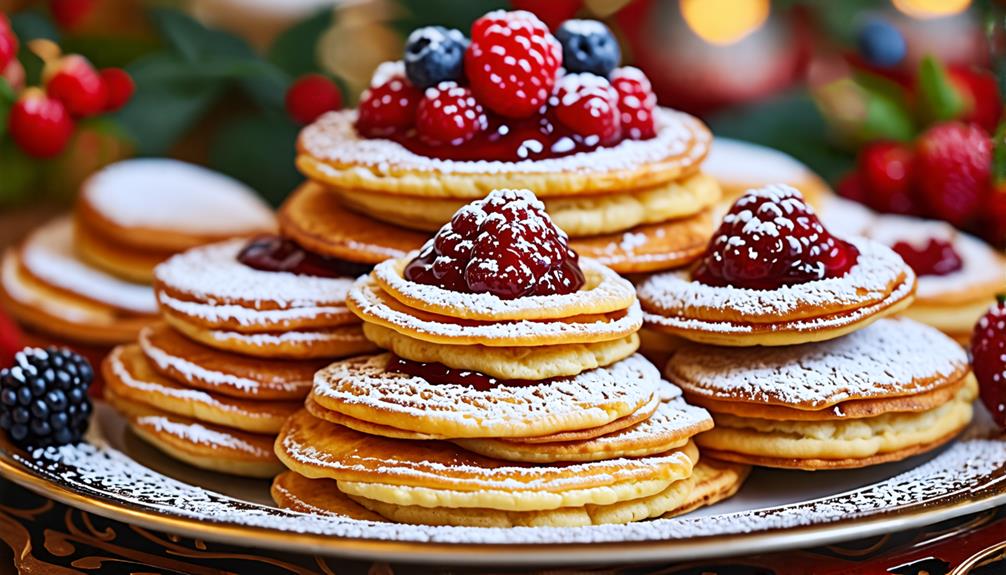
Traditional Russian desserts possess an allure that's hard to resist, drawing people in with their complex flavors and rich history. Each sweet treat, like honey cake or pirozhki, reflects regional ingredients and cultural narratives that resonate deeply within family traditions. The careful balance of textures—from creamy to crunchy—invites curiosity, while the communal rituals surrounding their enjoyment enhance the experience. As one explores these desserts, it becomes clear that their significance extends beyond taste. What secrets lie within these culinary creations that keep generations coming back for more?
Need cookware for your meal? Toolbox, a Pear to Pear rental marketplace, might be worth a look.
Quick Takeaways
- Traditional Russian desserts feature rich flavors and textures, often combining honey, fruits, and creamy fillings to create indulgent experiences.
- Cultural significance and family recipes add emotional depth, making these desserts a connection to heritage and cherished memories.
- Seasonal ingredients enhance desserts, showcasing regional diversity and the natural sweetness of local fruits and berries.
- Unique combinations and textures, like the airy layers of Medovik and the crunch of Tula gingerbread, captivate the taste buds.
- The tradition of pairing desserts with tea fosters a warm, communal atmosphere, enhancing the overall enjoyment of these sweets.
Overview of Russian Desserts
Russian desserts are a vibrant tapestry of flavors and traditions, deeply woven into the fabric of the country's culinary heritage. Traditional Russian sweets aren't only integral to the cuisine but also reflect the diverse social landscape. While wealthier households may enjoy a broader selection of these delights, everyone has access to beloved baked treats.
Home ovens are often filled with the aromas of seasonal fruits and vegetables, as these ingredients play a vital role in enhancing the natural sweetness of desserts. Wild berries like viburnum, mountain ash, raspberry, and currant frequently appear, adding bursts of flavor and color to traditional recipes.
During special occasions, desserts like Kulich—a tall cylindrical cake for Easter—and blini, thin pancakes filled with a variety of delicious fillings, highlight the cultural significance of sweets in Russian celebrations.
These family recipes, often passed down through generations, serve as a reflection of regional influences and seasonal preferences, preserving the rich tapestry of Russian culinary heritage.
With each bite, one can taste the history, love, and dedication that make traditional Russian sweets truly irresistible, inviting everyone to share in the joy of these delectable creations.
Distinctive Features of Honey Cake
The distinctive features of Medovik, or honey cake, make it a standout in Russian desserts.
Its flavorful honey layers and unique textural experience create a moist, tender treat that captures the essence of celebration.
With its cultural significance, Medovik often graces festive occasions, symbolizing warmth and togetherness among family and friends.
Flavorful Honey Layers
With its enticing layers and rich flavors, honey cake, or "Medovik," captures the essence of traditional Russian desserts. This delightful treat features multiple layers of honey-infused sponge cake, harmoniously alternating with creamy fillings made from sour cream or condensed milk. The result is a rich, moist texture that melts in the mouth, inviting everyone to indulge.
The unique flavor profile of honey cake stems from the natural sweetness of honey, perfectly balanced by the slight tanginess of sour cream. This combination creates a taste that's both satisfying and memorable.
To enhance the experience, the cake is traditionally allowed to sit for several hours or even overnight before serving, allowing the layers to meld together beautifully.
Variations of honey cake introduce exciting twists, often incorporating:
- Nuts for added crunch
- Spices like cinnamon for warmth
- Fruit preserves for a fruity kick
- Additional layers for a more decadent dessert
Medovik is often a centerpiece during special occasions and celebrations in Russia, embodying the warmth and hospitality of its culture.
This dessert proves that simple ingredients can create a symphony of flavors that truly delight the senses.
Unique Textural Experience
There's something truly enchanting about the unique textural experience of honey cake, or Medovik, that sets it apart from other desserts. This exquisite cake features multiple thin layers of sponge, each contributing to a delightful contrast of textures.
The honey, which adds moisture, combines beautifully with baking soda, creating an airy consistency that melts in your mouth. Each layer is often brushed with honey syrup, enhancing both moistness and flavor, while the rich, creamy filling—made from sour cream or condensed milk—adds a luxurious touch.
Some recipes elevate the experience further by incorporating crushed nuts or cookies between the layers, introducing a satisfying crunch that balances the softness of the cake.
Traditionally, honey cake is allowed to rest for several hours or overnight, allowing the layers to meld seamlessly. This resting period is essential, as it transforms the cake into a harmonious blend of soft and crunchy elements.
When served, honey cake isn't just a dessert; it's a sensory experience that invites guests to savor each bite, making it a must-have for any gathering.
Cultural Significance in Celebrations
At the heart of Russian celebrations, honey cake, or Medovik, serves as a symbol of warmth and hospitality. This luscious dessert comprises layers of honey-infused sponge and creamy filling, making it a favored indulgence at weddings, birthdays, and festive gatherings.
Its cultural significance in celebrations extends beyond mere taste; it's a cherished tradition that unites families.
- Family Bonds: The cake's preparation often brings together generations, as recipes are lovingly passed down.
- New Year's Traditions: Featured on dessert tables during New Year celebrations, honey cake represents prosperity and sweetness for the year ahead.
- Nostalgic Flavor: The unique combination of honey and subtle spices evokes memories, connecting people to their heritage.
- Symbol of Hospitality: Serving honey cake to guests embodies the quintessential Russian spirit of welcoming and sharing.
Popular Traditional Russian Sweets
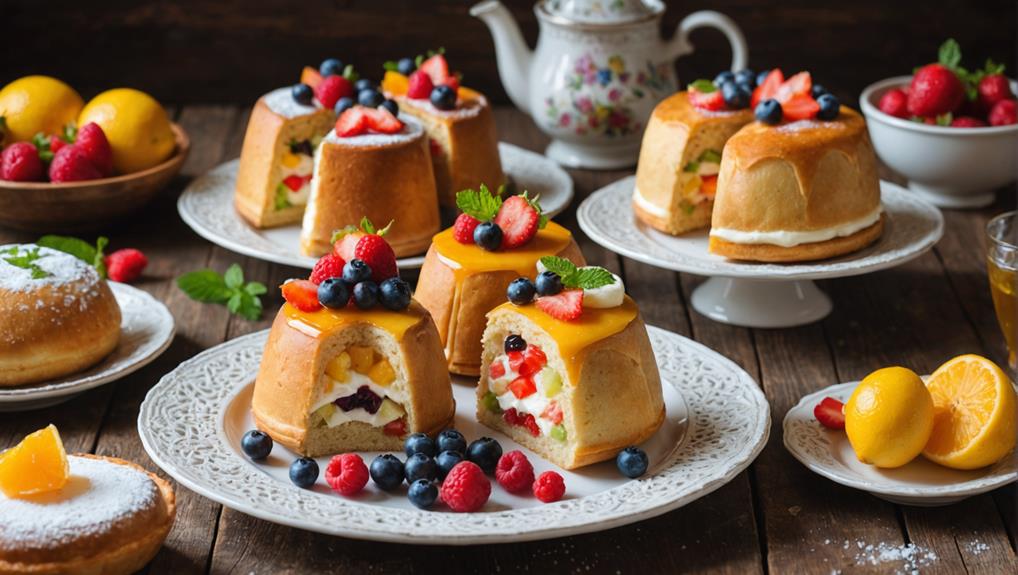
Traditional Russian sweets boast unique flavor combinations and carry deep cultural significance during celebrations.
From the soft, jam-filled Tula gingerbread to the delicate layers of Prague cake, each treat tells a story of its origins and the festivities it accompanies.
These desserts not only satisfy a sweet tooth but also connect generations through cherished recipes and shared moments.
Unique Flavor Combinations
Throughout the rich tapestry of Russian cuisine, unique flavor combinations in sweets stand out, enchanting the taste buds and offering delightful surprises. Each dessert tells a story, highlighting the harmonious blend of ingredients that define traditional Russian sweets.
- Túl'skiy prjanik: This gingerbread treat combines spiced warmth with sweet jam or condensed milk, creating a delightful contrast that warms the heart.
- Pastila: Made from fruit puree, sugar, and egg whites, this airy delight often uses sour apples for a subtle tartness, balancing sweetness with an invigorating twist.
- Ptichie moloko: This luxurious dessert marries rich chocolate with a mousse-like texture, achieved through egg whites, making each bite a velvety experience.
- Chak-chak: A crunchy Tatar sweet, it features fried dough pieces coated in honey, offering a sweet and sticky contrast to its crispy base.
These unique flavor combinations not only satisfy cravings but also invite those who serve them to share a piece of Russian culture, making any gathering feel special and indulgent.
Traditional Russian sweets are truly a feast for the senses.
Cultural Significance in Celebrations
Russian desserts play an essential role in cultural celebrations, bringing people together during significant holidays like New Year, Easter, and Maslenitsa. These sweets symbolize hospitality and festivity, making them central to communal gatherings.
For instance, Kulich, a tall cylindrical cake, is specifically baked for Easter, while delicate blini are enjoyed throughout Maslenitsa, highlighting the seasonal connection of Russian confections.
Family recipes for these traditional desserts are often cherished, passed down through generations, enhancing their cultural significance. They not only preserve familial bonds but also celebrate the rich heritage of Russian cuisine.
Popular sweets like Tula Gingerbread and Pastila serve as tasty treats and symbols of regional identity, with Tula even hosting a museum dedicated to its beloved gingerbread.
The act of sharing these delightful desserts during social events reinforces community ties, showcasing the importance of sweets in Russian culture.
Whether it's a festive gathering or a simple family meal, these desserts create an atmosphere of warmth and togetherness, inviting all to partake in the joy of tradition.
In every bite, one can taste the love and history embedded in these beloved treats.
Regional Variations in Desserts
While exploring the diverse landscape of desserts found across Russia, it becomes clear that regional variations play a crucial role in shaping these sweet treats. Each area boasts its own specialties, influenced by local ingredients, climate, and cultural traditions.
- In northern regions, baked apples warm the heart during long winters, showcasing the abundance of locally grown apples.
- Southern areas, rich in fruit production, celebrate desserts like chak-chak and pastila, reflecting the region's plentiful honey and fruits.
- Unique sweets such as smokva, made from dried figs, illustrate how traditional recipes adapt to local resources, highlighting creativity in dessert-making.
- Regional festivals further emphasize the cultural significance of these sweets, allowing communities to showcase their beloved recipes during national holidays.
These regional variations in desserts not only delight the palate but also tell stories of the land, its people, and their cherished traditions.
From the hearty treats of the north to the fruity delights of the south, each sweet offers a taste of Russia's rich and varied culinary heritage, inviting everyone to indulge in the flavors of different regions.
Health Benefits of Russian Sweets
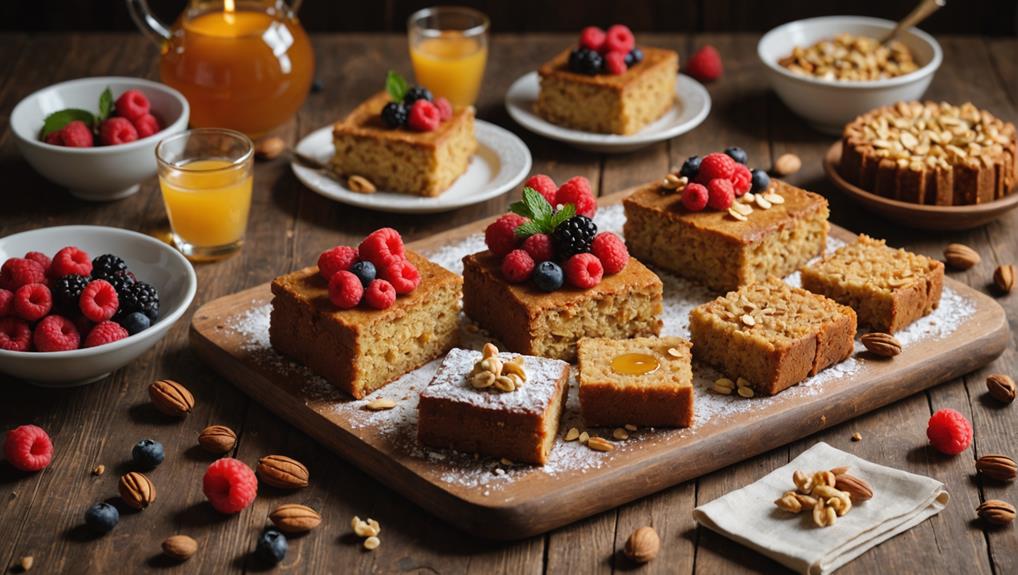
Many traditional sweets offer surprising health benefits that make them more than just delightful indulgences. Russian desserts, like pastila and churchkhela, are crafted from fruit purees and natural sweeteners, delivering essential vitamins and minerals while avoiding excessive sugar. This makes them a smart choice for those looking to enjoy a treat without compromising their health.
Baked apples, a beloved dessert, pack a nutritious punch with their rich iron and potassium content, promoting overall wellness. Similarly, syrniki, made from cottage cheese, provide a high-protein option that can enhance a balanced diet when enjoyed in moderation.
The emphasis on whole ingredients, such as the rye flour used in Tula gingerbread, not only adds fiber but also supports digestive health, setting these Russian desserts apart from heavily processed snacks.
As health-conscious adaptations of traditional recipes gain popularity, more people are discovering nutritious dessert options within Russian cuisine.
Cultural Significance of Honey Cake
Honey cake, or "medovik," holds a cherished place in the hearts of many, symbolizing warmth and hospitality in Russian culture. This beloved dessert often graces family gatherings and celebrations, embodying the spirit of togetherness.
Its rich layers, crafted from honey, flour, and sour cream, create a moist and flavorful treat that generations have enjoyed.
The cultural significance of honey cake extends beyond mere taste; it reflects the artistry and skill of Russian bakers. The intricate layering techniques highlight the dedication that goes into each creation, making it a centerpiece for special occasions.
Medovik's origins date back to ancient Russia, where honey was a prized ingredient, showcasing the importance of natural sweeteners in Slavic cuisine.
- Symbol of hospitality: A must-have at gatherings.
- Generational favorite: Loved across ages.
- Artistic craftsmanship: A manifestation of bakers' skill.
- Visual appeal: Often adorned with crushed nuts or crumbs.
In every slice, honey cake encapsulates the essence of Russian culture, inviting everyone to experience its rich history and delightful flavors.
Serving medovik is a way to share warmth and joy with others.
Pairing Desserts With Tea
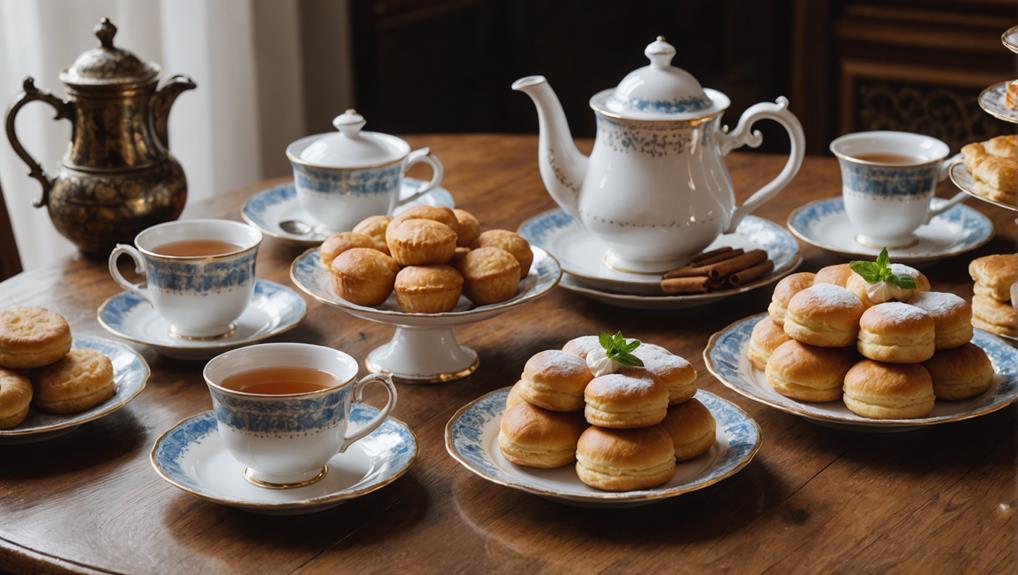
As tea steeps and fills the air with its fragrant warmth, the tradition of pairing it with delightful desserts comes alive in Russian culture. This cherished practice goes beyond mere taste; it embodies the essence of hospitality, turning simple gatherings into memorable occasions.
Popular Russian sweets like zefir, pastila, and Tula gingerbread not only complement the tea's rich flavors but also enhance the entire experience, making the act of serving tea an art form in itself.
During social interactions, especially at celebrations like New Year and Maslenitsa, these sweet treats take center stage, symbolizing joy and unity. The ritual of enjoying a cup of tea accompanied by pastries or cakes is deeply woven into the fabric of daily life, fostering connection among family and friends.
Each dessert carries its own story, inviting guests to indulge in the flavors of tradition while creating lasting memories.
In homes across Russia, the combination of tea and desserts transforms ordinary moments into extraordinary gatherings, reflecting the warmth and generosity of the Russian spirit.
This beautiful tradition continues to thrive, ensuring that every cup shared is steeped in love and connection.
Modern Trends in Russian Desserts
Innovation is reshaping the landscape of Russian desserts, merging cherished traditions with contemporary culinary practices. In urban areas, artisanal and gourmet desserts are making a splash, emphasizing quality ingredients and traditional methods.
Modern trends in Russian desserts are evolving to reflect health-conscious preferences, as many recipes now incorporate less sugar and more wholesome elements like fruits and nuts.
Chefs are also experimenting with traditional recipes, blending them with contemporary techniques. This includes using alternative flours and sweeteners to create innovative versions of classic treats.
Social media is playing a significant role in this transformation, influencing dessert trends with visually stunning presentations and unique flavor combinations that appeal to younger consumers.
Here are some notable modern trends in Russian desserts:
- Increased popularity of gluten-free and vegan options
- Artisanal approaches focusing on high-quality, local ingredients
- The rise of visually appealing desserts shared on social media
- Creative fusion of traditional flavors with contemporary culinary styles
As homemade cookies take on new forms, these trends promise to keep Russian desserts both timeless and exciting for generations to come.
Common Questions
What Is the Most Famous Dessert in Russia?
In Russia, the most famous dessert is Ptichie Moloko. This light, airy mousse-like cake, often draped in chocolate, symbolizes Soviet-era confectionery and delights dessert lovers with its creamy texture and rich flavor, making it unforgettable.
What Is the Most Famous Dessert in Russia?
As the saying goes, "Good things come in small packages." In Russia, Ptichie Moloko, with its airy mousse and chocolate coating, stands out as the most famous dessert, delighting taste buds and warming hearts everywhere.
What Is the National Sweet of Russia?
The national sweet of Russia, Tula Gingerbread, captivates with its unique fillings and intricate floral designs. Dating back to the 9th century, it embodies rich flavors and cultural significance, delighting those who savor it.
What Is Unique About Russian Food?
Rich in robust flavors, Russian food uniquely combines hearty ingredients, seasonal produce, and traditional techniques. Its diverse dishes reflect cultural history, hospitality, and creativity, making it a delightful experience that's sure to satisfy every palate.
Wrapping Up
To sum up, traditional Russian desserts are a sweet symphony of flavors, textures, and stories that resonate with many. Their ability to evoke nostalgia and foster connections makes them truly irresistible. As the saying goes, "a family that eats together, stays together," and these delightful treats play an essential role in bringing loved ones together. As modern trends emerge, the essence of these cherished sweets continues to thrive, ensuring their place at the heart of celebrations for generations to come.