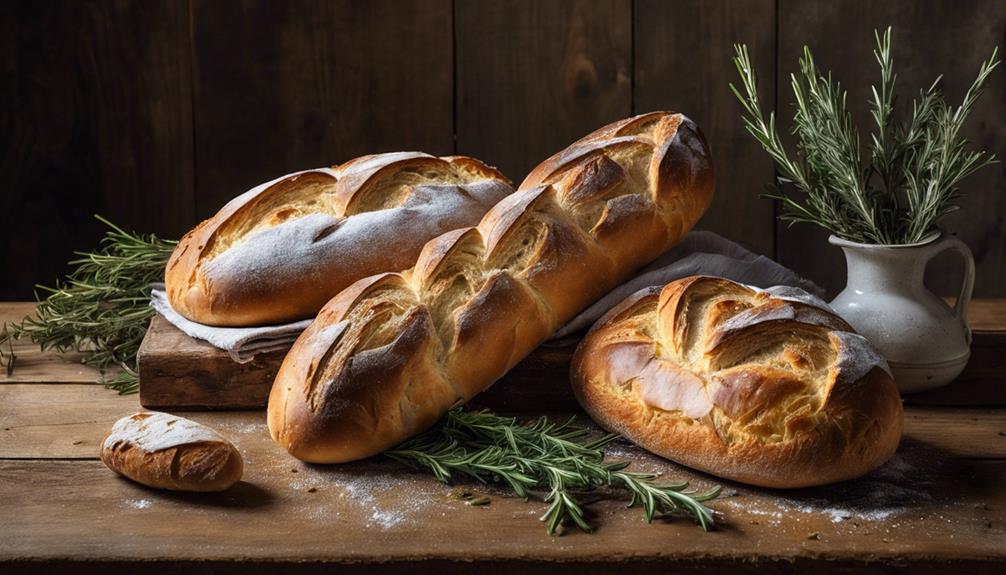
When you think of Belgian cuisine, the rich variety of bread often gets overlooked, yet it holds a special place in the hearts of many. You might find yourself intrigued by the unique textures and flavors of breads like Cramique and Cougnou, each with its own story and purpose. As you explore these classic recipes, you'll discover how they can elevate your meals and even your baking skills. But what makes these breads so exceptional, and how can you master them in your own kitchen?
Need cookware for your meal? Toolbox, a Pear to Pear rental marketplace, might be worth a look.
Quick Takeaways
- Belgian breads like Cramique, Cougnou, and Craquelin offer diverse flavors and textures, perfect for various occasions.
- Cramique is a sweet breakfast bread, ideal for pairing with butter and spreads.
- Cougnou is a festive bread shaped like a swaddled baby, traditionally enjoyed during Christmas.
- Craquelin features pearl sugar, making it a delightful treat with coffee or tea.
Overview of Belgian Bread
Belgian bread offers a delightful array of flavors and textures, inviting you to explore its rich culinary heritage through beloved varieties like Cramique, Cougnou, and Craquelin. Each type tells a story, showcasing the artistry and tradition of Belgian bakers.
Cramique, a sweet breakfast bread, is perfect for slathering with butter or your favorite spreads, making mornings a treat.
Then there's Cougnou, typically shaped like a swaddled baby, which adds a festive touch during Christmas celebrations. Its brioche-like texture makes it a cozy choice for gathering around the table with loved ones.
Finally, Craquelin stands out with its irresistible flavor and aroma, blending the qualities of both bread and pastry. It's often enjoyed alongside a warm cup of coffee or tea, offering a charming accompaniment for afternoon chats.
To achieve these delightful results, bakers employ specific techniques such as proofing and kneading. These methods guarantee that each loaf develops its unique texture, while local variations add to the charm of Belgian bread.
Embracing these beloved varieties opens the door to a world of culinary enjoyment, perfect for serving others.
Traditional Cramique Recipe
When you gather the ingredients for traditional Cramique, you'll notice how simple yet delightful they are, from the white bread flour to the plump raisins.
Understanding the baking techniques is essential, especially the rising time that transforms your dough into a fluffy, golden loaf.
Let's explore the precise measurements and methods that make this sweet Belgian bread a breakfast favorite.
Ingredients and Measurements
For a delightful traditional Cramique, you'll need a careful selection of ingredients that come together to create a rich, sweet breakfast bread.
Start with 430g of white bread flour, the foundation for that perfect texture. Next, measure out 220g of milk; this adds moisture and contributes to the bread's lusciousness. You can't forget about 85g of unsalted butter, which will infuse the Cramique with a velvety richness.
To sweeten the deal, consider adding 250g of raisins. You might choose sultanas for their plumpness or stick with classic seedless varieties, depending on your preference.
For leavening, you'll need either 25g of fresh yeast or 9g of bread machine yeast to guarantee your bread rises beautifully.
If you want to elevate the flavor, a splash of natural vanilla extract can be a perfect optional addition.
With these ingredients, you'll create a loaf that weighs approximately 930g after baking, making it a lovely centerpiece for breakfast or brunch, perfect for sharing with family and friends.
Enjoy the process, and soon you'll have a delightful Cramique to serve!
Baking Techniques Overview
With your ingredients ready, mastering the baking techniques for a traditional Cramique will guarantee that every bite is as delightful as the last.
Start by soaking your raisins in warm water for at least 30 minutes; this step enhances their moisture and integrates their sweetness into the dough. Next, combine the white bread flour, fresh yeast, and optional vanilla extract in a mixing bowl. Gradually add the warm milk and softened unsalted butter while mixing, ensuring the dough comes together smoothly.
Knead the dough on a floured surface until it's elastic and slightly tacky, which usually takes about 10 minutes. After kneading, gently fold in the soaked raisins, ensuring they're evenly distributed. Place the dough in a greased bowl, cover it, and let it rise in a warm spot until doubled in size, typically around 1 hour.
Once risen, shape the dough into a loaf and place it in a greased pan. Brush the top with an egg and milk glaze for a shiny finish. Now, you're ready to bake the Cramique until golden brown.
The result? A fresh, sweet bread that's perfect for sharing!
Making Cougnou Bread
Embracing the festive spirit, making Cougnou bread transforms your kitchen into a warm haven filled with the sweet aroma of brioche and holiday cheer. This delightful bread, often called the 'Bread of Jesus,' symbolizes the nativity and brings families together during the holiday season.
To create this traditional treat, follow these essential steps:
- Prepare the Dough: Combine flour, sugar, yeast, warm milk, eggs, and butter, kneading until the dough is non-sticky.
- Let It Rise: Allow the dough to rise until it doubles in size, creating that light and airy texture characteristic of brioche.
- Shape It: Form the dough into a swaddled baby shape, a nod to its festive symbolism.
- Bake to Perfection: Brush with an egg yolk and milk mixture before baking for a beautiful golden finish.
Cougnou is often enjoyed with coffee or hot chocolate, making it a perfect addition to your holiday gatherings. You can also experiment with variations, adding chocolate or nuts to suit your family's tastes.
Your loved ones will appreciate this heartfelt gesture, bringing warmth and joy to your celebrations.
Delighting in Sugar Bread
When you taste Belgian sugar bread, or Craquelin, you'll discover a unique flavor profile that combines the rich sweetness of pearl sugar with a soft, buttery texture.
This delightful bread pairs perfectly with your favorite tea or coffee, making it an ideal treat for any gathering.
Mastering the baking techniques won't only fill your kitchen with an irresistible aroma but also create a loaf that's sure to impress everyone at the table.
Unique Flavor Profile
Belgian sugar bread, or Craquelin, captivates your senses with its irresistible sweetness and inviting aroma, making it a perfect companion for your coffee or tea breaks. Its unique flavor profile comes from a careful balance of ingredients, with the chilled Belgian pearl sugar playing a starring role. This sugar not only adds a delightful crunch but also contributes to the bread's unique sweetness.
When you prepare Craquelin, consider these essential elements for the best results:
- Use frozen Belgian pearl sugar – This keeps the sugar intact during baking, resulting in a satisfying texture.
- Select high-quality flour – French T45 and T55 flours provide the ideal foundation for that superb flavor.
- Achieve the perfect doneness – Look for a golden brown crust and an internal temperature of 200°F.
- Take your time with proofing – Allowing the dough to rise for several hours enhances the flavor and texture.
Sharing this delectable bread with friends and family will surely delight their taste buds, making every bite a celebration of Belgian culinary tradition. Enjoy the delicate balance of sweetness and warmth that Craquelin brings to your gatherings!
Perfect Pairings
How can you elevate your experience with Craquelin? Pair it with a selection of rich, aromatic coffees or soothing herbal teas to enhance its delightful sweetness and texture. The soft, fluffy loaf, with its deep golden brown crust, is truly irresistible, especially when complemented by the right beverage.
For a delightful contrast, consider serving a whole wheat coffee that adds a nutty flavor, perfectly balancing the sweetness of the Belgian pearl sugar in the bread. Alternatively, a floral herbal tea can provide a calming backdrop, allowing the bread's addictive flavor to shine.
Don't forget to slice the Craquelin while it's still warm; the aroma will fill the room, enticing your guests. As you serve, let them experience the delightful crunch of the pearl sugar topping against the tender bread.
This combination not only satisfies the taste buds but also creates a memorable moment of togetherness. Whether it's a cozy breakfast or an afternoon tea, pairing your Craquelin with these beverages elevates the experience, making every bite and sip a celebration of flavor and comfort. Your guests will appreciate the thoughtful pairing, enhancing their appreciation for this classic Belgian treat.
Baking Techniques
To truly master the art of baking Craquelin, understanding the techniques that bring out its delightful sweetness and texture is key.
Here's a breakdown of essential steps to guarantee your sugar bread is a hit:
- Kneading: Knead the dough for 5-6 minutes with a machine or 6-8 minutes by hand. This develops gluten, giving your bread that perfect structure.
- Proof: After shaping the dough into cylinders, let it proof for 4 hours. This step is vital for a light, airy texture.
- Baking Temperature: Bake your loaves at 350°F for 30-40 minutes, making sure they reach a final internal temperature of 200°F. This creates a soft, fluffy interior with a beautifully golden crust.
- Cooling: Once baked, cool the loaves on a wire rack for 30 minutes. This prevents sogginess and allows the flavors to settle.
The Art of Pain De Mie
Pain De Mie captivates with its soft, tender crust and fine crumb, making it a perfect canvas for your favorite spreads and fillings. This classic Belgian soft bread is characterized by its rich flavor, thanks to the addition of milk, butter, and sugar in the dough.
As you initiate the journey of baking pain de mie, you'll appreciate the long fermentation process that enhances the bread's lightness and complexity. When you shape your dough, using a covered pan is key. This technique keeps moisture locked in, resulting in a beautifully formed square loaf that's not only visually appealing but also easy to slice.
The uniform shape is ideal for creating delightful sandwiches or elegant toast topped with avocado or creamy cheese. While pain de mie is best enjoyed fresh, you can easily preserve its quality by storing it in a bread box or freezing it for later.
Whether you're serving it at brunch or as a comforting snack, this soft bread is sure to impress your guests and elevate any meal. Embrace the art of pain de mie and watch as it transforms your culinary offerings into something truly special.
Savoring Liège Waffles
There's nothing quite like indulging in a warm Liège waffle, with its sweet, caramelized exterior and chewy texture that beckons you to savor every bite. Originating from the city of Liège in Belgium, these yeast-based delights are perfect for handheld enjoyment, allowing you to enjoy them on the go or at a cozy gathering.
To elevate your Liège waffle experience, consider these delightful toppings:
- Whipped Cream – A fluffy dollop adds richness.
- Fresh Fruits – Strawberries, blueberries, or bananas bring freshness.
- Chocolate Drizzle – Melted chocolate enhances the indulgence.
- Nuts – Chopped hazelnuts or almonds add a delightful crunch.
The magic of Liège waffles lies in the pearl sugar that caramelizes during baking, creating a sweet crust that contrasts beautifully with the dense, chewy interior.
Whether you're serving them at a brunch or as a street food treat, these waffles are versatile and sure to impress. So, grab a warm Liège waffle, explore your favorite toppings, and savor the unique blend of flavors and textures that make this Belgian classic a true delight.
Baking a Soft White Loaf
Baking a soft white loaf requires the right ingredients and techniques to achieve a tender, fluffy bread that's perfect for sandwiches or toast.
Start with high-quality white bread flour, as it guarantees a strong gluten structure, giving your loaf that desirable texture. Mix the dough by hand for 8-10 minutes until it's smooth and elastic; this step is vital for developing the gluten.
Once your dough is ready, place it in a warm, draft-free spot to rise until it doubles in size, which usually takes about 1 to 2 hours. After it's risen, shape the dough gently into a loaf and let it proof for an additional 30 to 45 minutes. This final rise helps create that light and airy crumb.
When you're ready to bake, preheat your oven to 375°F (190°C). Bake the loaf for 25-30 minutes until it's a lovely golden brown. For the ultimate check, verify the internal temperature reaches 190°F (88°C) to confirm it's fully baked.
Once it's out of the oven, let it cool slightly before slicing, and enjoy sharing this delightful soft white loaf with friends and family!
Exploring Whole Wheat Bread
When you choose whole wheat bread, you're not just enjoying a delicious loaf; you're also reaping health benefits from its high fiber content.
Baking with whole wheat flour does require some adjustments, like extra hydration and longer kneading, but the denser texture and nutty flavor are well worth the effort.
Let's explore the techniques that will elevate your whole wheat bread baking experience while keeping it nutritious and flavorful.
Health Benefits of Whole Wheat
Exploring the health benefits of whole wheat bread reveals a powerhouse of nutrition that supports your overall well-being. Whole wheat bread isn't just a delicious alternative; it's packed with essential nutrients that can help you and those you serve thrive.
Here are four key benefits:
- Rich in Dietary Fiber: Whole wheat bread is loaded with fiber, promoting digestive health and enhancing feelings of fullness, which can assist in maintaining a healthy weight.
- Lower Risk of Chronic Diseases: Regular consumption of whole grains, like whole wheat bread, is linked to a reduced risk of chronic diseases such as heart disease, type 2 diabetes, and certain cancers.
- Essential Vitamins and Minerals: This bread is a fantastic source of B vitamins, iron, magnesium, and zinc, all vital for various bodily functions and overall health.
- Improved Blood Sugar Control: With its lower glycemic index, whole wheat bread leads to slower rises in blood sugar levels, making it a better choice for those looking to manage blood sugar effectively.
Incorporating whole wheat bread into your meals can greatly benefit your health and that of your loved ones.
Baking Techniques and Tips
To achieve the perfect loaf of whole wheat bread, mastering a few essential techniques can make all the difference in flavor, texture, and overall satisfaction.
Start by adjusting the hydration level; whole wheat flour absorbs more moisture than white flour. Add an extra 5-10% water to your recipe for ideal results.
Incorporating a preferment, like biga or poolish, can elevate the flavor profile, enhancing fermentation. A longer fermentation time, perhaps an overnight rise, allows natural enzymes in the flour to work their magic, breaking down starches and proteins for a richer taste.
When you knead the dough, aim for 8-10 minutes by hand or 5-6 minutes with a mixer. This step is essential for developing gluten strength, which gives your bread structure.
For a lighter crumb, consider blending whole wheat and bread flour in a 50-50 ratio, adjusting as needed.
Crafting Multigrain Boule
Crafting a multigrain boule combines the rich flavors of whole wheat, rye, and white bread flour, creating a deliciously textured loaf that's both nutritious and satisfying. This artisan bread is perfect for serving at gatherings or simply enjoying with family. Here's how to create your own:
- Choose Your Flours: Combine whole wheat, rye, and white bread flour for a balanced flavor.
- Add Nutritional Seeds: Incorporate seeds like sunflower, flax, or oats to enhance the loaf's health benefits.
- Knead the Dough: Mix and knead the ingredients until the dough is smooth and elastic, allowing it to rise until doubled in size for ideal fermentation.
- Shape and Bake: Gently shape the boule, place it in a proofing basket, and bake at 450°F (232°C) for a crusty exterior with a soft, chewy interior.
Once you've mastered this technique, you'll find that your multigrain boule not only satisfies your taste buds but also impresses those you serve.
Enjoy the delightful aroma and warm, hearty texture that makes this bread a staple in any kitchen.
Happy baking!
Enjoying Seasonal Fruit Bread
Seasonal fruit bread bursts with flavor, combining sweet fruits and aromatic spices to create a delightful treat that's perfect for any occasion. Imagine the warm scent of cinnamon and nutmeg wafting through your kitchen as you prepare this delectable loaf. Enriched with raisins, sultanas, or even candied fruits, this bread offers a sweet flavor profile that beautifully complements its soft texture.
The key to achieving that fluffy consistency lies in the proofing process. Allow the dough to rise until it has doubled in size, which guarantees you get that perfect airy crumb.
Once it's ready, you'll want to give your seasonal fruit bread an enticing finish. A simple egg wash brushed over the top before baking will create a shiny, golden crust that beckons everyone to take a slice.
Serve your seasonal fruit bread fresh out of the oven, or toast it for a delightful crunch. Pair it with spreads like creamy butter or rich cream cheese for an indulgent treat.
Whether for breakfast, brunch, or a cozy gathering, this fruit bread is sure to impress your guests and elevate any occasion.
Common Questions
What Can I Add to Bread to Make It More Interesting?
You can add dried fruits, spices, seeds, or herbs to make your bread more interesting. Try incorporating flavored liquids like beer or herbal teas to enhance the taste, creating a delightful experience for everyone you serve.
What Is a Typical Belgian Bread?
A typical Belgian bread you'll adore is Cramique. Its sweet, soft texture and delightful hints of raisins make it perfect for breakfast. Serve it warm with butter for a comforting start to your day.
What Is the Secret to Super Soft Bread?
To achieve super soft bread, you'll want to use enriched dough with butter and eggs, maintain high hydration, knead well, and allow proper fermentation. These steps guarantee a tender, delightful loaf your guests will love.
What Does Belgian Bread Taste Like?
Belgian bread tastes rich and sweet, with hints of butter and sugar. You'll savor its soft, fluffy texture, often enhanced by raisins or pearl sugar, creating a delightful balance of flavors perfect for sharing with friends.
Wrapping Up
As you explore these classic Belgian bread recipes, can you imagine the warm, inviting aroma wafting through your kitchen?
Each loaf, whether sweet or savory, carries a piece of Belgium's culinary heritage.
From the festive Cougnou to the hearty Whole Wheat Bread, these recipes invite you to create cherished moments around the table.
So, grab your apron and let your creativity rise—every bite will be a delightful journey into the heart of Belgian tradition!