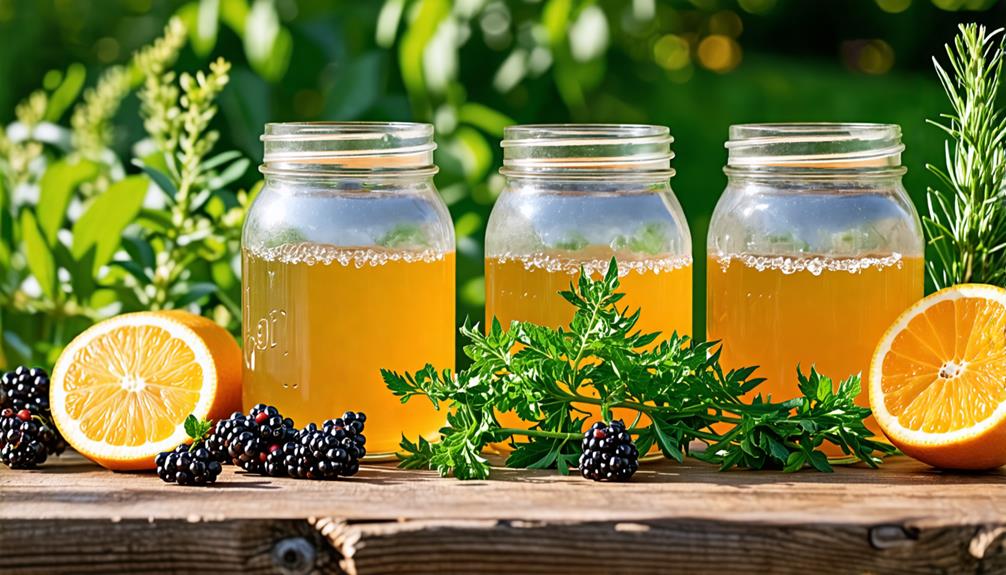
In the bustling kitchens of urban dwellers, fire cider stands as a rustic remedy, bridging tradition and contemporary flavor. This exploration of three modern recipes focuses on the unique herbs from the Pacific Northwest, showcasing how these local ingredients elevate a time-honored tonic. Each recipe offers its own health benefits and flavor profiles, inviting culinary experimentation while addressing wellness. Whether one seeks a tangy twist or an earthy infusion, these combinations promise to intrigue any home chef. What might happen when these local herbs meet the fiery spirit of cider?
Need cookware for your meal? Toolbox, a Pear to Pear rental marketplace, might be worth a look.
Quick Takeaways
- Incorporate local herbs like yarrow and nettle for their health benefits and unique flavors in modern fire cider recipes.
- Blend tart fruits like cranberries and elderberries with Pacific Northwest herbs to enhance both taste and antioxidant content.
- Use raw apple cider vinegar as a base for steeping herbs, fruits, and spices for 2-4 weeks to maximize infusion.
- Sweeten your fire cider with raw honey, balancing the acidity and enhancing the overall flavor profile.
- Explore traditional healing properties by combining ingredients like ginger and cardamom for digestive support and immune health.
Cranberry and Cardamom Fire Cider
Cranberry and Cardamom Fire Cider offers a vibrant twist on the traditional tonic, blending the tartness of fresh cranberries with the warm, aromatic spice of cardamom. This delightful concoction not only tantalizes the taste buds but also supports the immune system, thanks to the rich antioxidants found in cranberries.
Cardamom adds its own health benefits, promoting digestion and reducing inflammation.
To create this potent tonic, one simply mixes fresh cranberries and crushed cardamom pods with apple cider vinegar, allowing the ingredients to steep for 2-4 weeks. This process enhances the flavor profile while maximizing health benefits.
After straining the mixture, adding honey brings a natural sweetness that perfectly balances the tartness of the cranberries and the warmth of the cardamom.
Reflecting the herbal traditions of the Pacific Northwest, this variation of the traditional fire cider recipe employs locally sourced ingredients to promote wellness during the cold months.
Those looking to serve others will find that this spicy, invigorating blend not only nourishes the body but also delights the senses, making it a perfect addition to any gathering or celebration.
Elderberry and Nettle Fire Cider
Building on the foundation of vibrant flavors found in Cranberry and Cardamom Fire Cider, Elderberry and Nettle Fire Cider introduces a unique blend that combines the deep, rich notes of elderberries with the earthy undertones of nettle.
This delightful infusion not only tantalizes the taste buds but also offers a wealth of health benefits.
Elderberries are renowned for their high antioxidant content, particularly vitamin C, making them a powerful ally for immune support and potentially shortening cold and flu symptoms.
Nettle, with its impressive nutrient profile, including vitamins A, C, K, and essential minerals like iron and calcium, complements elderberry beautifully, enhancing vitality and overall wellness.
To create this invigorating fire cider, one simply steeps dried elderberries and nettle leaves in raw apple cider vinegar for several weeks, shaking the jar daily to encourage a thorough infusion.
Once ready, a touch of raw honey sweetens the mix, balancing the tartness of elderberries and the earthiness of nettles while preserving their impressive health benefits.
This Elderberry and Nettle Fire Cider not only promotes respiratory health but also makes a heartfelt gift for loved ones seeking well-being.
Yarrow and Ginger Fire Cider
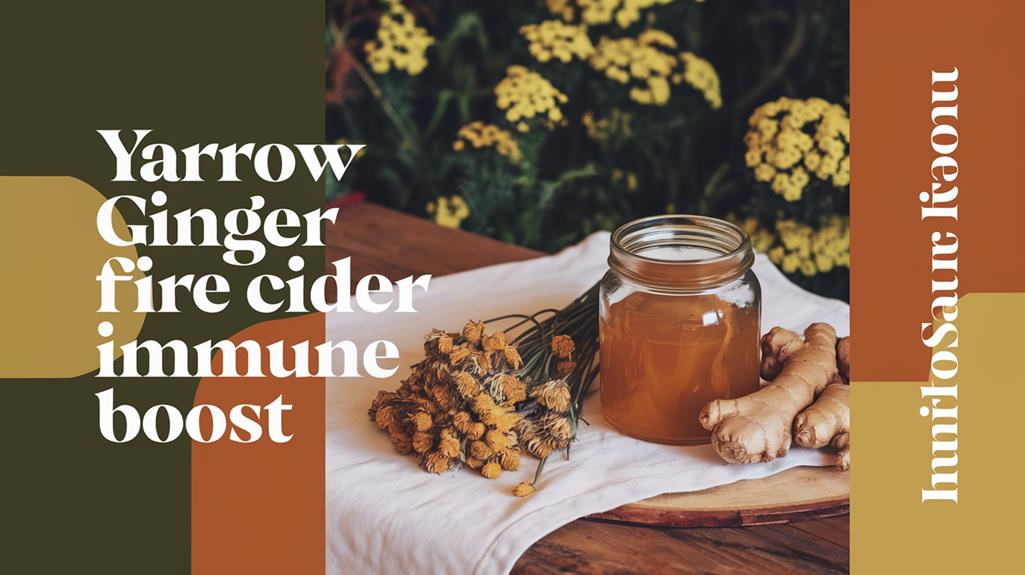
How can a simple infusion of herbs transform your wellness routine? The Yarrow and Ginger Fire Cider is a perfect example of how natural ingredients can enhance health.
Yarrow, a resilient herb commonly found in the Pacific Northwest, is packed with antioxidants and boasts impressive anti-inflammatory and antibacterial properties. Coupled with ginger root, known for its digestive and circulatory benefits, this fire cider offers a powerful tonic for immune support.
To craft this vibrant elixir, an herbalist can combine chopped yarrow leaves and freshly grated ginger root in a jar, covering them with apple cider vinegar. After allowing the mixture to steep for 2-4 weeks, shaking it daily to guarantee a thorough infusion, the result is a bold blend of flavors and health benefits.
Once strained, a touch of honey can be added, striking a delightful balance between the spicy warmth of ginger and the herbal notes of yarrow.
This fire cider not only serves as a flavorful addition to your wellness routine but also embodies the healing traditions rooted in the Pacific Northwest, making it a thoughtful gift for friends and family seeking natural health solutions.
Common Questions
What Is the Shelf Life of Homemade Fire Cider?
The shelf life of homemade fire cider typically spans up to six months when stored in a cool, dark place.
Its natural acidity, primarily from apple cider vinegar, acts as a preservative, curbing harmful bacteria growth.
For enhanced longevity, adding raw honey can further inhibit spoilage.
However, to guarantee peak freshness and potency, it's wise to consume the mixture within three months, checking for any signs of spoilage before use.
Who Should Not Take Fire Cider?
When considering fire cider, it's essential to recognize who shouldn't take it.
Individuals with gastrointestinal issues, allergies to common ingredients, pregnant or breastfeeding women, and those on blood-thinning medications should exercise caution.
Additionally, diabetics need to monitor their blood sugar levels.
Each person's health varies, so it's wise for them to consult a healthcare provider before incorporating fire cider into their routine, ensuring safety and well-being for everyone involved.
What Is a Substitute for Horseradish in Fire Cider?
When looking for a substitute for horseradish in fire cider, one can consider several flavorful options.
Wasabi delivers a similar heat and pungency, while spicy brown mustard adds a tangy kick.
Fresh ginger brings warmth and digestive benefits, though it's milder.
Black radish mimics horseradish's heat and supports liver function.
For a gentler touch, chili peppers or hot sauce can introduce spice, allowing for tailored heat levels to suit individual palates.
What Happened to Fire Cider?
Fire cider's journey took a dramatic turn in recent years, marked by trademark disputes that sparked heated debates among herbalists.
Many rallied to reclaim the term, emphasizing its roots in folk medicine and community knowledge. This collective movement highlighted the importance of preserving traditional remedies while encouraging innovation.
As a result, fire cider recipes flourished, blending local ingredients and reflecting regional herbal practices, ensuring that this beloved remedy remains accessible and vibrant.
Wrapping Up
These three modern fire cider recipes, bursting with the vibrant flavors of the Pacific Northwest, promise to invigorate both body and spirit. Each blend, like a cozy embrace on a chilly day, offers unique health benefits, from immune support to digestive relief. Whether it's the tartness of cranberry, the earthy depth of nettle, or the warming zest of ginger, these fire ciders invite anyone to explore a world of wellness and flavor, one sip at a time.