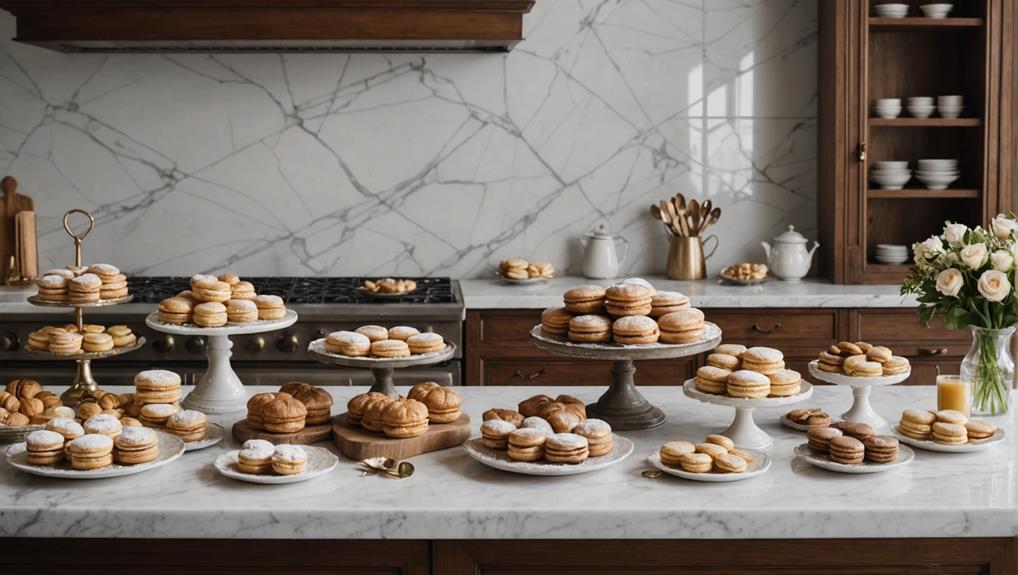
You might think learning classic French pastry techniques is just for professional chefs, but that's far from the truth. These timeless skills can elevate your home baking, giving you a deeper understanding of how ingredients work together and how precision impacts flavor and texture. As you master techniques like pâte à choux and pâte brisée, you'll find not only improved results but also a newfound confidence to experiment and create. What you discover about the science of pastry could transform your approach to baking entirely.
Need cookware for your meal? Toolbox, a Pear to Pear rental marketplace, might be worth a look.
Quick Takeaways
- Mastering classic French pastry techniques elevates your baking skills and allows for creative innovations in dessert-making.
- Understanding various doughs, like pâte à choux and pâte brisée, enhances your ability to create diverse pastries.
- Using high-quality ingredients ensures richer flavors and improved textures in your pastry creations.
- Precision in measurements and techniques is crucial for consistent, successful baking results.
Understanding Classic Doughs
Mastering classic French doughs like pâte à choux, pâte brisée, and pâte sucrée is essential for elevating your pastry skills and revealing a world of delectable creations. Each dough brings its own unique qualities to the table, allowing you to craft an array of pastries that will impress your friends and family.
Pâte à choux, with its light and airy texture, is the foundation for iconic treats like éclairs and profiteroles. By cooking a mixture of butter, water, and flour before incorporating eggs, you create a dough that puffs beautifully in the oven.
On the other hand, pâte brisée is your go-to for flaky crusts. Using cold butter and minimal handling, this shortcrust pastry provides the perfect base for tarts and quiches, ensuring a delightful crunch with every bite.
Pâte sucrée takes sweet indulgence to a new level by adding sugar and eggs, resulting in a rich, tender dough ideal for dessert tarts.
As a budding pastry chef, understanding these classic French pastry foundations is vital for both mastering traditional recipes and exploring your own creative innovations.
Importance of Quality Ingredients
The magic of French pastry not only lies in mastering classic doughs but also in selecting high-quality ingredients that elevate each creation to a work of art. When you choose premium butter and flour, you're not just adding texture; you're enhancing flavor and richness. High-quality butter, with its creamy depth, transforms pâte brisée and pâte feuilletée into sublime experiences, while the right flour—particularly pastry flour—ensures the perfect balance of tenderness and structure.
Fresh eggs are another cornerstone of your culinary masterpieces. Opting for free-range or organic eggs infuses your pastries with vibrant flavor and contributes to their airy rise, making macarons and soufflés truly unforgettable. Remember, the quality of sugar matters too; using organic cane sugar not only sweetens but also enriches the color and texture of your desserts.
Investing in quality ingredients pays off immensely, resulting in pastries that burst with flavor and charm. When you serve these delightful creations, you share more than dessert; you offer a taste of passion and dedication, showcasing the beauty of French patisserie. Embrace the importance of these ingredients, and watch your baking flourish!
Mastering Precision in Baking
To craft perfect French pastries, you can't overlook the power of precise measurements.
Each ingredient plays a crucial role, and even slight inaccuracies can alter your creation's texture and flavor.
Importance of Accurate Measurements
In the world of French pastry, precision is your best ally, as even the slightest miscalculation can alter the texture and flavor of your creations.
Accurate measurement is essential; weighing your ingredients guarantees you're sticking to the precise ratios that define each recipe. For instance, the sugar-to-egg white ratio in meringue is significant for achieving that perfect stability and volume—too much or too little can result in a disappointing outcome.
Consistency in your measurements will help you replicate success every time you step into the kitchen. This reproducibility is important, especially when you're serving others and want to impress them with your skills.
Don't overlook the importance of oven temperature, either; using a thermometer to monitor it closely can mean the difference between underbaked and overbaked pastries.
Mastering precision in techniques like folding and whipping also plays a key role. If you prefer a light, airy pastry, improper execution can lead to dense textures that don't meet your high standards.
Consistency Through Precision Techniques
Mastering precision techniques transforms your baking journey, guaranteeing every pastry you create achieves the ideal balance of texture and flavor. When you embrace accurate measurement of ingredients with a kitchen scale, you lay the foundation for consistency. Even the slightest deviation can turn a delicate pastry into a dense, disappointing treat.
Techniques matter immensely in the pursuit of perfection. Whether you're folding, creaming, or whipping, each action must be executed with precision to develop that coveted lightness and airiness. This is what elevates your pastries from ordinary to extraordinary, impressing those you serve.
Resting doughs, like pâte brisée, allows gluten to relax, enhancing flakiness and creating a consistent texture that delights the palate. Additionally, adhering to precise timing and temperature guidelines during processes like chocolate tempering is crucial for achieving a glossy finish and stable texture.
Incorporating these precision techniques into your baking repertoire not only refines your skills but also guarantees that every pastry you present is a reflection of your dedication and passion for the craft. When you master consistency through precision, you're not just baking—you're creating lasting memories for those who enjoy your creations.
Monitoring Oven Temperatures
Accurate monitoring of oven temperatures is vital for achieving perfectly baked pastries, guaranteeing that each creation rises beautifully and develops the right texture and flavor. A reliable oven thermometer is your best friend here; many built-in thermostats can lie, leading to disastrous results. Trust the thermometer to verify the true oven temperature, and you'll avoid the pitfalls of undercooked or overcooked pastries.
Preheating your oven for at least 20-30 minutes is essential. This step allows the oven to reach the desired temperature, setting the stage for even baking. Remember, different pastries have their preferences; for instance, puff pastry bakes best at higher temperatures, around 200°C (400°F), which is key for achieving that delightful puff.
As you bake, don't forget to rotate your trays halfway through the process. This simple action counters any hot spots and guarantees that each pastry receives the same loving attention, resulting in perfect browning and cooking.
Essential Techniques for Beginners
To create stunning French pastries, you'll often rely on fundamental techniques like mastering pâte brisée and pâte à choux, which serve as the cornerstone for countless delectable desserts. These foundational skills not only elevate your baking but also guarantee you impress your guests with every bite.
Start with pâte brisée, a buttery pastry dough that requires precise measurements. It's essential to weigh your ingredients accurately, as even minor deviations can drastically affect texture and flavor. Attention to detail here results in a perfectly tender crust that crumbles beautifully in the mouth.
Next, immerse yourself in pâte à choux, which is crucial for éclairs and cream puffs. Understanding the lamination process in pâte feuilletée will give you the ability to create those light, flaky layers that leave everyone wanting more.
Techniques like folding and whipping are vital, as they incorporate air into mixtures, contributing to the lightness of pastries like soufflés and meringues.
Exploring Pastry Creativity
You've mastered the fundamentals of classic French pastry, and now it's time to release your creativity.
Experimenting with bold flavors and innovative textures can transform traditional recipes into something uniquely yours, whether it's a lavender-infused éclair or a cardamom-orange croissant.
Embracing Flavor Experimentation
Embracing flavor experimentation invites pastry chefs to push the boundaries of tradition, transforming classic confections into innovative culinary experiences that tantalize the palate.
Imagine infusing warm, flaky croissants with unexpected notes of cardamom or matcha, creating a delightful twist on delicious French pastries. By combining traditional techniques with modern flavors—like lavender cream in macarons—you elevate the sensory experience, appealing to a diverse clientele enthusiastic for something new.
Don't shy away from a culinary adventure; experiment with different flavors and textures to create harmonious desserts. Consider adding a crunchy element to creamy pastries, enhancing both mouthfeel and visual appeal.
Seasonal and locally sourced ingredients are your allies in this quest, allowing you to adapt recipes based on what's fresh and available, resulting in unique and vibrant flavor profiles.
Engaging with culinary communities and following innovative pastry chefs on social media can spark new ideas, encouraging collaboration and inspiration.
As you embrace this journey of flavor experimentation, you'll discover that the possibilities are endless, and your creations won't only satisfy but also surprise and delight those fortunate enough to indulge in your masterpieces.
Innovative Textural Combinations
Innovative textural combinations can transform familiar pastries into extraordinary experiences, inviting you to explore the interplay of crispness and creaminess that captivates the senses. By mastering these techniques, you can elevate your creations and delight those you serve. Here are some ideas to inspire your pastry journey:
- Layered Creams: Combine rich pastry cream with light, airy whipped cream to create a delightful contrast that dances on the palate.
- Crispy Elements: Pair a crunchy praline with a smooth chocolate ganache, adding dimension that surprises and entices.
- Texture Infusion: Experiment with lavender-infused crème brûlée topped with a caramelized sugar crust, honoring classic flavors with a unique twist.
- Contrasting Textures: Use the flakiness of pâtes sucrées to cradle a silky custard filling, providing a satisfying mouthfeel and an unforgettable dining experience.
Embracing these innovative textural combinations lets you break away from tradition while still respecting classic foundations. Your pastries won't only please the eye but also create lasting memories for those lucky enough to indulge in your creations.
Personalizing Classic Recipes
Personalizing classic recipes lets you infuse your own signature flavors into beloved pastries, transforming them into unique creations that reflect your culinary identity.
Imagine adding a hint of lavender to your macarons or a swirl of matcha through a delicate croissant—these unique flavors breathe new life into traditional treats.
Experimenting with textures can elevate your pastries, too. Picture a crispy layer enveloping a rich, creamy filling—this balance honors the classic while introducing an exciting twist.
Seasonal ingredients like fresh berries or zesty citrus not only enhance flavor profiles but also keep your creations relevant and appealing to today's discerning palate.
Don't shy away from dietary adaptations. By crafting gluten-free versions of your favorite recipes, you widen your audience and guarantee everyone can indulge without sacrificing taste or presentation.
The Science Behind Pastry
How do the intricate interactions among flour, sugar, fats, and liquids come together to create the delightful textures and flavors of classic French pastries? Understanding the science behind these ingredients is essential for any passionate baker. Here's what you need to know:
- Flour: The backbone of pastries, different flours contribute varying levels of protein, affecting gluten development. You want the right balance for texture.
- Temperature Control: Keeping butter cold in doughs like pâte brisée guarantees a flaky pastry. Conversely, precise heat is critical for caramelizing sugars and enhancing flavor.
- Gluten Development: Overworking dough can create toughness. Allowing the dough to rest promotes relaxation, resulting in a tender, flaky texture.
- Emulsification: In mixtures like ganache and buttercream, a balanced ratio of fat to liquid prevents separation, leading to smooth, luscious finishes.
When you master these elements, you're not just baking; you're creating a symphony of flavors and textures that can delight anyone who tastes your work.
The science behind pastry is an art form, and your understanding of it will elevate your creations to new heights, leaving your guests enthusiastic for more.
Modern Applications of Classic Techniques
Mastering classic French pastry techniques empowers you to transform traditional desserts into modern masterpieces, infusing them with unexpected flavors and contemporary twists.
Imagine incorporating matcha into delicate macarons, or elevating your pâte à choux by crafting savory pastries filled with herbs and cheese. These adaptations showcase the versatility of classic methods, allowing you to surprise and delight your guests.
Understanding lamination in puff pastry opens doors to innovative creations. You can experiment with fillings and shapes, creating croissant sandwiches or enticing filled pastries that redefine expectations.
Classic meringue techniques serve as a solid foundation for crafting modern delights, like deconstructed pavlovas or multi-layered mousses that impress with both flavor and presentation.
The precision required in classic techniques, particularly in tempering chocolate, guarantees your modern desserts aren't only visually stunning but also stable and flavorful.
This attention to detail elevates your culinary creations, making them worthy of celebration. By embracing these classic French techniques, you're not just baking; you're crafting a memorable experience for those you serve, marrying tradition with modernity in every bite.
Common Questions
Why Are French Pastries Important?
French pastries are crucial because they teach you essential techniques, precision, and creativity. Mastering them elevates your baking skills, enabling you to craft exquisite desserts that delight and impress those you serve.
What Is Classic French Pastry?
Classic French pastry is an art form, showcasing precise techniques and high-quality ingredients. You'll create delightful desserts like croissants and éclairs, blending tradition with innovation, while mastering the balance of flavor, texture, and presentation.
What Makes French Pastries Unique and Notable From the Rest of Desserts?
French pastries stand out due to their precise techniques, high-quality ingredients, and exquisite presentation. You'll appreciate the balance of flavors and textures, transforming simple desserts into extraordinary experiences that delight both the eyes and palate.
Why Is It Crucial for Culinary Chefs to Have Baking and Pastry Skills?
Having baking and pastry skills isn't just beneficial; it's essential. These techniques empower you to create stunning desserts, enhance your culinary versatility, and elevate dining experiences, truly delighting those you serve with every bite.
Wrapping Up
By mastering classic French pastry techniques, you're not just baking; you're wielding a magic wand that transforms simple ingredients into heavenly creations!
Imagine the thrill of crafting perfect éclairs that could make angels weep or buttery tart crusts so divine they could spark culinary revolutions. Each skill you acquire is a ticket to a world where your pastries shine brighter than the stars.
So, immerse yourself in this delicious journey and release your inner pastry artist—your taste buds will thank you!