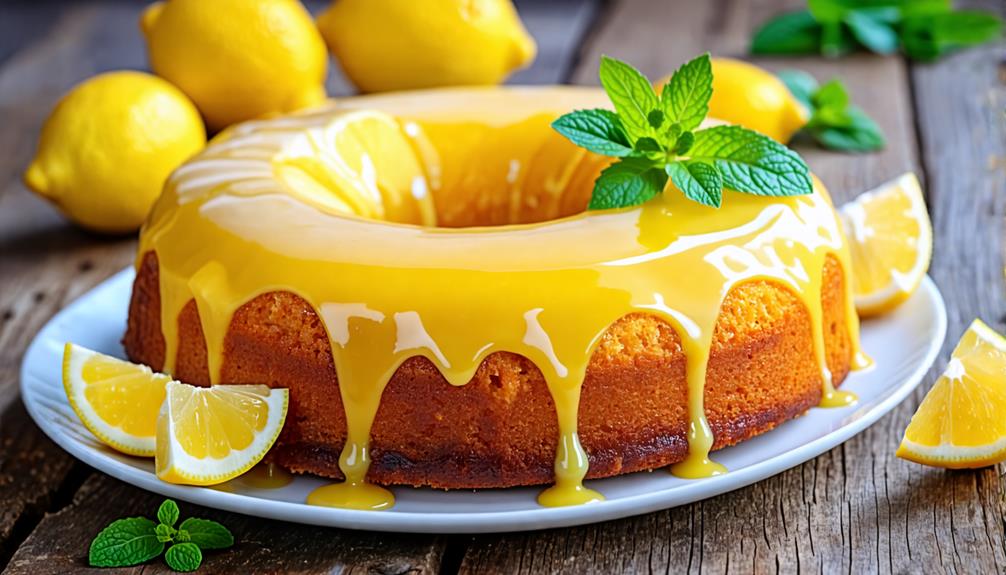
When you're aiming for the perfect lemon drizzle cake, attention to detail can make all the difference. You'll want to start with precise measurements and high-quality lemons to really capture that zesty flavor. Preheating your oven properly and mixing your ingredients thoroughly are vital steps that shouldn't be overlooked. Each of these elements contributes to achieving that light, moist texture everyone loves. But what about the little tweaks and common pitfalls that can turn your cake from good to exceptional? Let's explore these essential tips further.
Need cookware for your meal? Toolbox, a Pear to Pear rental marketplace, might be worth a look.
Things to Note
- Measure ingredients accurately to ensure consistency and achieve the desired texture in your lemon drizzle cake.
- Use unwaxed, fresh lemons for maximum flavor and zest; they enhance the cake's citrus profile.
- Preheat your oven properly to 180°C for even baking and optimal cake rise.
- Drizzle lemon syrup over the cake while it's warm to maximize flavor absorption and improve texture.
Measure Ingredients Accurately
To guarantee your lemon drizzle cake turns out perfectly, measure your ingredients accurately by using a digital kitchen scale for precise results. This guarantees consistency in your baking, allowing you to serve a delightful treat to your guests.
When measuring flour, spoon it gently into the measuring cup and level it off with a knife. Avoid packing it down, as this can lead to using too much flour, which affects the cake's texture.
For liquid ingredients like lemon juice or melted butter, use a clear measuring jug marked with measurements to guarantee you're using precise amounts.
When it comes to eggs, weigh them in their shells; you'll need about 250g for three medium eggs. This accuracy helps achieve the right balance in your cake.
Use Quality Lemons
When you're making lemon drizzle cake, using quality lemons is key.
Go for unwaxed, fresh lemons that are firm and heavy; they'll give your cake the juiciest flavor and zest.
Choose Unwaxed Lemons
Choosing unwaxed lemons elevates the flavor of your lemon drizzle cake by allowing the essential oils to shine through. When you opt for unwaxed lemons, you're guaranteeing better flavor extraction, which is key to achieving that delightful lemon zest you want in your cake. These lemons are typically more fragrant, providing a vibrant taste that will make your dessert truly memorable.
To guarantee you're selecting quality unwaxed lemons, look for fresh, firm options with a bright yellow color. This will indicate maximum juice content, essential for a moist cake.
If possible, go for organic unwaxed lemons. Not only do they enhance flavor, but they're also less likely to contain pesticide residues that could affect the overall taste of your creation.
Freshness Matters Most
Fresh, high-quality lemons are key to achieving the vibrant flavor that makes your lemon drizzle cake truly stand out. When you're baking, using fresh lemons is essential. They yield more juice and offer a stronger flavor profile, ensuring that every bite bursts with citrus goodness. Look for juicy fruits that are firm and have a bright yellow color, as these are likely to enhance your cake's taste.
Don't forget the lemon zest! Grating the zest from three unwaxed lemons adds a delightful zesty punch that beautifully complements the sweetness of your cake. Since unwaxed lemons allow you to easily grate the zest, you won't have to worry about any waxy residue interfering with that vibrant flavor.
To maintain the freshness of your lemons, store them at room temperature. This simple step helps retain their juiciness, maximizing their flavor for your baking endeavors.
Preheat Your Oven Properly
Properly preheating your oven to 180°C (or 160°C for fan-assisted) is vital for achieving that perfect lemon drizzle cake with an even bake and a golden crust. Take at least 10-15 minutes to let your oven reach the desired temperature before placing your cake inside. This stability is essential for ideal rising, ensuring your cake turns out light and fluffy.
Using an oven thermometer can help you verify that your oven is accurately calibrated since many home ovens can be off by several degrees. Once your preheated oven is ready, be sure to place your cake in the center of the oven. This positioning allows for the best air circulation, which contributes to an even bake and prevents the outside from browning too quickly.
While baking, it's important to avoid opening the oven door frequently. Doing so can cause temperature fluctuations, leading to an uneven rise or even sinking of the cake.
Keeping these tips in mind will help you serve a beautifully baked lemon drizzle cake that will impress your family and friends. Enjoy the delightful aroma as it fills your kitchen!
Mix Ingredients Correctly
When you mix your ingredients, precision is key, so measure everything accurately.
Don't forget to incorporate the lemon zest effectively for that burst of flavor, and make sure to beat the mixture thoroughly for a light texture.
Getting these steps right will set you up for a delicious lemon drizzle cake!
Measure Ingredients Precisely
How can you guarantee your lemon drizzle cake turns out perfectly?
Start by measuring your ingredients precisely for the best results. Accurate measurements are vital to achieving that light, fluffy texture everyone loves.
Here are four essential tips to help you measure like a pro:
- Weigh Ingredients: Use a kitchen scale to weigh ingredients such as butter, sugar, and self-raising flour. Aim for equal weights—about 170g each for a balanced cake.
- Eggs Matter: Weigh your eggs in their shells. About 250g typically equals 5 medium eggs, ensuring the right moisture and structure.
- Flour Technique: When measuring self-raising flour, spoon it into the measuring cup and level it off with a knife. This prevents packing, which can lead to a denser cake.
- Sift and Sweeten: Always sift your self-raising flour to aerate it. For a touch of flavor, consider using golden caster sugar, but remember that standard white caster sugar will dissolve more easily for a smoother texture.
Incorporate Zest Effectively
After measuring your ingredients with precision, it's time to incorporate the zest effectively for an unforgettable lemon drizzle cake.
Start by using unwaxed lemons; they'll guarantee your lemon zest is free from any waxy coatings that can dull the flavor. Grate the zest of three lemons and add it to your butter and sugar mixture before you cream the butter. This step allows the citrus oils to infuse into the batter, enhancing its flavor profile and giving your cake a delightful zesty kick.
When you cream the butter and sugar together, make certain the lemon zest is evenly distributed throughout. This helps avoid concentrated pockets of flavor, making sure that every bite is as invigorating as the last.
Once you've added the zest, mix until you achieve a smooth batter. A well-combined batter indicates that you've incorporated the ingredients correctly without overworking the gluten in the flour.
Beat Mixture Thoroughly
Beating the mixture thoroughly is vital for achieving a light and airy lemon drizzle cake. Start by making sure all your ingredients are at room temperature. This helps create the perfect texture.
Here's how to get it right:
- Beat butter and sugar together: Mix until the mixture is light and fluffy, about 3-5 minutes. This step is essential for incorporating air into your batter.
- Add eggs one at a time: Beat well after each addition to fully integrate them. This prevents curdling and guarantees a smooth batter.
- Fold in self-raising flour: Gently add the flour and lemon zest to the mixture, being careful not to overmix. Overmixing can develop gluten, leading to a denser cake.
- Scrape down the sides: Use a spatula regularly to make sure all ingredients are evenly combined. This assures a consistent batter, key for a perfect bake.
Ensure Proper Baking Time
To guarantee your lemon drizzle cake bakes perfectly, stick to a baking time of 50 to 65 minutes, adjusting based on the size of your loaf tin. If you're using a smaller tin, it might require less time, while a larger tin could need the full duration. Always preheat the oven to 160°C (fan) or 180°C (conventional) before you start; this guarantees even baking throughout.
As the baking time progresses, keep an eye on the cake. You'll know it's getting close when you notice a light golden color on the top and edges. The surface should feel firm and even, without any wobble when touched.
If you see the cake browning too quickly, don't hesitate to cover it loosely with aluminum foil midway through baking. This can help prevent over-browning while allowing the cake to bake thoroughly.
Check for Doneness
When you're checking for doneness, keep an eye on visual cues like a light golden color and a firm surface.
Use the skewer test by inserting it into the center; if it comes out clean or with just a few crumbs, you're good to go.
Don't forget to adjust your baking time based on the size of your tin, as this can make a big difference in the final result.
Visual Cues for Readiness
Checking for visual cues is essential to guarantee your lemon drizzle cake is perfectly baked and ready to enjoy. Here are four key indicators to look for:
- Light Golden Color: The surface of your cake should have a lovely, light golden hue, signaling that it's baked to perfection.
- Even Surface: Check for an even surface; any wobbling or sinking means it likely needs more baking time.
- Firm Texture: Gently press the center of the cake. It should spring back without leaving an indentation, indicating a firm texture.
- Skewer Comes Out Clean: Insert a skewer into the thickest part of the cake. It should come out clean or with a few moist crumbs attached, confirming that the cake is baked all the way through.
Once you've confirmed these visual cues, allow the cake to cool before serving. This step is vital for letting the flavors settle and ensuring a delightful experience for your guests.
Skewer Test Method
After confirming those visual cues, the skewer test is your next step to verify your lemon drizzle cake is fully baked. To perform the skewer test, insert a thin skewer into the center of the cake. If it comes out with clean or moist crumbs, your cake is ready. However, if you see wet batter, the cake needs additional baking time. Return it to the oven and check again in 5-minute intervals.
Keep in mind that the ideal baking time for lemon drizzle cake is usually between 50 to 60 minutes, depending on your loaf tin size. To achieve the best results, avoid opening the oven door too frequently during this time, as it may cause the cake to sink. Wait until the minimum baking time has passed before checking.
Once the skewer indicates doneness, remember to let the cake cool for about 10 minutes in the tin. This cooling period helps the cake set properly, making it easier to remove from the tin without collapsing.
Following these steps verifies a delightful lemon drizzle cake that you'll be proud to serve to others!
Adjusting Baking Time
To guarantee your lemon drizzle cake is perfectly baked, keep an eye on the time and use the skewer test for precise doneness. Here's how to adjust your baking time effectively:
- Preheat your oven to 180C (160C fan) and set your baking time for 50-60 minutes. Remember, larger loaf tins might need up to 65 minutes.
- As the cake bakes, look for a light golden color on the surface, which indicates it's nearing readiness.
- When you're close to the end of the baking time, check for doneness by inserting a skewer into the center. It should come out clean or with just a few moist crumbs.
- If your cake starts browning too quickly, cover it loosely with foil midway through to prevent over-browning and ascertain it cooks through.
Once baked, allow your cake to cool in the tin for about 5-10 minutes.
This step helps the syrup absorb more effectively into the warm sponge, enhancing its flavor before you serve it to your guests.
Enjoy sharing your perfect lemon drizzle cake!
Drizzle While Warm
Drizzling the lemon syrup while the cake's still warm guarantees it absorbs maximum flavor and moisture. As soon as you take your cake out of the oven, let it rest in the tin for just a few minutes. This brief pause helps to prevent crumbling when you apply the syrup.
Next, use a skewer to poke holes in the top of the cake. These holes allow the lemon juice and icing mixture to penetrate deeper, ensuring that the syrupy consistency soaks into the warm sponge evenly. The key is to drizzle immediately after removing the cake from the oven. This technique not only enhances the flavor but also gives your lemon drizzle cake that signature glossy finish.
Pour the syrup over the cake generously, letting it cascade down the sides. The warm cake will absorb the sweet-tart syrup, creating a delightful contrast in texture and taste. This method results in a moist, flavorful treat that your guests will love. Trust me, they won't be able to resist a slice of your perfectly drizzled lemon drizzle cake!
Store Correctly
Storing your lemon drizzle cake correctly is essential for keeping it moist and flavorful. Here are some tips to guarantee your cake stays delicious for as long as possible:
- Room Temperature: Store your lemon drizzle cake in an airtight container at room temperature. This helps maintain its moisture and flavor for up to 5 days.
- Avoid Refrigerating: Resist the urge to refrigerate the cake. Refrigerating can cause the crumb to lose its tenderness over time, leading to a less enjoyable experience when serving others.
- Freezing for Longer Storage: If you want to keep the cake longer, wrap it in greaseproof paper and then in plastic wrap before freezing. It can last for up to 3 months in the freezer without suffering from freezer burn.
- Defrosting Properly: When you're ready to enjoy your cake again, place the wrapped cake at room temperature to defrost. This gradual thawing will help retain its moisture, guaranteeing every bite is as delightful as the first.
Experiment With Flavors
Experimenting with flavors can elevate your lemon drizzle cake, making it a delightful treat that surprises and pleases your taste buds. One simple way to enhance the citrus experience is by substituting some of the lemon juice with orange juice. This creates a lovely citrus blend that adds depth to the flavor profile.
For a burst of sweetness, consider folding in a cup of fresh blueberries; they pair beautifully with the tartness of the lemon. You can also sprinkle in 2-3 tablespoons of poppy seeds, which not only improve the texture but also add a charming visual appeal.
To achieve a moist cake while keeping that zesty flavor, try using half butter and half oil—125g each will do the trick. Finally, for an indulgent twist, swirl in some melted white chocolate into the batter. This rich addition creates a creamy contrast to the citrus notes, making each bite even more enjoyable.
Troubleshoot Common Issues
Even with all the flavor experimentation, you might encounter some common issues while baking your lemon drizzle cake that can affect its final outcome. Here are a few troubleshooting tips to keep in mind:
- Cake Sinking: If your cake sinks in the middle, it's likely underbaked. Always perform the clean skewer test before removing it from the oven to verify it's fully cooked.
- Oven Temperature: Rapid temperature changes can lead to cracks on the top. Consider lowering the oven temperature slightly or covering the cake with foil to prevent over-browning.
- Dense Texture: To avoid a dense texture, be cautious not to overmix the batter after adding the flour. Overmixing can develop gluten, making your cake heavy.
- Lemon Drizzle Topping: If your cake is too moist after drizzling, check that you applied the syrup while the cake was warm and confirm you followed the correct baking time for thorough cooking.
Frequently Asked Questions
How Do You Keep a Lemon Drizzle Cake From Sinking?
To keep your lemon drizzle cake from sinking, start by ensuring all your ingredients are at room temperature. This helps create a lighter batter.
When mixing, don't overdo it; just combine until smooth to avoid excess gluten.
Measure your flour accurately, as incorrect ratios can lead to issues.
Why Is My Lemon Drizzle Cake Raw in the Middle?
If your lemon drizzle cake's raw in the middle, you mightn't have baked it long enough or at the right temperature.
Check your oven's accuracy; a fan oven should stay at 160°C (320°F).
Use a skewer to test doneness—if it comes out wet, it needs more time.
Also, make sure your batter isn't too thick and that you're mixing it properly for even cooking.
Patience is key here!
What's the Best Way to Drizzle Icing Over a Cake?
Drizzling icing over a cake is like painting a masterpiece; it transforms the ordinary into the extraordinary.
Start by pouring the warm icing from the center, letting it cascade down the sides like a gentle waterfall.
If you want a richer flavor, poke holes in the cake first, inviting the icing to seep in.
For a glossy finish, mix icing sugar with fresh lemon juice until it's just right.
Your guests will savor every delightful bite!
Why Did My Lemon Drizzle Cake Have a Hole in the Middle?
If your lemon drizzle cake has a hole in the middle, it could be due to a few reasons.
You might've underbaked it, so make certain you check it with a skewer; it should come out clean.
Overmixing can also introduce too much air, causing it to collapse.
Finally, confirm your oven temperature isn't too high, which can lead to uneven cooking.
Paying attention to these factors will help you achieve a perfect cake!
Conclusion
By following these tips, you'll craft a delightful lemon drizzle cake that dazzles with its deliciousness.
Remember, precision in measuring, the right lemons, and proper mixing make all the difference.
Don't shy away from experimentation—exploring exciting flavors can elevate your creation to new heights.
With a little practice and patience, you'll master this mouthwatering masterpiece, ensuring every slice is a sweet, sunshine-filled sensation.
Happy baking, and may your lemon drizzle cake be a resounding success!