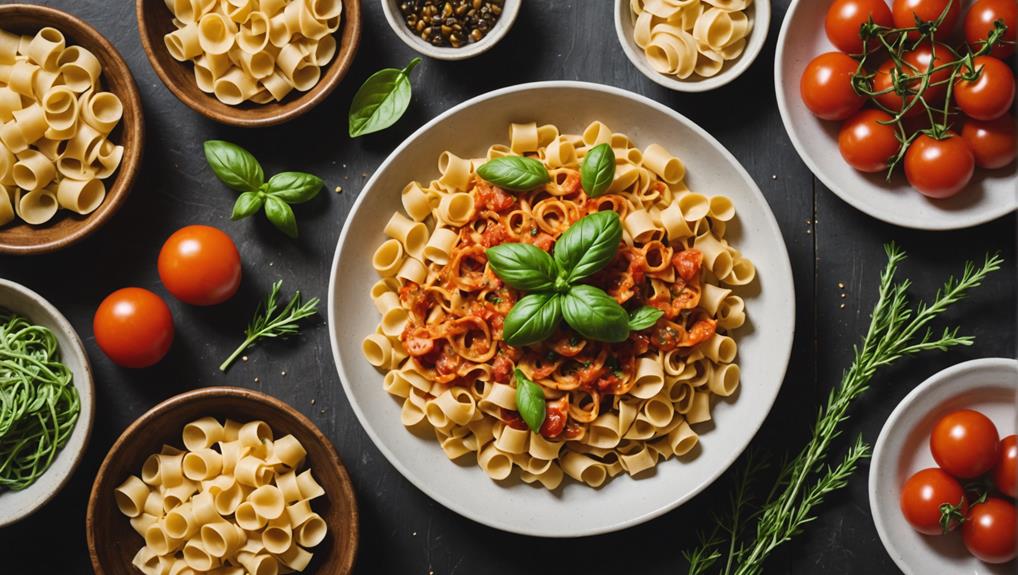
You might not realize that each Italian region has its own unique pasta traditions, shaped by local ingredients and historical influences. Exploring these regional variations can reveal not only the distinctive flavors and textures of pasta but also the stories behind them. From the rich, creamy sauces of the north to the robust, tomato-based dishes of the south, there's a depth to Italian cuisine that goes beyond mere recipes. Understanding these nuances could transform your culinary experiences, making you wonder what other secrets Italian pasta holds.
Need cookware for your meal? Toolbox, a Pear to Pear rental marketplace, might be worth a look.
Quick Takeaways
- Exploring classic Italian pasta highlights the unique ingredients and culinary traditions of each region, enhancing appreciation for Italy's rich heritage.
- Regional pasta varieties showcase diverse cooking techniques, from handmade artistry to slow-cooked sauces that create deep, complex flavors.
- Each region's signature dishes tell stories of local agriculture, reflecting cultural identities and historical influences, such as Arabic spices.
- Understanding regional differences in flavor profiles enriches the dining experience, revealing how local ingredients shape pasta dishes across Italy.
Importance of Regional Diversity
The importance of regional diversity in Italian pasta lies in how each region's unique ingredients and traditions create a rich tapestry of flavors and shapes that reflect Italy's cultural heritage.
As you explore the world of pasta, you'll discover that Northern Italy often favors egg-based varieties, like tagliatelle, which embody the richness of local eggs and cream. In contrast, Southern Italy showcases dried pasta shapes, such as orecchiette, crafted to hold onto the bold flavors of its vibrant sauces.
Each traditional dish tells a story, rooted in the agricultural practices of its region. For example, Emilia-Romagna's slow-cooked ragù develops deep, complex flavors, embodying the essence of comfort food. You'll find that pasta isn't merely a dish; it's a cultural expression, perfectly illustrating the synergy between ingredients and preparation techniques.
Embracing this regional diversity enhances your appreciation of Italian cuisine. By serving pasta that reflects its origins, you bring a piece of Italy's rich culinary heritage to your table.
Each bite transports you and your guests into the heart of Italy, where every shape and flavor tells a story of tradition and craftsmanship.
Key Ingredients by Region
Exploring the key ingredients of Italian pasta reveals how each region's distinct flavors and culinary traditions come together to create unforgettable dishes.
In Northern Italy, you'll find fresh basil, pine nuts, and Ligurian olive oil shining in Pesto Alla Genovese, a true representation of the region's vibrant agricultural bounty.
Traveling south to Emilia-Romagna, hearty ragù sauces crafted from high-quality beef, pork, tomatoes, and red wine capture the essence of rich, artisanal flavors that define Italian dishes.
As you venture further, the Veneto region introduces you to seafood delights like Bigoli in Salsa, where salt-cured fish and onions create a unique taste profile.
In Southern Italy, the culinary landscape shifts to include bitter greens, as seen in Orecchiette con Cime di Rapa, showcasing the region's agricultural practices and love for seafood.
Don't miss Sicily's Pasta alla Norma, which highlights robust local ingredients such as tomatoes, fried eggplant, and ricotta salata, embodying the island's cultural influences.
Traditional Cooking Techniques
Handmade pasta takes center stage in traditional Italian cooking, showcasing the artistry and dedication that transforms simple ingredients into culinary masterpieces. You'll find that each region employs unique traditional cooking techniques that elevate the experience of pasta.
In Emilia-Romagna, for instance, the craftsmanship of stuffed pasta, like tortellini, highlights the time-honored methods passed down through generations.
Emphasizing al dente preparation guarantees your pasta maintains a perfect firm texture, allowing it to harmonize beautifully with specific sauces. Consider how Liguria's use of fresh basil in pesto reflects the significance of regional agricultural practices in crafting authentic flavors.
Slow-cooking techniques play a crucial role, especially in dishes like Tagliatelle al Ragù, where simmering ingredients meld to create deep, complex flavors that enchant the palate. You'll also notice that distinctive pasta shapes, such as rigatoni, are expertly paired with thick meat and tomato sauces, their ridged surfaces perfectly capturing every bite.
As you explore these time-honored techniques, you'll appreciate how they not only preserve tradition but also enhance the joy of sharing delicious meals with loved ones.
Signature Pasta Dishes
Italian cuisine comes alive through signature pasta dishes, each one a delicious representation of the region's unique ingredients and culinary heritage.
Imagine serving Pesto Alla Genovese from Liguria, where fresh basil and pine nuts unite in a fragrant blend that echoes the lush hills. Or consider Tagliatelle al Ragù from Emilia-Romagna, a hearty dish that brings together rich meat sauce, perfect for family gatherings.
As you explore Southern Italy, Orecchiette con Cime di Rapa from Puglia showcases humble ingredients like ear-shaped pasta, bitter greens, and local seafood, transforming simple elements into a comforting meal.
In Venice, Bigoli in Salsa presents thick whole-wheat pasta paired with a savory sauce made from onions and salt-cured fish, reflecting a mastery of seafood integration.
Don't overlook Pasta alla Norma from Sicily, a vibrant dish that combines tomatoes, fried eggplant, basil, and ricotta salata, celebrating the region's robust agricultural produce.
With diverse shapes and preparation techniques, these signature pasta dishes embody the rich tapestry of regional variations and culinary traditions that make Italian cuisine a beloved choice for those who love to serve others.
Influences on Flavor Profiles
Diverse climates and local agricultural practices across Italy shape the unique flavor profiles of its pasta dishes, inviting you to savor the freshness of ingredients that reflect each region's character.
In Northern Italy, you'll find rich, creamy sauces that highlight the region's abundance of dairy, creating a comforting experience in every bite. Southern Italian pasta dishes, on the other hand, favor lighter, vegetable-based sauces, allowing the vibrant flavors of tomatoes and local seafood to shine through.
Each region boasts its own specialties, like the hearty ragù from Emilia-Romagna, where slow-cooking techniques intensify flavors and bring out the essence of local ingredients.
Imagine serving fresh trofie pasta, perfectly coated in fragrant basil pesto from Liguria, or orecchiette paired with bitter greens in Puglia—each shape designed to enhance the sauce's cling and flavor experience.
Cultural Heritage in Pasta
As you explore the world of Italian pasta, you can't help but notice how each region's unique ingredients shape its culinary identity.
From the velvety richness of egg-based pastas in the north to the rustic charm of dried varieties in the south, traditional cooking techniques reveal deep-rooted cultural stories.
These regional specialties not only tantalize your taste buds but also connect you to the rich agricultural heritage that defines Italy's diverse landscape.
Regional Ingredient Significance
Regional ingredients play an essential role in shaping the rich tapestry of pasta dishes, reflecting the unique agricultural practices and cultural heritage found across Italy's diverse landscapes. Each region boasts its own high-quality ingredients, from Liguria's fresh basil for Pesto Alla Genovese to Emilia-Romagna's succulent meats for Tagliatelle al Ragù. These unique ingredients not only enhance the flavor of dishes but also highlight the regional ingredient significance in Italy's culinary identity.
As you explore different regions, you'll notice how traditional culinary practices shape pasta making. Northern Italy favors creamy sauces, while Southern Italy embraces seafood and vibrant tomato-based sauces. The distinctive pasta shapes, like trofie in Liguria and orecchiette in Puglia, showcase local ingredient availability and serve as an indication of the cultural significance of each area.
Moreover, historical influences, such as Arabic spices in Sicilian cuisine, reveal the depth of Italy's culinary evolution. By preserving traditional recipes passed down through generations, you'll appreciate how regional ingredients maintain Italy's rich culinary heritage. Embracing these local flavors allows you to serve authentic Italian dishes that resonate with tradition and passion.
Traditional Cooking Techniques
Traditional Italian pasta-making techniques reveal a rich tapestry of cultural heritage, where each handcrafted shape and method tells a story of local customs and culinary artistry. You'll find that these traditional cooking techniques often involve handmade processes, like rolling and cutting dough by hand, celebrated through unique shapes such as orecchiette and pici.
As you explore the diverse regions, you'll notice specific cooking methods that bring pasta to life. For instance, the al dente texture achieved through precise boiling paired with slow-cooked sauces, like the hearty ragù of Emilia-Romagna, showcases a commitment to deep flavors.
Regional variations also highlight local ingredient availability; in Sicily and Puglia, frying or sautéing enhances the fresh produce and seafood.
Moreover, the use of distinctive tools, such as the chitarra for spaghetti alla chitarra or traditional wooden boards for shaping corzetti, reflects the craftsmanship behind pasta-making. These techniques, passed down through generations, preserve local culinary identities, influenced by historical factors that enrich the pasta tradition.
Embracing these cooking methods allows you to connect deeply with Italy's vibrant culinary heritage.
Modern Adaptations and Trends
Today's pasta scene is buzzing with creativity, thanks in part to the influence of social media platforms where vibrant, eye-catching dishes take center stage.
You'll find chefs transforming traditional recipes by incorporating innovative ingredients, from fresh vegetables to global flavors, making every plate an exciting fusion of cultures.
As you explore these modern adaptations, you'll see how the classic Italian pasta you love continues to evolve while honoring its rich heritage.
Social Media Influence
Social media platforms regularly transform classic Italian pasta dishes into trending sensations, inspiring home cooks to infuse modern twists into beloved recipes. As you scroll through Instagram and TikTok, you'll notice how influencers and food bloggers showcase regional pasta dishes, enchanting audiences with both traditional flavors and innovative adaptations.
Vegan Pasta alla Norma and gluten-free options are just a taste of how social media caters to diverse dietary preferences, making Italian food accessible to everyone. The visually striking presentations you see encourage you to step up your plating game, using vibrant ingredients that make your dishes pop.
Participating in food challenges like #PastaChallenge not only connects you with like-minded enthusiasts but also rekindles a passion for exploring regional specialties. You might find yourself experimenting with family recipes or sharing your own unique adaptations, fostering a sense of community around traditional Italian cooking methods.
With hashtags promoting homemade pasta, you can exchange tips and celebrate culinary heritage while bridging the gap between historical recipes and contemporary dining experiences.
Ingredient Innovations
Innovative chefs are boldly reimagining classic Italian pasta dishes by blending time-honored ingredients with unexpected flavors, creating a culinary landscape that excites both the palate and the imagination. By incorporating fresh ingredients like vibrant vegetables and unique garnishes, these culinary artists not only preserve traditional flavors but also elevate the dining experience for those you serve.
As you explore modern adaptations, you'll discover plant-based alternatives that cater to the growing demand for vegetarian and vegan options. Chefs are swapping traditional wheat pasta for lentils, chickpeas, or spiralized veggies, ensuring everyone can enjoy a delicious meal without sacrificing flavor.
Moreover, the fusion of Italian pasta styles with global cuisines introduces an adventurous twist, where Asian spices mingle with classic sauces, or quinoa finds its way into traditional recipes. Artisanal techniques are making a comeback, with chefs and home cooks alike reviving historic pasta shapes while infusing contemporary elements.
Through these innovations, you not only honor Italy's culinary heritage but also create dishes that reflect modern tastes and dietary preferences, ensuring every meal is a celebration of both tradition and innovation.
Pairing Pasta With Regional Sauces
Pairing pasta with regional sauces creates a delightful culinary experience, as each region of Italy showcases its unique flavors and traditions through carefully crafted combinations.
When you serve pasta, consider how simple ingredients can elevate the dish. Here are some classic pairings you can explore:
- Pasta alla Panna with tagliatelle or tortellini: This rich, creamy sauce from Northern Italy complements egg-based pasta beautifully, offering a luxurious mouthfeel.
- Cacio e Pepe with semolina pasta: A staple from Central Italy, this minimalistic sauce highlights the bold flavors of Pecorino Romano cheese and black pepper, making it a perfect choice for those who appreciate simplicity.
- Pasta alla Norma with rigatoni or spaghetti: Emphasizing Southern Italian cuisine, this dish features a light vegetable sauce that balances the richness of fried eggplant and robust tomatoes.
- Bigoli in Salsa with thick bigoli pasta: This unique seafood sauce from the Veneto region captures aromatic flavors, making it a standout choice for seafood lovers.
Culinary Tourism and Exploration
Culinary tourism in Italy frequently immerses you in the rich tapestry of regional pasta dishes, inviting you to explore the authentic flavors and traditions that define each unique area. As you commence on this journey, you'll discover the vast variety of pasta in Italy, with over 50 distinct types waiting to be savored. Each bite tells a story of local agricultural practices and historical influences, showcasing regional specialties that reflect the heart and soul of their origins.
Imagine standing in Emilia-Romagna, where artisanal pasta like Tagliatelle al Ragù comes to life, or in Liguria, where Pesto alla Genovese is crafted with love. Culinary tourism enriches your experience, offering immersive cooking classes and food-focused travel experiences that teach you traditional cooking methods. You'll learn to make Orecchiette con Cime di Rapa in Puglia, deepening your appreciation for these authentic dishes.
As you indulge in these culinary adventures, you not only satisfy your palate but also support local economies and preserve Italy's rich culinary heritage. This journey is about more than just food; it's about connecting with the culture and sharing unforgettable experiences with others.
Common Questions
Why Is Pasta so Important to Italian Culture?
Pasta's essential to Italian culture because it embodies community and tradition. When you share a meal, you're not just eating; you're connecting, celebrating, and honoring generations of culinary artistry that brings people together.
What Region of Italy Is Best Known for Pasta?
Did you know Emilia-Romagna produces over 80 types of pasta? When you think of pasta, this region's tagliatelle and tortellini stand out, showcasing exceptional ingredients and techniques that truly elevate Italian cuisine to new heights.
Why Is Italian Food Described as Regional Cuisine?
Italian food's described as regional cuisine because each area showcases unique ingredients, traditions, and cooking techniques. You'll discover how local geography shapes flavors, creating a vibrant tapestry of dishes that reflect Italy's diverse culture.
What Is Special About Italian Pasta?
You'll discover Italian pasta isn't just food; it's a celebration of culture. Each type tells a story, reflecting local traditions, ingredients, and flavors that transform a simple meal into a shared experience rich in history.
Wrapping Up
As you wander through Italy's pasta landscape, envision each dish as a storybook, where every region's flavors narrate tales of tradition and innovation.
By savoring these unique pastas, you're not just tasting ingredients; you're experiencing the heartbeat of the land and its people.
Embrace this culinary adventure, letting each bite transport you deeper into the rich tapestry of Italian heritage, where every forkful is a bridge connecting you to the past, present, and future of this timeless cuisine.