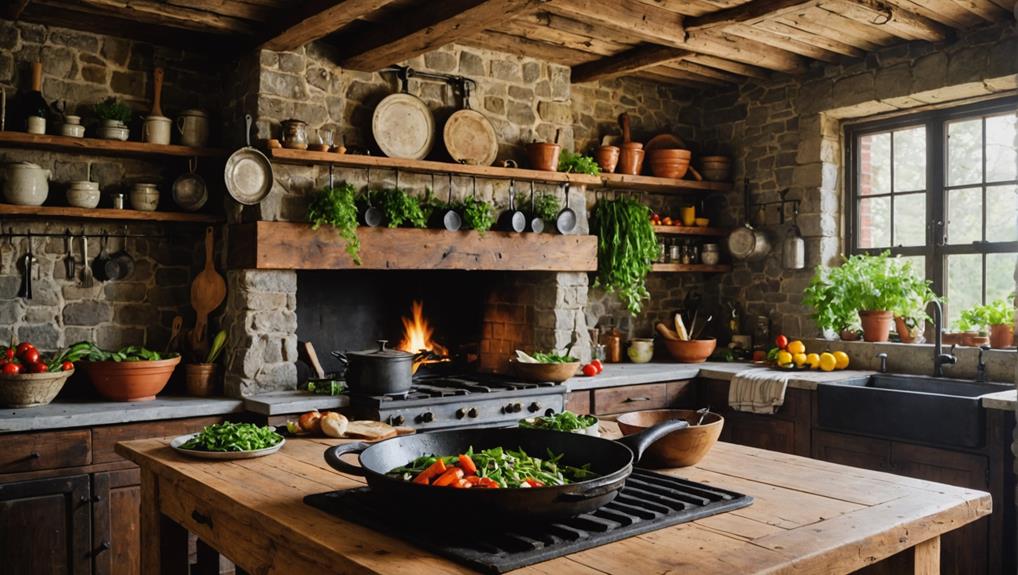
If you're looking to elevate your home cooking, mastering rustic French techniques can be a rewarding pursuit. It's about more than just recipes; it's about understanding the methods that bring out the best in seasonal ingredients. By honing essential skills like sautéing and braising, you'll create dishes that resonate with authenticity and flavor. But where do you begin, and what tools are essential to guarantee success? As you explore these foundational elements, you'll discover the depth of French culinary culture waiting to transform your kitchen experience.
Need cookware for your meal? Toolbox, a Pear to Pear rental marketplace, might be worth a look.
Quick Takeaways
- Start with mise en place to organize ingredients and tools, ensuring efficiency and a smooth cooking process for rustic French dishes.
- Master knife skills for precise cuts, which enhance ingredient quality and improve overall dish presentation in your cooking.
- Practice traditional cooking techniques like sautéing, braising, and poaching to develop rich flavors and textures in classic recipes.
- Use high-quality, fresh ingredients sourced from local markets to elevate the authenticity and taste of your French cuisine.
Essential Techniques for Home Cooks
To elevate your home cooking, mastering essential French techniques like sautéeing and braising will transform your dishes into flavorful masterpieces.
Sautéeing allows you to cook vegetables and proteins quickly over high heat, enhancing their natural flavors with just a small amount of fat. It's a skill every home cook should embrace for its ability to create vibrant, delicious meals.
Braising, on the other hand, combines searing and slow cooking, turning tougher cuts of meat into tender delights. Think of classic rustic recipes like Beef Bourguignon or Coq au Vin; these dishes thrive on this method, infusing deep flavors through patience.
Don't overlook poaching for delicate foods. Gently simmering items like eggs or fish preserves their textures, perfect for light yet satisfying meals.
Additionally, honing your baking techniques, such as blind baking and proofing, is crucial for mastering French pastries and breads.
Classic Rustic French Recipes
Mastering classic rustic French recipes opens the door to a world of hearty flavors and comforting meals that bring family and friends together. These dishes often rely on slow cooking techniques, allowing flavors to meld beautifully over time. Take Beef Bourguignon or Coq au Vin, for instance; they're perfect for cozy gatherings, warming hearts and bellies alike.
Ratatouille, a vibrant medley of seasonal vegetables, showcases your knife skills while emphasizing the importance of fresh produce in French cooking. For dessert, Tarte Tatin presents a delightful challenge, requiring precise timing to achieve the ideal caramelization of apples.
Quiche Lorraine is a versatile gem that can effortlessly adapt to whatever ingredients you have on hand, making it an excellent choice for brunch or light lunches.
Meanwhile, classic dishes like Cassoulet and Bouillabaisse reflect the rich regional diversity of French cooking, featuring hearty ingredients that honor rustic culinary traditions.
Tools and Ingredients Needed
What you'll need to commence on your rustic French cooking journey are essential tools and quality ingredients that not only enhance your cooking experience but also elevate the flavors of your dishes.
Start with a sharp chef's knife; it's crucial for precise cuts that bring out the best in your ingredients. A heavy-bottomed pot is perfect for braising, ensuring even heat distribution, while a cast-iron skillet allows for perfect searing.
Next, focus on your ingredients. High-quality butter is a staple in French cuisine, adding richness to sauces and pastries. Fresh herbs, like thyme and rosemary, and seasonal vegetables will infuse your dishes with vibrant flavors.
Don't forget a reliable set of measuring cups and spoons; accuracy is key in classic French recipes. If you want to elevate your vegetable prep, invest in a good quality mandoline for uniform cuts, especially for dishes like Ratatouille.
Tips for Successful Cooking
To cook like a true French chef, start with mastering mise en place—it'll save you time and keep your kitchen organized.
Next, honing your knife skills is essential; sharp knives and proper techniques not only speed up prep but also make your dishes look stunning.
Mise En Place Essentials
How can you transform your cooking experience with the simple yet powerful practice of mise en place? This French cooking technique, meaning 'everything in its place,' helps you organize your ingredients and tools before you start, enhancing your efficiency.
Imagine stepping into your kitchen, everything prepped and ready—measured, chopped, and arranged—allowing you to focus solely on your culinary art.
By incorporating mise en place into your cooking routine, you'll reduce stress and create a smoother process that fosters flavor development. You won't waste time searching for ingredients, ensuring that your attention remains on your technique.
This disciplined approach, championed by culinary legend Georges Auguste Escoffier, respects the quality and integrity of each ingredient, leading to improved culinary outcomes.
As you embrace this practice, you'll find that cooking becomes more enjoyable, whether you're a novice or a seasoned chef. Organizing your workspace not only elevates your skills but also boosts your confidence, making it easier to serve delightful meals to your loved ones.
Master Knife Skills
Mastering knife skills is essential for elevating your cooking, transforming not just the presentation of your dishes but also the efficiency of your preparation. By honing your ability to execute essential cuts like julienne, brunoise, chiffonade, and concassé, you'll enhance both the look and flavor of your meals, making them more inviting for those you serve.
Regular practice is key to achieving the precision needed for these techniques. The tourne cut, for example, showcases the artistry of French cuisine, creating uniform vegetable shapes that impress your guests. With each slice, you'll find that your confidence grows, allowing you to explore your creativity in the kitchen.
Don't forget the importance of proper knife maintenance. Regular sharpening and correct handling not only guarantee safe use but also result in clean, professional cuts that elevate your dishes.
As you master these knife skills, you'll discover that cooking becomes not just a task but a form of artistry, where every ingredient is treated with respect and finesse. Embrace the journey, and watch as your culinary creations transform into beautiful, delicious works of art.
Common Cooking Techniques
Understanding common cooking techniques is essential for achieving successful and flavorful results in any rustic French dish.
Mastering sautéing allows you to quickly enhance the flavors of vegetables and proteins, creating that perfect golden-brown finish.
When it comes to tougher cuts of meat, braising shines; by searing first and then cooking slowly in broth or wine, you'll transform them into tender delights that your guests will rave about.
Poaching is another gentle method worth exploring. It preserves the delicate textures of eggs, fish, and fruits, making for sumptuous, low-fat dishes.
As you venture into baking, remember that precision is key. Whether it's pastries or bread, keeping accurate measurements will help you develop those rich flavors and textures indicative of classic French desserts.
Lastly, don't overlook emulsifying. This technique combines oil and vinegar to create stable sauces like vinaigrettes and mayonnaise, elevating the flavor and texture of your dishes.
Embracing French Culinary Culture
Embracing French culinary culture invites you to explore a vibrant world where fresh, seasonal ingredients take center stage, transforming simple dishes into extraordinary experiences. The essence of this culture lies in its dedication to quality ingredients and time-honored cooking techniques.
As you immerse yourself in this world, consider these three essential elements:
- Mise en place: Arranging your ingredients and tools before starting guarantees a smooth cooking process and elevates your efficiency.
- Knife skills: Mastering the art of chopping, dicing, and slicing enhances your presentation and releases complex flavors from your ingredients.
- Regional cuisines: Each region boasts its own traditional dishes, reflecting local ingredients and culinary techniques.
Exploring Regional French Dishes
Exploring the rich tapestry of regional French dishes reveals a delightful array of flavors and techniques that celebrate local ingredients and culinary traditions. Each region boasts its unique cuisines, showcasing the best of local produce and seasonal ingredients.
For example, the comforting Cassoulet from the south combines beans and meats in a hearty stew, while the light Ratatouille from Provence highlights fresh vegetables in a simple, yet flavorful dish.
Traditional cooking methods like braising and sautéing are essential in creating depth in dishes such as Beef Bourguignon, where tender beef melds beautifully with rich red wine and aromatic herbs. Alsace offers a unique twist with its tangy Sauerkraut, and Brittany delights seafood lovers with its renowned crepes.
Seasonal ingredients play a significant role in French cooking, as seen in the Provencal Vegetable and Pesto Soup, which celebrates the bounty of summer.
Common Questions
What Are 5 French Cooking Techniques?
You'll love exploring five essential French cooking techniques: sautéing for quick flavor, braising for tender meats, poaching for delicate textures, emulsifying for stable sauces, and blanching to preserve vibrant vegetables. Each technique enhances your culinary creations!
What Is the Secret to French Cooking?
The secret to French cooking lies in mastering techniques and prioritizing quality ingredients. Focus on precision, embrace mise en place, and enhance flavors through methods like emulsifying. You'll elevate every dish you serve to others.
What Cooking Style Is Practiced by Most French Families?
Most French families embrace a cooking style that's simple yet comforting, focusing on fresh, seasonal ingredients. You'll find techniques like sautéing and braising enhancing flavors, creating delicious meals that bring everyone together around the table.
What Are the Six Foundations of French Cooking?
The six foundations of French cooking are sautéing, braising, poaching, baking, emulsifying, and blanching. Each technique enhances flavors, textures, and presentation, allowing you to create dishes that truly delight those you serve.
Wrapping Up
As you master rustic French cooking techniques, you'll find that the simplicity of these methods often leads to the most complex flavors.
Ironically, while you aim for perfection in your Beef Bourguignon or Ratatouille, the real joy comes from embracing the delightful imperfections of home cooking.
So, don your apron, grab that trusty chef's knife, and remember: it's not just about the food on the plate, but the warmth and memories you create along the way.