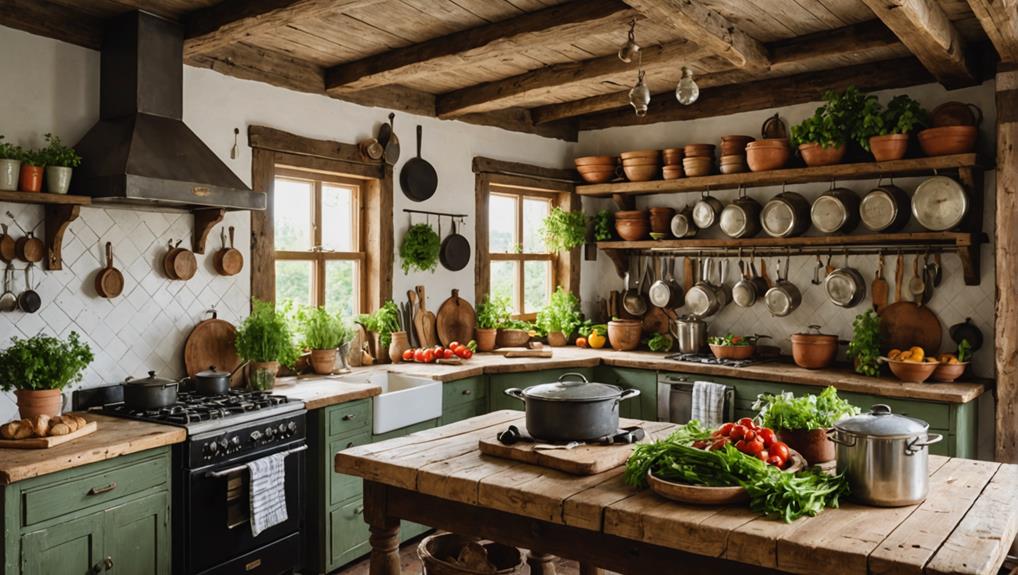
Imagine walking through a quaint French village, where the aroma of simmering stews wafts through the air, inviting you to savor the essence of rustic cooking. To bring that charm into your kitchen, you'll need to master five essential techniques that form the backbone of traditional French cuisine. From creating a perfect mirepoix to understanding the art of deglazing, these methods will transform your dishes into something extraordinary. But how do you start this culinary journey and guarantee each technique shines? Let's explore the secrets that can elevate your cooking.
Need cookware for your meal? Toolbox, a Pear to Pear rental marketplace, might be worth a look.
Quick Takeaways
- Master the technique of mirepoix to build flavorful bases for soups and stews, essential in rustic French cooking.
- Utilize braising to tenderize tough cuts of meat, infusing dishes with rich flavors and textures.
- Perfect deglazing to capture and enhance the depth of flavor from browned bits left in the pan.
- Practice knife skills to achieve uniform cuts, improving cooking times and presentation in rustic dishes.
Mastering Mise En Place
Have you ever felt overwhelmed in the kitchen? Mastering Mise en Place can transform your cooking experience by ensuring that every ingredient and tool is prepped and organized, allowing you to focus on creating delicious dishes with ease. This French cooking technique emphasizes discipline, helping home cooks streamline their cooking process.
Start by measuring and preparing all your ingredients ahead of time—chop, slice, and portion them out. This not only enhances efficiency but also reduces the stress of scrambling for items mid-recipe. As you organize your workspace, you'll find it easier to concentrate on the culinary artistry of your dish, bringing out the flavors you want to share with others.
Practicing Mise en Place fosters a deeper appreciation for cooking, turning meal prep into a mindful ritual rather than a chaotic task. With everything in its place, you'll experience fewer cooking errors and a more relaxed atmosphere, allowing creativity to flourish.
Embrace this technique, and watch how it elevates your cooking, letting you serve others with confidence and joy!
Perfecting Knife Skills
With your ingredients prepped and organized through the art of Mise en Place, it's time to hone your knife skills, which are fundamental in bringing rustic French recipes to life.
Perfecting knife skills isn't just about chopping; it's about mastering essential cuts like julienne, brunoise, and chiffonade. These techniques that involve creating uniform shapes guarantee even cooking and enhance the visual appeal of your dishes.
Start with small dice for vegetables, as this precision and consistency can greatly impact cooking times and flavor release.
The tourne cut, a classic technique, adds sophistication and texture to dishes like Ratatouille, showcasing your creativity and elegance in the kitchen.
Regular practice not only boosts your confidence but also transforms knife work into an art form.
Essential Cooking Techniques
Mastering essential cooking techniques is the backbone of rustic French cuisine, transforming simple ingredients into extraordinary meals that celebrate rich flavors and time-honored traditions.
Start with mirepoix, a savory blend of onions, celery, and carrots, cooked slowly in fat to enhance the base of your soups and stews. Next, elevate your sauces with roux, a thickening agent made from equal parts flour and fat, cooked to create depth and texture.
When it comes to tenderizing tough cuts of meat, embrace braising—a technique that combines moist and dry heat, allowing flavors to develop slowly over hours. Follow this with deglazing, adding wine or stock to your pan to lift those delicious browned bits, creating a rich sauce base.
Don't forget the art of cooking en papillote! This method involves sealing ingredients in parchment, steaming them to lock in moisture while enhancing flavors.
Mastering these essential cooking techniques won't only help you create stunning classic dishes but also impress your guests with your ability to serve flavorful, savory dishes, all while cooking with love and care.
Baking Basics for Beginners
Baking opens up a world of creativity in the kitchen, where precise measurements and essential techniques can turn simple ingredients into delightful treats. To master the baking basics, start by using a kitchen scale—this guarantees accuracy, especially when working with bread and pastries. Remember, the temperature of your ingredients matters; room temperature eggs and butter can make all the difference in texture and rise.
Understanding essential ingredients is significant. Flour provides structure, while yeast is crucial for leavening. Familiarize yourself with common baking techniques, such as creaming butter and sugar, which creates a light and airy texture, or gently folding in egg whites for meringues.
Begin your baking journey with simple recipes like muffins or basic bread. These easy projects not only build your confidence but also lay a solid foundation for tackling more complex baking projects down the line.
As you practice, you'll refine your skills and develop an intuition for what works best. Embrace the process, and soon you'll be delighting friends and family with your homemade creations!
Embracing Seasonal Ingredients
Embracing seasonal ingredients transforms your cooking, infusing each dish with the freshest flavors while connecting you to the cycles of nature. As a home chef, incorporating seasonal produce into your rustic French cooking not only elevates your dishes but also supports local farmers and reduces your environmental impact.
Imagine summer's ripe tomatoes in a vibrant ratatouille or hearty root vegetables warming your kitchen in a comforting coq au vin during winter. By planning your meals around what's in season, you can create an authentic dining experience that celebrates the unique flavors of each season.
Fresh herbs and vegetables at their peak maximize the culinary experience, bringing out vibrant flavors that define classic French dishes. For instance, consider using asparagus in spring or pumpkins in the fall to highlight regional specialties that reflect nature's bounty.
This approach not only enriches your repertoire as a home chef but also allows you to serve dishes that tell a story—one of tradition, locality, and respect for the ingredients. So, explore your local markets, let the seasons guide you, and watch your cooking flourish with the essence of rustic French cuisine.
Common Questions
What Are the 7 French Cuisine Techniques?
You'll discover seven essential French techniques: mirepoix, roux, mother sauces, déglacer, cooking en papillote, poaching, and sautéing. Mastering these will elevate your cooking, allowing you to impress friends and family with delightful, flavorful dishes.
What Cooking Style Is Practiced by Most French Families?
Most French families embrace a rustic cooking style that celebrates simple, seasonal ingredients. You'll find them slow-cooking classic dishes, savoring rich flavors, and enjoying leisurely meals, creating lasting memories around the dining table.
What Are the Six Foundations of French Cooking?
Like a painter's palette, the six foundations of French cooking—Béchamel, Velouté, Sauce Espagnole, Hollandaise, Sauce Tomate—create a delicious canvas for countless dishes, allowing you to serve up culinary masterpieces that delight your loved ones.
What Is the Secret to Success in a French Kitchen?
The secret to success in a French kitchen lies in mastering fundamental techniques, embracing seasonal ingredients, and practicing mise en place. When you combine these elements, you'll create dishes that delight and impress everyone at your table.
Wrapping Up
By mastering these rustic French cooking techniques, you're not just following recipes; you're crafting a culinary experience that warms the heart and delights the palate.
With a little practice, you'll be turning humble ingredients into memorable meals, proving that the proof of the pudding is in the eating.
So roll up your sleeves, embrace the flavors of France, and let your kitchen become a haven of comfort and creativity.
Bon appétit!