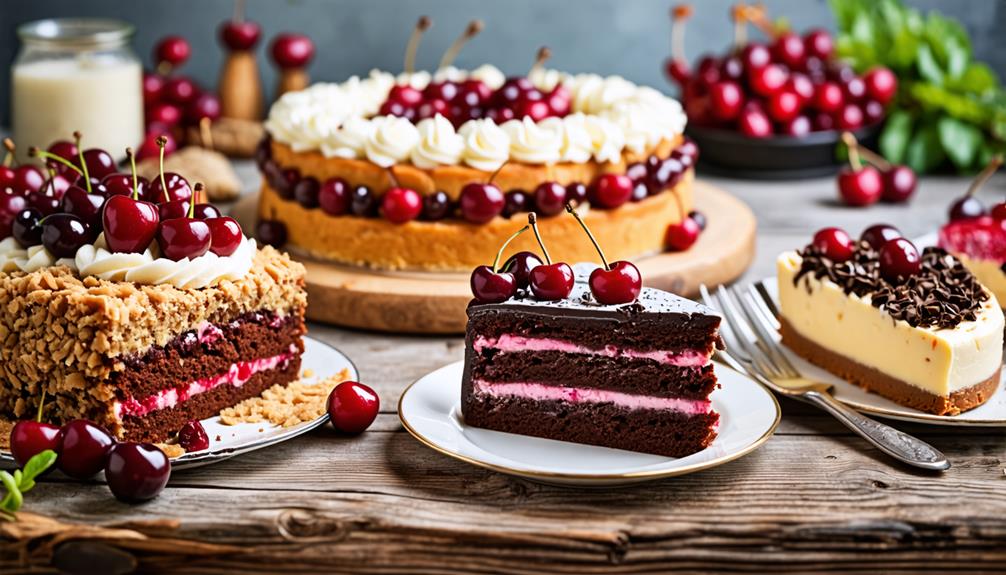
When it comes to baking, easy German cake recipes provide a welcoming entry point for beginners. With straightforward ingredients and simple techniques, novices can whip up delightful treats like Apfelkuchen and Streuselkuchen without feeling overwhelmed. These recipes not only highlight the essential components but also reflect the rich traditions of German cuisine. As they explore these cakes, bakers often find themselves curious about the best practices and tips that can elevate their baking skills even further. What secrets lie behind achieving the perfect texture and flavor?
Need cookware for your meal? Toolbox, a Pear to Pear rental marketplace, might be worth a look.
Quick Takeaways
- Start with simple recipes like Apfelkuchen and Streuselkuchen that are perfect for novice bakers.
- Use essential ingredients such as flour, sugar, eggs, butter, and baking powder for cake structure.
- Ensure ingredients are at room temperature for better mixing and cake tenderness.
- Explore creative toppings like seasonal fruits, ganache, or powdered sugar for added flair.
- Store cakes properly to maintain freshness, with unfrosted layers freezing well for future use.
Overview of German Cakes
German cakes are a delightful expression of the country's rich culinary traditions, offering a variety of flavors and textures that appeal to bakers of all skill levels. With their simple yet rich flavors, cakes like Apfelkuchen (apple cake) and Bienenstich (bee sting cake) exemplify the ease of creating traditional German desserts. Many recipes require minimal preparation, making them perfect for novice bakers enthusiastic to impress friends and family.
German cakes often feature ingredients such as quark, butter, and seasonal fruits, reflecting the country's dedication to using fresh, local produce. Popular German choices like Schwarzwälder Kirschtorte (Black Forest cake) and Erdbeerkuchen (strawberry cake) allow bakers to experiment with layers, fruits, and creams while honing their skills.
In Germany, the ritual of "Kaffee und Kuchen" brings people together, emphasizing the social aspect of enjoying these delightful treats during afternoon coffee breaks. Cakes like Streuselkuchen (crumb cake) and Marmorkuchen (marble cake) not only satisfy sweet cravings but also foster community bonding.
For those looking to share the joy of baking, these easy cake recipes offer a perfect starting point to create memorable moments with loved ones.
Essential Ingredients for Baking
When it comes to baking delicious cakes, a well-stocked pantry is crucial. The foundation of most German cake recipes consists of flour, sugar, eggs, butter, and baking powder. These core ingredients work harmoniously to create a tender, flavorful cake that's perfect for any occasion.
Flour provides structure, while sugar adds sweetness and moisture, and eggs contribute richness and stability. Butter, often softened, lends a delightful creaminess that elevates the cake's texture.
In addition to these staples, high-quality cocoa powder is indispensable for chocolate cakes, infusing them with deep, rich flavor. For those who want to explore traditional German recipes, quark can add a unique texture to cheesecakes, making them incredibly appealing.
Yeast plays a crucial role in many German cakes, like Bienenstich and Streuselkuchen, creating a light, airy crumb that's simply irresistible.
Fresh fruits such as apples, plums, and strawberries not only enhance the flavor but also provide moisture, making each slice a joy to serve.
With these essential ingredients on hand, anyone can begin their baking journey and delight others with homemade German cakes.
Popular Easy German Cake Recipes
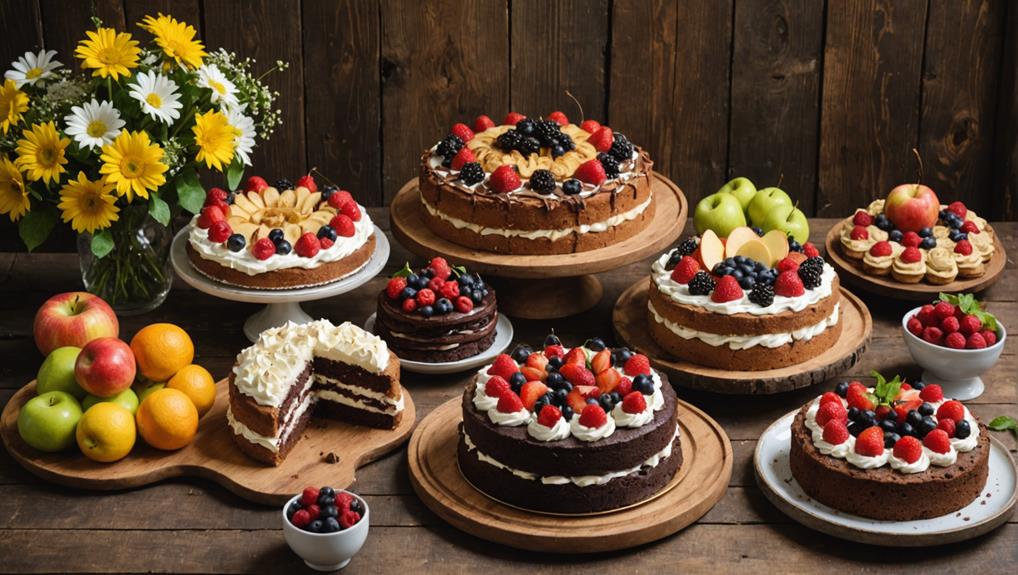
Baking delicious cakes brings joy to both the baker and those lucky enough to enjoy a slice. Among the popular easy German cake recipes, Streuselkuchen stands out as a classic crumb cake. Its soft yeast base is topped with a crunchy layer of streusel, making it a delightful treat for coffee gatherings.
Then there's Apfelkuchen—a comforting apple cake spiced with cinnamon and adorned with a generous streusel topping. This recipe showcases the versatility of various apple varieties and is sure to impress.
Another favorite is Bienenstich, or Bee Sting Cake, featuring a simple butter cake layered with a creamy honey and vanilla pudding filling. Topped with browned almonds, it adds a delightful crunch that complements the soft cake beneath.
For those who appreciate a touch of elegance, Marmorkuchen, or Marble Cake, combines rich chocolate and vanilla batters in a beautiful swirl pattern. It's not only visually appealing but also incredibly simple to prepare.
Finally, German Cheesecake (Käsekuchen) offers a lighter, fluffier alternative, using quark for a creamy texture and a hint of lemon zest for a revitalizing finish.
These recipes make it easy to share the joy of baking with loved ones.
Step-by-Step Baking Instructions
To create a delicious cake that impresses both visually and in taste, it's essential to follow a reliable set of baking instructions. Begin by gathering all necessary ingredients, making sure they're at room temperature for ideal mixing and texture. For a German Chocolate Cake, this might include flour, sugar, cocoa powder, eggs, milk, and melted butter.
Next, combine the dry ingredients separately from the wet ingredients to achieve a smooth, even batter. Preheat the oven to the designated temperature, usually around 350°F, to guarantee even baking.
Once the batter is ready, pour it into greased or lined cake pans, filling them halfway to allow for rising. Bake according to the recipe, checking for doneness with a toothpick.
When the cakes are moist and delicious, remove them from the oven and allow to cool completely in the pans. This cooling step is critical, as it helps maintain the cake's structure and moisture.
Once cooled, they're ready for frosting or serving, making sure that each slice is a delightful experience for those you wish to impress. Following these baking instructions will make any cake a success!
Frosting and Topping Options
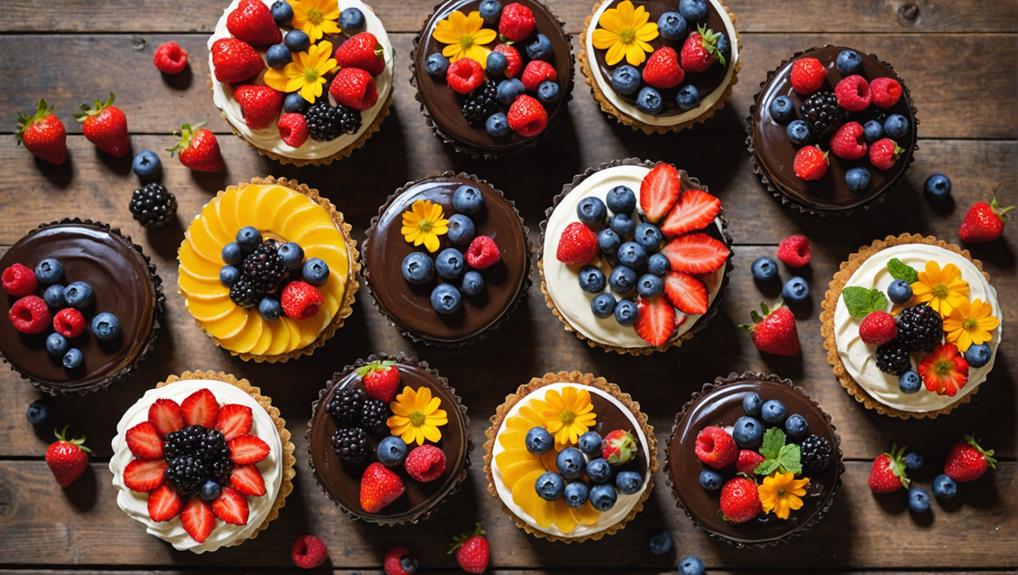
When it comes to frosting and topping options for German cakes, classic choices like coconut pecan frosting and rich buttercream elevate flavors beautifully.
For a creative twist, seasonal fruits and flavored glazes can add a revitalizing contrast, making each cake a visual and taste sensation.
Whether opting for traditional or inventive finishes, these elements enhance not just the cake's appearance but its overall enjoyment.
Classic Frosting Choices
German cakes are known for their delightful simplicity, and the choice of frosting plays an essential role in enhancing their flavors. Among the classic options, buttercream stands out with its creamy texture and versatility. Bakers often infuse it with hints of vanilla or lemon, adding a revitalizing twist to the cake's profile.
For those who prefer a tangy contrast, cream cheese frosting is perfect, especially when paired with fruit-based cakes, offering a delicious balance.
Another beloved choice is coconut-pecan frosting, famously used on German Chocolate Cake. This frosting combines sweet coconut and crunchy pecans, creating a delightful texture that elevates the cake's charm. For chocolate lovers, ganache provides a rich, velvety topping that adds depth and indulgence.
Presentation can be effortlessly elegant with simple touches like a dusting of powdered sugar or a drizzle of chocolate. Additionally, seasonal fruits like strawberries or plums can serve as fresh toppings, enhancing both flavor and visual appeal.
These classic frosting choices not only complement the cakes but also invite others to enjoy the delightful experience of German baking.
Creative Topping Ideas
Five creative topping ideas can transform a simple German cake into a show-stopping dessert.
First, consider the rich and traditional coconut pecan frosting, which marries brown sugar, butter, and shredded coconut for a delightful, decadent finish.
For a touch of elegance, drizzle a smooth chocolate ganache over the cake, created by melting chocolate with cream for that glossy sheen that beckons indulgence.
Next, seasonal fruits like strawberries or plums not only add a burst of color but also provide a fresh, natural sweetness that balances the cake's richness.
If simplicity is key, a light dusting of powdered sugar offers an elegant touch, giving the cake a polished look without overwhelming the flavors.
Tips for Successful Baking
For anyone looking to bake the perfect German cake, starting with quality ingredients is essential.
Using room temperature items like eggs and butter not only enhances the mixing process but also results in a tender, flavorful cake.
Quality Ingredients Matter
Baking with quality ingredients can transform an ordinary cake into a delightful masterpiece. When preparing authentic German cake recipes, using high-quality ingredients like real butter instead of margarine can greatly enhance both flavor and texture. Fresh eggs play an essential role as well, providing richness and moisture that elevate the final product.
For those seeking true authenticity, incorporating traditional baking products such as quark for cheesecakes or German chocolate in classic recipes guarantees that every bite reflects the original taste. Fresh, seasonal fruits add not only vibrant color but also a perfect balance of sweetness and acidity, especially in beloved fruit-based cakes like Apfelkuchen.
Additionally, the type of flour chosen can impact the cake's rise and crumb structure; for lighter cakes, cake flour is ideal, while all-purpose flour works well for denser varieties.
Finally, always check expiration dates on baking supplies to confirm freshness. Stale ingredients can lead to disappointing results, hindering the joy of sharing homemade treats with others.
Room Temperature Essentials
Achieving the perfect cake often hinges on the temperature of its ingredients. When bakers use room temperature eggs and buttermilk, they set the stage for a smooth batter that enhances emulsification, resulting in a uniform texture throughout the cake.
It's important to let butter soften at room temperature for about 30 minutes before creaming—this vital step allows the butter to incorporate air effectively, leading to a lighter cake.
For the best results, eggs should also be at room temperature, ideally around 70°F, as this helps them blend seamlessly with other ingredients, improving the overall rise of the cake.
To guarantee even mixing, bakers should take cold ingredients out of the refrigerator 30 minutes prior to baking. This practice minimizes curdling and promotes even baking, significant for those wanting to impress guests with their culinary skills.
Incorporating room temperature ingredients not only contributes to a smoother batter but can also reduce baking time slightly, as these ingredients warm quicker when mixed.
Storage and Make-Ahead Tips
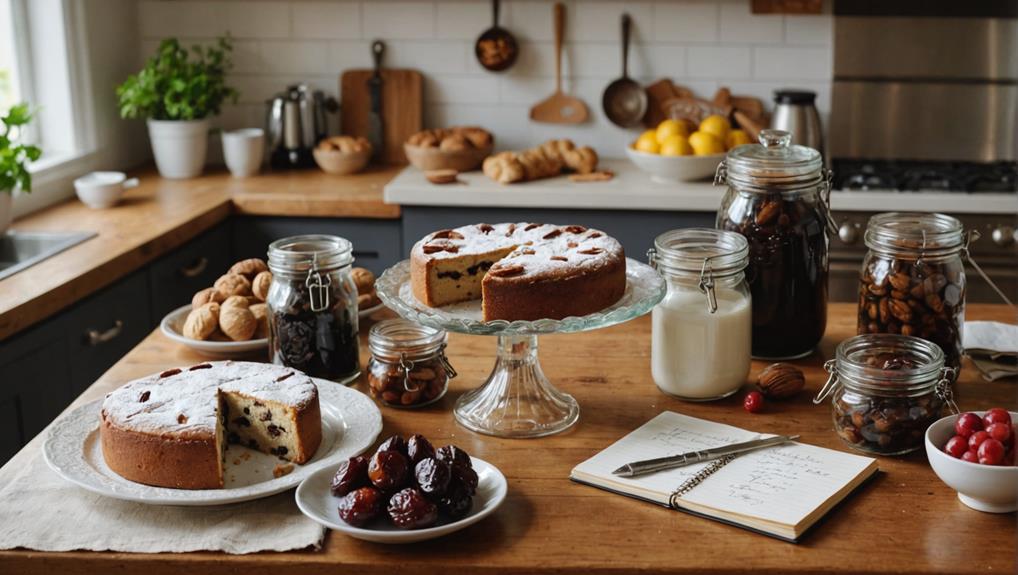
Storing German cakes properly guarantees they remain delicious and fresh for days to come. Most cakes can be stored at room temperature for up to 2-3 days in an airtight container, making certain they retain their moistness.
When preparing for gatherings, make sure to cool cakes and frostings completely before storing, as this maintains their ideal texture and flavor.
For those who like to plan ahead, unfrosted cake layers can be wrapped in plastic and frozen for up to 3 months. This makes it easy to bake in advance and assemble later.
Assembled cakes also freeze well for 2-3 months; simply slice and wrap individual pieces to allow for quick serving after thawing.
If your cake features frostings like coconut or chocolate, these can be refrigerated for 1-2 weeks.
Don't forget to let them come to room temperature before use to make certain they spread smoothly.
Community Feedback and Variations
Community engagement has brought a wealth of insights and creativity to the world of German cake baking. Beginners have found success with easy German recipes like Apfelkuchen and Streuselkuchen, often resulting in moist and flavorful cakes that charm family and friends.
Community feedback consistently emphasizes the importance of using room temperature ingredients—eggs and butter in particular—to boost the texture and rise of these delightful cakes.
Home bakers have also embraced variations on traditional recipes, experimenting with different fruits or adjusting sweetness levels to suit personal tastes. This flexibility encourages creativity, allowing bakers to craft their own unique takes on popular cakes.
Many users share tips on utilizing high-quality ingredients, such as real butter and fresh fruit, which greatly elevate the overall flavor and enjoyment of the cakes.
For those just starting their baking journey, many recommend beginning with sheet cakes like Butterkuchen or Marmorkuchen. These options aren't only easier to prepare but also provide a perfect canvas for beginners to hone their skills while serving delicious treats to loved ones.
The sense of community continues to inspire new bakers to explore the wonderful world of German cakes.
Common Questions
What Is the Most Popular German Cake?
The most popular German cake is unquestionably the Black Forest cake. Its luscious layers of chocolate sponge, cherries, and whipped cream captivate many, making it a favorite choice for celebrations and gatherings, delighting guests with every slice.
What Makes German Chocolate Cake Different?
German chocolate cake stands out due to its unique chocolate flavor, lighter cake base, and signature coconut-pecan frosting. This delightful combination creates a moist texture and a delicious contrast, making it a favorite for celebrations.
What Is German Cake Frosting Made Of?
German cake frosting's a heavenly concoction! It typically combines butter, sugar, and eggs, thickened for a creamy texture. Variations burst with flavors like coconut or chocolate, creating an irresistible topping that makes every cake truly unforgettable.
What Is the Difference Between Devils Food Cake and German Chocolate Cake?
The difference between Devil's Food Cake and German Chocolate Cake lies in their flavors and textures. Devil's Food boasts rich chocolatey depth, while German Chocolate features a milder taste with sweet coconut-pecan frosting, creating a delightful contrast.
Wrapping Up
In the world of baking, easy German cake recipes are like a warm hug on a chilly day, inviting beginners to discover the joy of creating delicious treats. With simple ingredients and clear instructions, anyone can master these delightful cakes, celebrating the comforting tradition of "Kaffee und Kuchen." So, whether it's a slice of Apfelkuchen or a piece of Streuselkuchen, these recipes offer a sweet gateway into the rich tapestry of German culinary heritage.