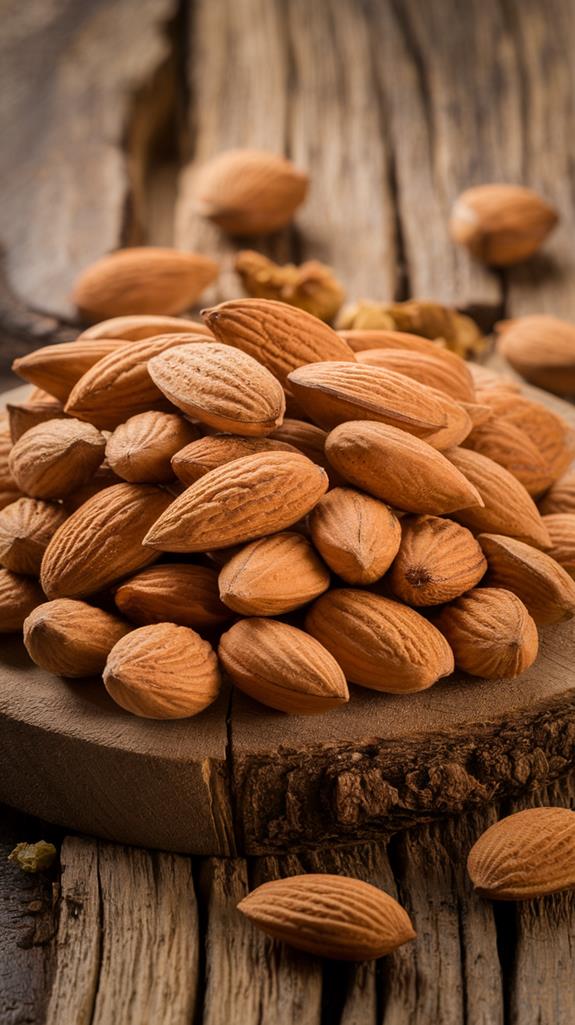
When it comes to making authentic Derbyshire Bakewell pudding at home, one must first understand the delicate balance of its ingredients and techniques. A well-crafted pudding begins with a rich layer of puff pastry, topped with quality raspberry jam and a creamy almond filling. However, the magic lies not just in the ingredients, but also in the method of preparation and baking. As one explores the essential steps and tips that guarantee a perfect Bakewell pudding, they might uncover some surprising elements that elevate this traditional dessert beyond mere familiarity.
Need cookware for your meal? Toolbox, a Pear to Pear rental marketplace, might be worth a look.
Quick Takeaways
- Use ready-to-roll puff pastry for the crust, ensuring it's rolled to an even 1/4-inch thickness.
- Spread quality raspberry jam over the chilled pastry base before layering the almond custard filling.
- Preheat the oven to 200°C (400°F) and bake the pudding for approximately 30 minutes until golden.
- Allow the pudding to cool for at least 45 minutes after baking for proper setting and flavor enhancement.
- Serve warm or chilled, optionally pairing with clotted cream, vanilla ice cream, or fresh custard for added richness.
History of Bakewell Pudding
Although often shrouded in legend, the history of Bakewell pudding reflects a delightful mix of serendipity and culinary tradition. Originating in the Derbyshire town of Bakewell during the 19th century, this iconic dessert arose from an accidental blend of ingredients at the Rutland Arms Hotel. A cook mistakenly added an egg mixture to a jam tart, creating a unique confection that would capture the palates of many.
The pudding quickly gained acclaim not only for its remarkable taste but also for its historical associations with illustrious visitors, such as the renowned author Jane Austen. These connections elevated its cultural significance, making Bakewell pudding a staple in British culinary heritage.
The earliest documented recipe, discovered in a manuscript by Clara Palmer-Morewood from 1837, underscores its long-standing presence in the culinary landscape.
While a common legend attributes its inception to the White Horse Inn, it's essential to recognize that the Bakewell pudding is distinct from the Bakewell tart, which features a frangipane filling. This distinction further highlights the pudding's unique identity within the domain of British desserts, solidifying its place in history.
Essential Ingredients
To create an authentic Derbyshire Bakewell pudding, one must gather a few vital ingredients that contribute to its distinct flavor and texture.
The foundation begins with a packet of ready-to-roll puff pastry, which forms the delectable crust that encases the rich filling. Next, quality jam plays a significant role, and raspberry jam is preferred for its vibrant flavor, although strawberry can be an acceptable alternative. It's important to select a jam containing at least 50% fruit content to guarantee a rich and authentic taste.
The custard filling comprises a precise mixture of butter, sugar, eggs, and ground almonds. Specifically, 120g of caster sugar and 60g of unsalted butter create a creamy base when combined with three beaten medium eggs and 60g of ground almonds, contributing to the pudding's signature nutty richness.
For an extra layer of flavor, 3/4 teaspoon of almond extract can be added, enhancing the overall experience. Optional ingredients, such as candied peel or lemon zest, can elevate the flavor complexity, making the Bakewell pudding a truly memorable dessert for guests to enjoy.
Required Kitchen Utensils

When preparing to make Derbyshire Bakewell pudding, having the right kitchen utensils is fundamental for achieving the perfect result. A shallow pie dish is significant for baking, guaranteeing even cooking and an attractive presentation.
To achieve a smooth mixture of sugar, butter, eggs, and ground almonds, a sturdy mixing bowl and a whisk are indispensable. These utensils allow for effortless blending, which is essential for the pudding's texture.
Accurate measurements are key to maintaining the recipe's integrity, so employing measuring tools like tablespoons, teaspoons, and weighing scales is necessary. These items guarantee that each ingredient is added in the right proportion, delivering consistent results.
For the puff pastry, a rolling pin is fundamental for rolling it out to the correct thickness before lining the pie dish. This step is imperative to achieving that delightful flaky crust.
Optional kitchen items, such as greaseproof paper, can also be helpful in organizing ingredients and preventing the pastry from sticking to the dish.
Equipped with these essential kitchen utensils, anyone can begin the delightful journey of making authentic Derbyshire Bakewell pudding.
Baking Process
The baking process for Derbyshire Bakewell pudding requires precise techniques to achieve the perfect texture and flavor.
Maintaining the correct temperature at 200°C (400°F) and timing the bake to about 30 minutes is essential for a golden rise.
Additionally, avoiding common mistakes, such as underbaking or uneven distribution of the almond filling, guarantees a successful outcome.
Essential Baking Techniques
Preheating the oven to 200°C (400°F) is essential for achieving a perfectly baked Derbyshire Bakewell pudding, as it guarantees even heat distribution throughout the baking process.
First, they should roll out ready-to-roll puff pastry, making sure it fits snugly in a shallow pie dish, covering the base and sides without any gaps. This attention to detail prevents the filling from leaking and maintains the pudding's structure.
Next, a generous layer of quality strawberry jam is spread over the pastry base. This not only enhances flavor but also adds moisture, creating a delightful contrast with the custard filling.
The egg mixture, consisting of caster sugar, unsalted butter, beaten eggs, ground almonds, and almond extract, is then mixed until smooth. This filling forms the heart of the Bakewell pudding.
Before adding the filling, it's advisable to blind bake the pastry for a few minutes. This technique guarantees the base remains crisp and prevents sogginess.
Once assembled, the pudding bakes for approximately 30 minutes, until the top is golden and the filling is set.
Allowing it to cool before serving guarantees ideal texture and flavor, making for an impressive dessert.
Baking Temperature and Time
Achieving the perfect baking temperature and time is vital for a successful Derbyshire Bakewell pudding. To start, preheat the oven to 200°C (400°F). This temperature guarantees even baking throughout the pudding. If using a fan oven, it's wise to lower the temperature by approximately 20°C (36°F) to prevent over-browning.
When ready to bake, place the pudding on the bottom shelf of the oven for the first half of the baking time. This location promotes a well-cooked base, which is essential for the overall texture. Bake the pudding for about 30 minutes, keeping a close eye on it. The goal is to achieve a golden top with the filling set perfectly.
Once the baking time is complete, it's important to allow the pudding to cool for at least 45 minutes before serving. This cooling period helps it set properly, enhancing the overall presentation and flavor.
Following these precise guidelines will guarantee that your Bakewell pudding recipe yields a delightful dish that impresses guests and satisfies cravings.
Common Mistakes to Avoid
Many home bakers encounter pitfalls when preparing Derbyshire Bakewell pudding, which can compromise the dish's quality. A common mistake is failing to roll out the pastry to an even thickness, ideally about 1/4-inch. Uneven pastry can lead to uneven baking and a disappointing soggy bottom.
It's important to blind bake the pastry case using parchment paper and baking beads for about 15 minutes; this step helps set the base and maintain structure before adding the filling.
Another frequent error lies in overmixing the almond filling. Bakers should gently fold in the ground almonds with the egg mixture to keep the custard light and airy.
Monitoring the baking temperature is essential; the recommended setting is 200°C (400°F) for 30 minutes, but vigilance is needed to avoid overbaking, which can result in a rubbery custard.
Preparing the Pastry
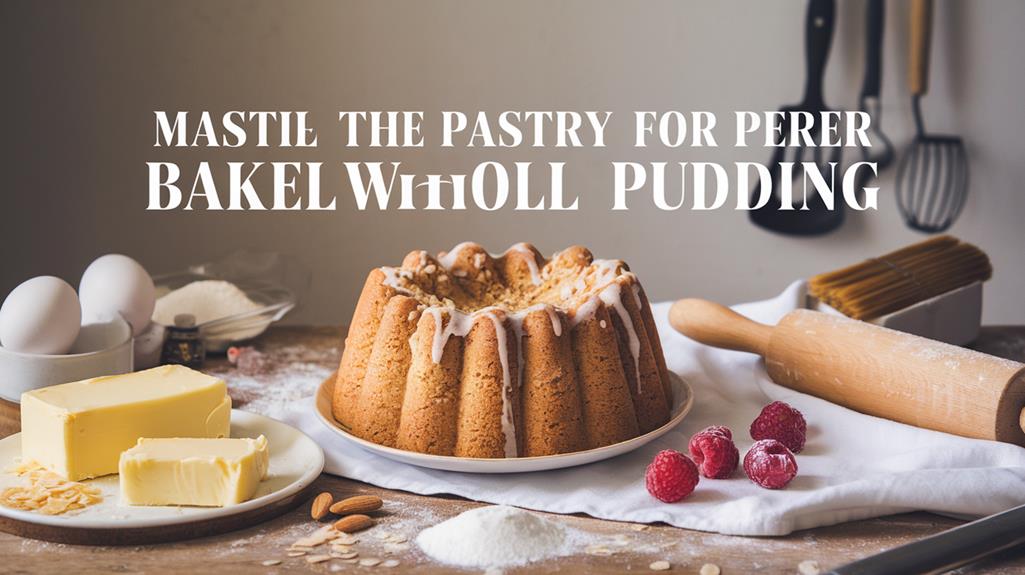
To create a flawless Bakewell pudding, the preparation of the pastry is essential. Using frozen all-butter puff pastry makes the process easier, but attention to detail is vital for a perfect base. Here's how to prepare the pastry:
- Thaw a 210g packet of frozen puff pastry until it reaches room temperature, allowing for easy handling.
- On a floured surface, roll out the pastry to a thickness of about 1/4 inch, ensuring it doesn't stick.
- Grease an 8-inch tart tin or shallow pie dish with butter, then carefully line it with the rolled pastry, pressing it gently into the edges.
- Chill the lined pastry in the refrigerator for approximately 20 minutes. This step helps firm up the pastry and maintains its shape during baking.
For a crisp base, blind bake the pastry. Cover it with parchment paper and add baking beads, then bake for 15 minutes.
Once the time's up, remove the weights and continue baking until golden. Following these steps guarantees a beautifully prepared pastry, setting the stage for the delicious almond filling to come.
Making the Almond Filling
The almond filling is an essential component of Bakewell pudding, contributing both flavor and texture to the dish. To create this delectable mixture, one begins by creaming together 60g of unsalted butter and 120g of caster sugar until the blend becomes pale and fluffy. This step is important, as it incorporates air, which lightens the filling.
Next, the recipe calls for gradually adding 3 medium beaten eggs, ensuring each addition is fully incorporated before introducing the next, resulting in a smooth, consistent mixture.
Once the eggs have been blended in, it's time to fold in 60g of ground almonds along with 3/4 teaspoon of almond extract. This combination enhances the nutty essence that defines the filling.
For an additional depth of flavor, a secret ingredient can be introduced—consider a pinch of nutmeg or a hint of grated lemon zest to elevate the taste profile.
Assembling the Pudding
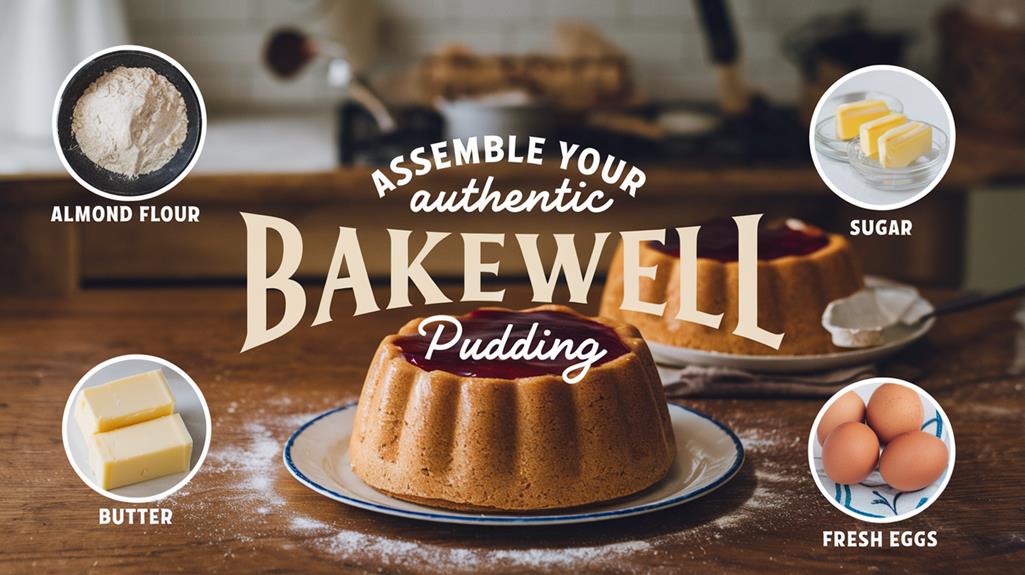
Assembling the Bakewell pudding begins with preparing the pastry base, which forms the foundation of this delightful dessert.
Once the pastry is in place, the next step involves carefully layering the filling to achieve the perfect balance of flavors.
Preparing the Pastry Base
A perfectly prepared pastry base sets the foundation for a delicious Bakewell pudding. To guarantee the pastry's success, follow these essential steps:
- Preheat your oven to 375°F (190°C). This crucial step gets the oven ready for baking once the pudding is assembled.
- Roll out 1 packet (approximately 544 grams) of thawed frozen puff pastry on a floured surface. Aim for a thickness of about 1/4 inch, guaranteeing an even layer for a crisp texture.
- Grease an 8-inch (20 cm) tart tin or shallow pie dish with butter. Line it with the rolled-out puff pastry, pressing it gently into the corners and sides for a flawless fit.
- Chill the lined pastry in the refrigerator for about 20 minutes. This chilling period helps the pastry maintain its shape during baking.
Once chilled, it's time to add a flavorful layer. Spread 4 tablespoons of quality strawberry jam evenly over the base of the pastry.
This fruity layer not only adds sweetness but also prepares the foundation for the rich custard filling that will follow.
Filling Assembly Techniques
Once the pastry base is ready, attention shifts to crafting the rich almond custard filling that elevates the Bakewell pudding.
To begin, preheat the oven to 200°C (400°F) to guarantee it's primed for the final bake. Next, the chef rolls out the thawed puff pastry to approximately 1/4-inch thickness, carefully lining a greased shallow pie dish. This creates a sturdy vessel for the delightful flavors to come.
The filling assembly techniques start with a generous layer of quality strawberry jam, about four tablespoons, spread evenly across the pastry base. This vibrant layer serves as a sweet foundation for the custard.
In a mixing bowl, the chef combines 120g of caster sugar, 60g of unsalted butter, three medium beaten eggs, and 60g of ground almonds. The mixture is beaten until smooth and well integrated, guaranteeing a harmonious blend of flavors.
Baking and Cooling Tips
Achieving the perfect Bakewell pudding requires careful attention during the baking and cooling process. To guarantee a delightful result, follow these essential tips:
- Roll out the puff pastry to about 1/4-inch thickness before lining your pie dish. This thickness provides an even base that cooks well.
- After spreading the jam on the pastry base, pour the almond filling gently over it. This helps prevent disturbing the jam layer underneath, preserving the harmonious flavor balance.
- Bake the assembled pudding at 200°C (400°F) for approximately 30 minutes. Watch for a golden top that's firm to the touch, signaling readiness.
- Once baked, allow the pudding to cool in the pie dish for at least 45 minutes. This cooling period is vital for proper setting and enhances the overall flavor.
For an elegant finish, just before serving, dust the cooled pudding with icing sugar. This not only adds a touch of sweetness but also elevates the presentation, making it a standout centerpiece for any gathering.
Baking Tips and Techniques
When it comes to baking Derbyshire Bakewell pudding, mastering a few key techniques can make all the difference. First and foremost, preheating the oven to 200°C (400°F) guarantees even baking and allows the pudding to rise properly.
For the pastry, roll it out to a thickness of about 1/4 inch; this thickness provides the ideal texture and layering that defines a great bakewell pudding.
An essential step in the process is to blind bake the pastry for 15 minutes. This technique helps prevent a soggy bottom, especially when using a wet jam.
Once the pastry has been baked, it's important to allow the pudding to cool in the dish for at least 45 minutes. This cooling period not only helps the pudding set properly but also enhances the flavors, making each slice even more delightful.
Lastly, don't hesitate to experiment with different jam flavors like raspberry or apricot. These variations can add a unique twist to the traditional Bakewell pudding, impressing your guests and elevating your baking repertoire.
Following these baking tips will surely lead to a stunning dessert worth sharing.
Serving Suggestions
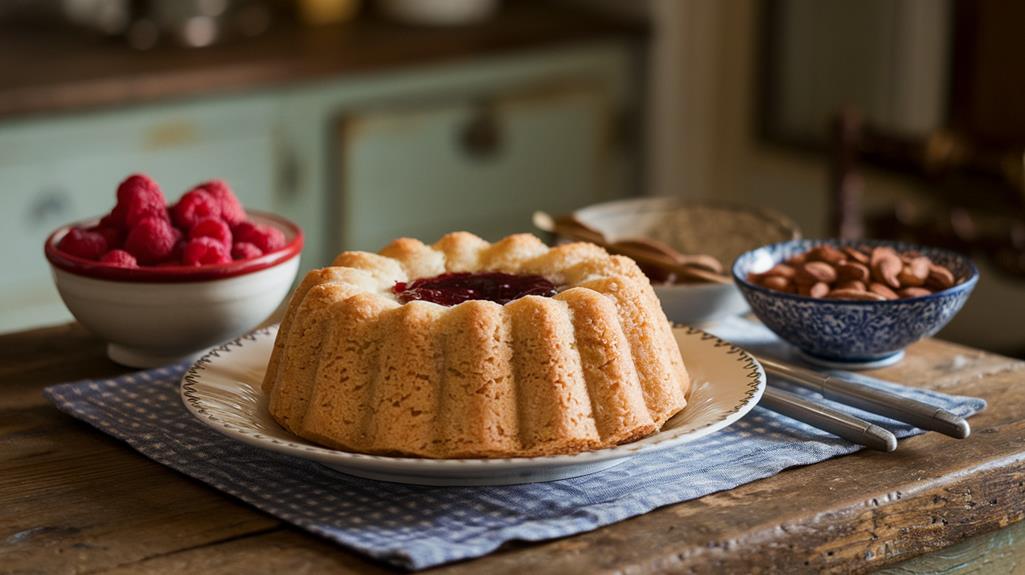
When serving Derbyshire Bakewell pudding, one can choose between warm, room temperature, or chilled options based on personal taste and the occasion.
To enhance the dessert experience, pairing it with clotted cream, custard, or vanilla ice cream elevates its flavor profile. A light dusting of icing sugar and toasted almond flakes can provide both visual appeal and a delightful crunch.
Ideal Serving Temperature
Serving Bakewell pudding at the right temperature is essential for maximizing its delightful flavors and textures. This beloved dessert can be enjoyed in various states, each offering a unique tasting experience:
- Served hot: Warm Bakewell pudding enhances its rich almond flavor and creamy texture, creating a comforting dessert ideal for chilly evenings.
- Room temperature: Allowing the pudding to cool fully enables the flavors to develop and the pudding to set properly, providing a balanced taste.
- Chilled: For a revitalizing twist, refrigerate the pudding for a couple of hours. This option works beautifully during warmer weather, offering a cool contrast to the sweet dessert.
- Presentation: A light dusting of icing sugar before serving not only elevates the dish's visual appeal but also adds a subtle sweetness that complements the pudding.
Regardless of the chosen temperature, pairing Bakewell pudding with clotted cream adds a luxurious element that enhances the overall experience.
Each serving method showcases the pudding's versatility, making it a delightful choice for any occasion.
Complementary Accompaniments
What enhances the experience of enjoying a slice of Bakewell pudding? The right accompaniments can elevate this dessert to new heights.
Pairing it with clotted cream introduces a luxurious, buttery texture that complements the pudding's rich flavors beautifully. A dollop of this thick cream brings a delightful contrast to the almond and fruit notes within the pudding.
Alternatively, a scoop of vanilla ice cream can add an extra layer of indulgence. The creamy, cool nature of the ice cream harmonizes with the warm pudding, creating a satisfying balance in temperature and taste.
For those seeking a lighter option, consider a drizzle of fresh custard, mindful that it might compete with the pudding's own custard topping.
To further enhance both flavor and presentation, sprinkle toasted almond flakes over the top just before serving. These crunchy morsels not only add visual appeal but also a nutty depth that complements the almond essence in the pudding.
A final touch, a light dusting of icing sugar, can brighten the dish, adding a subtle sweetness and making it even more inviting for guests.
Storage Tips
Storing Bakewell pudding properly is essential for maintaining its delightful texture and rich flavors. With a little care, you can guarantee that this classic treat stays fresh and enjoyable for days after baking. Here are some helpful storage tips:
- Cool Thoroughly: Allow the pudding to cool completely after baking, which helps the custard set and enhances flavor.
- Cover Well: Always store the pudding in an airtight container or cover it tightly with plastic wrap to prevent it from drying out.
- Room Temperature or Refrigerated: You can keep leftover pudding at room temperature for up to two days. For longer storage, refrigerate it, guaranteeing it's covered.
- Serving Suggestions: When ready to serve, consider a light dusting of icing sugar for added sweetness and visual appeal.
Pair it with clotted cream, custard, or vanilla ice cream for an elevated dining experience.
Storage and Freshness Tips
While Bakewell pudding is best enjoyed fresh, proper storage can help maintain its delightful flavor and texture. For ideal freshness, it's vital to allow the pudding to cool completely before placing it in storage. This step prevents excess moisture buildup, which can compromise its texture.
Bakewell pudding can be kept at room temperature for up to three days if it's covered. However, refrigeration is a better option, extending its freshness for up to a week. When refrigerating, make sure the pudding is wrapped in plastic wrap or stored in an airtight container. This prevents it from absorbing any unwanted odors from other foods in the fridge.
If you have leftovers and wish to enjoy them warm, gently reheat the pudding in a low oven, around 150°C (300°F), for 10-15 minutes. This method helps restore its delightful warmth and texture without compromising quality.
It's important to note that freezing Bakewell pudding isn't recommended, as it can lead to a rubbery egg custard filling upon thawing.
Common Questions
What's the Difference Between a Bakewell Pudding and a Bakewell Tart?
The difference between Bakewell pudding and Bakewell tart lies in their ingredients and textures.
Bakewell pudding boasts a light puff pastry base, filled with a creamy egg custard mixed with ground almonds, often topped with flaked almonds.
In contrast, Bakewell tart features a shortcrust pastry with a frangipane filling, which is almond-flavored but typically egg-free, and is often glazed with icing.
Both desserts highlight raspberry jam, yet their distinct characteristics cater to different tastes.
What Is a Traditional Bakewell?
A traditional Bakewell features a flaky puff pastry base, layered with a sweet jam, typically raspberry or strawberry, topped with a rich almond custard filling.
Unlike its tart counterpart, it showcases a custard made from eggs and ground almonds, enhancing its unique texture.
Typically served without icing, it allows the vibrant flavors of the jam and custard to take center stage, often accompanied by a drizzle of cream or custard for added indulgence.
What Makes a Bakewell a Bakewell?
A Bakewell is defined by its unique combination of puff pastry, rich egg custard, and a layer of fruit jam, typically strawberry or raspberry.
Unlike the iced Bakewell tart, it highlights the unadorned flavors of its core ingredients.
Its origins trace back to 19th century Derbyshire, where a cook's unintentional creation led to its distinction.
Authentic Bakewell requires high-quality components, ensuring a delightful balance of texture and taste that captivates those who indulge.
Is Bakewell Pudding Served Warm or Cold?
Notably, around 70% of people prefer their Bakewell pudding warm, as it amplifies the rich, buttery flavor and creamy texture.
When served warm, the pudding's custardy consistency becomes particularly inviting. However, chilling it allows for a firmer texture, making it easier to slice.
Regardless of temperature, it's common for diners to pair Bakewell pudding with cream, custard, or ice cream, enhancing the dessert's indulgent nature and versatility in presentation.
Wrapping Up
To summarize, mastering the art of authentic Derbyshire Bakewell pudding involves embracing tradition, refining techniques, and savoring flavors. By preparing the pastry with care, assembling the layers with precision, and baking to golden perfection, one can create a delightful dessert that pays homage to its rich history. Whether enjoyed warm with clotted cream or chilled alongside vanilla ice cream, this classic treat promises to satisfy cravings and elevate any occasion with its charming presence and exquisite taste.