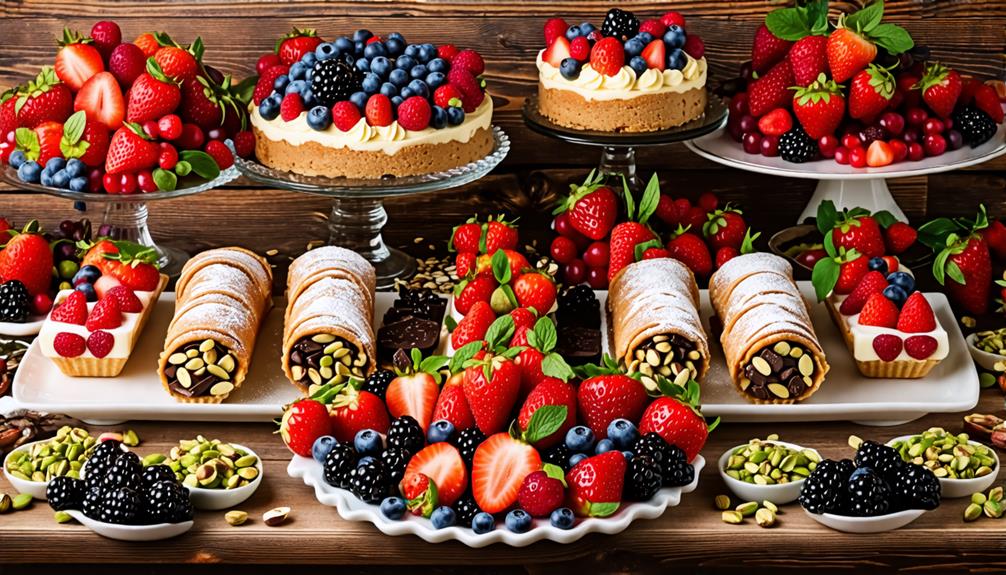
When it comes to crafting perfect Italian desserts for celebrations, one can't overlook the importance of quality ingredients and essential techniques. It's vital to focus on seasonal flavors and artistic presentation to truly impress guests. Additionally, considering dietary restrictions can elevate the experience, ensuring everyone feels included. By embracing unique combinations and regional specialties, a dessert table can transform into a remarkable centerpiece. However, the real question remains: what specific tips can take these desserts from good to unforgettable? The answer lies in mastering the art of Italian confectionery.
Need cookware for your meal? Toolbox, a Pear to Pear rental marketplace, might be worth a look.
Quick Takeaways
- Use high-quality, fresh ingredients to enhance the flavor and texture of Italian desserts.
- Master essential techniques like chilling and layering for improved dessert quality.
- Focus on seasonal flavors to create vibrant and fresh dessert options.
- Elevate presentation with elegant serving pieces and artistic plating styles.
- Consider dietary needs by offering gluten-free, dairy-free, and reduced-sugar dessert options.
Choose Quality Ingredients
When it comes to creating unforgettable Italian desserts for celebrations, choosing quality ingredients can make all the difference. For instance, using fresh ricotta cheese in cannoli transforms an ordinary dessert into a creamy, delightful experience that melts in the mouth. This light texture enhances the richness of the filling, making each bite a celebration itself.
Opting for high-quality mascarpone cheese in tiramisu elevates the creaminess and flavor profile, ensuring guests savor every layer of this classic treat. Additionally, selecting premium dark chocolate with at least 70% cocoa for panna cotta or torta della nonna introduces depth and complexity that truly captivates the palate.
Don't overlook the importance of organic and seasonal fruits like strawberries, which not only brighten the presentation but also enhance the dessert's freshness and flavor.
Master Essential Techniques
Mastering essential techniques is key to elevating Italian desserts to a level that captivates both the eye and the palate.
Chilling desserts like Tiramisu and Panna Cotta is essential; both require several hours in the refrigerator to allow flavors to meld and firm up perfectly. This patience pays off with a creamy ricotta texture that delights every bite.
Layering techniques come into play when assembling desserts, such as parfaits or layered cakes, ensuring each layer is evenly distributed for a stunning presentation. High-quality ingredients, such as fresh mascarpone for Tiramisu, enhance flavors, making the sweet treats truly unforgettable.
Precision is critical in whipping creams and mousses; mastering these techniques results in lightness and texture, particularly in Mousse al Cioccolato.
Understanding baking times and temperatures is equally important for baked desserts like Torta Caprese and Panettone, ensuring they cook perfectly and maintain their intended flavors.
Focus on Seasonal Flavors
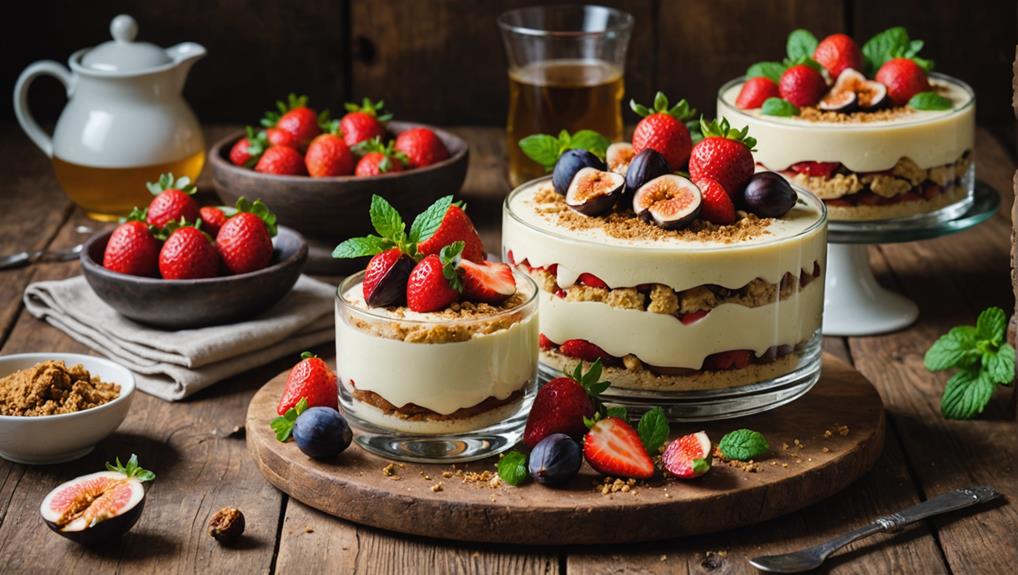
Seasonal flavors play a pivotal role in crafting Italian desserts that not only celebrate the changing months but also highlight the freshest ingredients available.
In summer, desserts like Panna Cotta shine with the inclusion of seasonal fruits such as strawberries, offering a light, revitalizing taste. As autumn approaches, figs make a delightful addition to Crostata, enhancing its depth and flavor.
Spring brings a burst of brightness with the zesty addition of lemon zest in Tiramisu and Ricotta Cheesecake. This invigorating touch complements the season, making each bite a vibrant experience.
Winter calls for a different approach, inviting rich flavors from nuts like chestnuts in Tuscan Castagnaccio or hazelnuts in festive Panettone, creating warmth and comfort.
To further embrace seasonality, one can incorporate spices like cinnamon and nutmeg in Apple Crostata during autumn, evoking the cozy essence of the season.
The key to perfect Italian desserts lies in this celebration of seasonal ingredients, ensuring every bite resonates with the time of year and offers diners a truly exquisite experience.
Elevate Presentation Skills
To truly impress at celebrations, one must master the art of presentation when serving Italian desserts.
Using elegant glassware and individual serving dishes transforms treats like panna cotta and mousse into stunning focal points, while thoughtful garnishes and artistic plating elevate their visual appeal.
With a keen eye for detail, each dessert becomes not just a dish, but a vibrant centerpiece that invites indulgence.
Elegant Serving Dishes
Creating a visually stunning dessert table is essential for any celebration, and elegant serving dishes play a pivotal role in this artistry. Using elegant glassware, like parfait cups or stemmed dessert glasses, elevates desserts such as tiramisu and panna cotta, allowing their beautiful layers to shine through. The translucent quality of these containers enhances the visual appeal, inviting guests to indulge.
Incorporating decorative platters and cake stands adds height and drama, transforming treats like panettone or crostata into enchanting centerpieces. Individual serving dishes, perfect for gelato or budino, not only offer guests their own portions but also contribute to an elegant dining atmosphere.
For a cohesive look, consider thematic serving pieces that reflect Italian heritage. Rustic wooden boards for pastries or ornate ceramic dishes for traditional sweets can tie the entire display together beautifully.
Creative Garnishing Techniques
Five creative garnishing techniques can transform a simple Italian dessert into a stunning visual masterpiece. First, incorporating edible flowers like violets or nasturtiums adds a touch of color and elegance, enhancing the dessert's allure while remaining safe to eat.
Next, artfully drizzling berry or chocolate sauces over the plate creates a beautiful contrast, guiding the eye toward the dessert and inviting guests to indulge.
In addition to flowers and sauces, fresh herbs such as mint or basil introduce unexpected flavor notes and a vibrant pop of green, complementing the dessert's primary tastes.
For added texture, crushed nuts, chocolate shavings, or caramel shards can be sprinkled on top, creating visual interest and enhancing the overall tasting experience.
Lastly, serving desserts in elegant glassware or on decorative plates can elevate the presentation remarkably. Layering elements or varying heights not only captures attention but also adds an artistic flair.
Artistic Plating Styles
Elevating the presentation of Italian desserts not only captivates the eye but also enhances the overall dining experience. By focusing on artistic plating styles, one can transform a simple dessert into a stunning centerpiece. Utilizing contrasting colors, such as pairing a rich chocolate dessert with a vibrant fruit coulis, creates visual interest that draws guests in.
- Incorporate height by stacking elements like tiramisu layers or a tower of panna cotta, adding sophistication.
- Garnish with fresh herbs, edible flowers, or finely grated citrus zest for texture and vibrant color.
- Use a squeeze bottle or piping bag to create artistic drizzles or dots of sauces around the plate, guiding the viewer's eye.
- Present desserts in elegant glassware or individual portions, allowing guests to appreciate both the taste and the beauty of the creation.
These techniques not only elevate the dessert but also make the experience memorable. A well-plated dessert invites admiration, creating anticipation before the first bite.
With a little creativity and attention to detail, anyone can master the art of dessert presentation, ensuring that celebrations truly shine.
Experiment With Unique Combinations
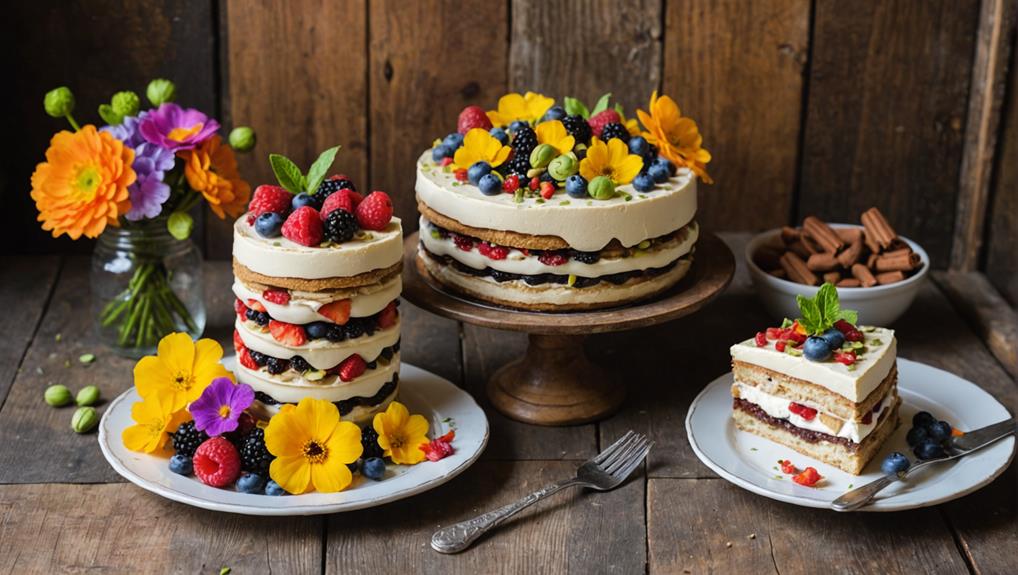
When it comes to celebrating with Italian desserts, there's a world of flavor waiting to be explored. By experimenting with unique combinations, one can elevate traditional Italian sweets to new heights.
For instance, a cheesecake infused with zesty lemon and creamy ricotta offers a revitalizing twist that enhances the dessert's lightness and tanginess, making it a perfect centerpiece.
Another delightful option is Torta della Nonna, where incorporating rich chocolate and bright orange zest creates a harmonious balance between sweetness and citrus. Seasonal fruits like figs or berries can transform a rustic crostata into a vibrant masterpiece, showcasing the freshness of the ingredients while adding a splash of color to the table.
Flavored liqueurs such as amaretto or limoncello can also elevate classics like panna cotta or tiramisu, introducing depth and unique aromatic profiles.
For a fun twist, layering gelato with fruit compote and crushed biscotti creates a delightful contrast in texture, providing an Italian flair reminiscent of a parfait.
Prepare Make-Ahead Options
How can you guarantee that your celebration runs smoothly while still delighting guests with exquisite Italian desserts? By preparing make-ahead options, you can assure a seamless experience that allows you to mingle with your guests rather than be stuck in the kitchen.
Here are some delightful choices to take into account:
- Panna Cotta: This creamy treat sets beautifully in the fridge and can be made up to two days in advance, enhancing its flavors.
- Tiramisu: Assemble this classic dessert a day before serving; an overnight chill melds the coffee and mascarpone, creating a divine richness.
- Semifreddo: This semi-frozen indulgence can be prepared days ahead. Simply store it in the freezer until it's time to serve, perfect for larger gatherings.
- Chocolate Mousse: Whip it up hours in advance and refrigerate. Its airy texture remains intact while you focus on your guests.
With these make-ahead options, you can create a stunning dessert table that showcases the best of Italian sweets, all while enjoying the celebration alongside your loved ones.
Consider Dietary Restrictions
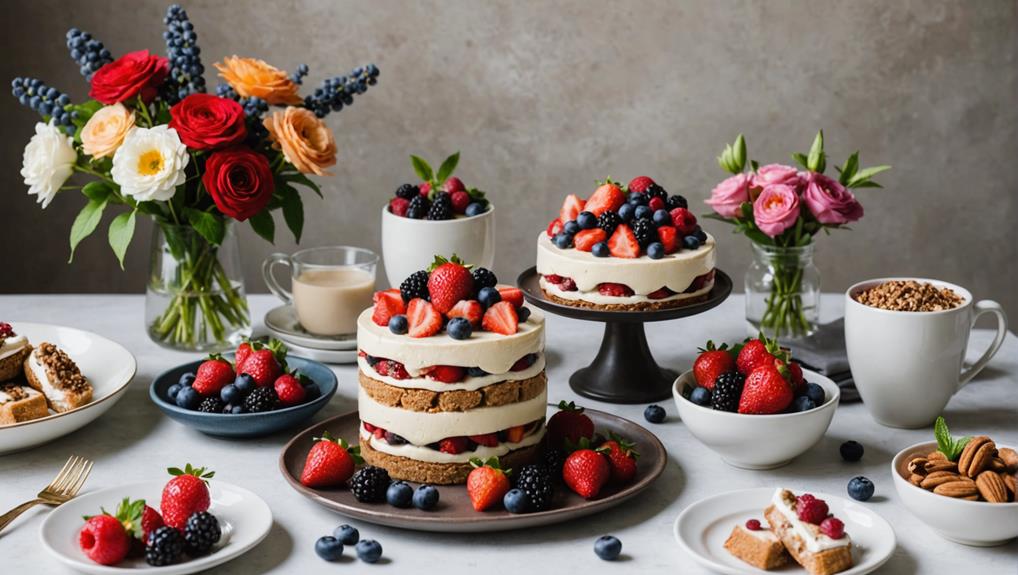
Celebrations are all about inclusivity, and that extends to the dessert table. To guarantee every guest feels welcome, it's vital to take dietary restrictions into account when planning Italian desserts. Offering gluten-free options, like panna cotta or flourless chocolate cake, can accommodate those with gluten sensitivities or celiac disease. These indulgent treats remain delicious while allowing everyone to partake in the festivities.
Dairy-free choices, such as a rich mousse made from plant-based ingredients, cater to lactose-intolerant attendees or those following vegan diets. This thoughtful inclusion guarantees that no one feels left out.
Additionally, incorporating reduced-sugar desserts, like fruit parfaits with Greek yogurt, provides a delightful alternative for guests managing diabetes or watching their sugar intake. Awareness of nut allergies is significant, too. By labeling desserts that contain nuts, such as biscotti or some cakes, and offering nut-free options, hosts can help prevent any allergic reactions.
Moreover, fruit-based desserts like sorbet or granita not only refresh the palate but also accommodate various dietary needs. By thoughtfully taking these options into account, hosts create an inviting atmosphere where everyone can savor the sweet moments together.
Pair With Complementary Beverages
When celebrating with Italian desserts, the right beverage can elevate the experience to new heights.
Pairing rich tiramisu with a bold espresso accentuates its coffee essence, while a light limoncello spritz refreshes the palate after indulging in creamy gelato.
Seasonal drink choices, like a fruity Moscato with panna cotta, add an extra layer of delight to any festive occasion.
Ideal Beverage Pairings
Pairing Italian desserts with the right beverages can elevate the dining experience, turning a simple meal into a memorable occasion. Thoughtfully chosen drinks can accentuate flavors, creating a harmonious balance that delights the palate.
- Tiramisu: A rich espresso or sweet Vin Santo enhances its coffee notes and creamy texture.
- Panna Cotta: Light dessert wine or fresh fruit coulis complements its creamy taste, offering a revitalizing contrast.
- Cannoli: A glass of Amaretto perfectly accents the sweet ricotta filling and crispy shell with delightful almond undertones.
- Gelato: Pairing with limoncello acts as a rejuvenating palate cleanser, especially during warm gatherings, as the citrus adds brightness.
These ideal beverage pairings not only showcase the beauty of Italian desserts but also make the dining experience more enjoyable for guests.
Whether hosting a celebration or an intimate gathering, selecting the right drink can enhance the flavors of each dessert.
Seasonal Drink Suggestions
As the seasons change, so do the flavors and experiences that accompany beloved Italian desserts. To elevate these sweet creations, pairing them with the right beverages can make all the difference.
For a classic Tiramisu, a rich espresso harmonizes beautifully, enhancing its coffee notes while creating a delightful balance.
Panna Cotta finds its perfect match in a revitalizing fruit coulis or a sweet dessert wine like Moscato, which adds a fruity contrast to its creamy texture.
Cannoli, with their sweet ricotta filling and crispy shells, shine alongside a glass of Vin Santo, a dessert wine that amplifies their indulgent flavors.
On warm days, Gelato pairs wonderfully with Limoncello, offering a zesty and invigorating experience that's hard to resist.
Seasonal desserts like Crostata, brimming with fresh fruits, benefit from herbal teas or light sparkling wines, which enhance their flavors without overshadowing them.
Embrace Regional Specialties
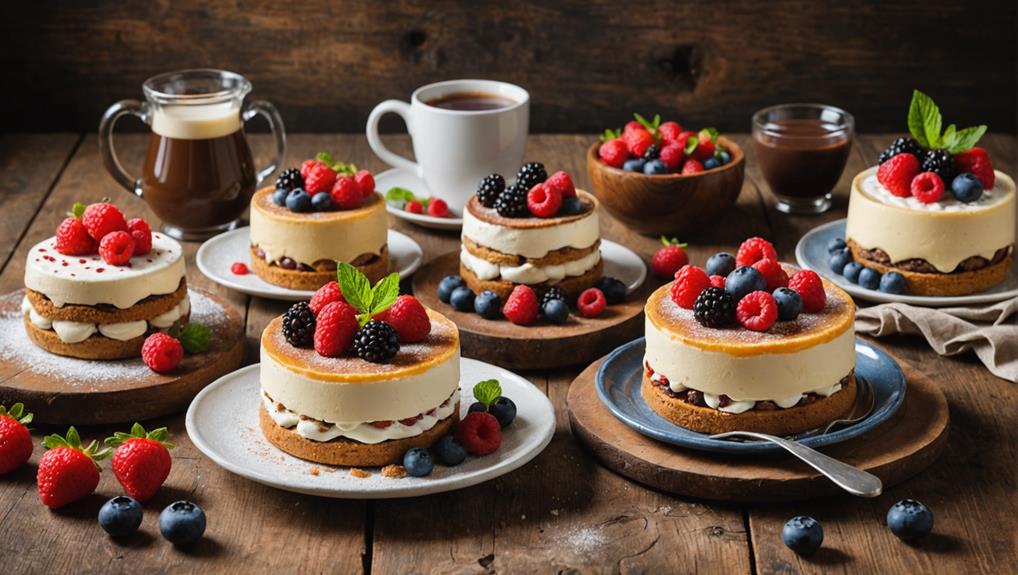
Celebrating with Italian desserts is an invitation to explore the rich tapestry of regional specialties that define the country's culinary landscape. Each dessert tells a story of local ingredients and time-honored traditions, perfect for sharing during festive occasions.
By embracing these diverse flavors, hosts can create a memorable celebration that honors Italy's heritage.
- Sicilian Cassata: A lavish cake layered with traditional custard, ricotta, and marzipan, reflecting Sicily's sweet history.
- Neapolitan Pastiera: A delightful ricotta and wheat pie, traditionally served at Easter, capturing the essence of Naples.
- Venetian Baicoli: Crisp cookies designed to complement dessert wines, showcasing the refined tastes of the Veneto region.
- Roman Maritozzo: A sweet bun filled with whipped cream, a beloved treat in Rome, often enjoyed during festive gatherings.
Incorporating these Italian pastries into celebrations not only delights the palate but also sparks conversation about their unique origins.
Celebrate With Traditional Favorites
There's something undeniably enchanting about traditional Italian desserts that makes them a staple at celebrations. Tiramisu, with its luxurious layers of coffee-soaked ladyfingers and creamy mascarpone, is often the centerpiece of romantic gatherings. This decadent dessert, whose name translates to "pick me up," not only invigorates the palate but also evokes warmth and intimacy, making it a beloved choice for any festive occasion.
Cannoli, hailing from Sicily, bring a delightful crunch to the dessert table. These crispy pastry shells filled with sweet ricotta cream can be customized with a variety of fillings and toppings, allowing hosts to showcase their creativity and cater to guests' tastes.
During the holiday season, panettone takes center stage. This traditional sweet bread loaf, studded with candied fruits, embodies the spirit of Christmas and New Year celebrations. Its rich flavor and airy texture make it perfect for sharing, whether enjoyed plain or paired with a glass of wine.
Incorporating these timeless Italian desserts into celebrations not only enhances the feast but also honors the rich culinary heritage of Italy, creating unforgettable moments for all.
Common Questions
What Is the Number One Italian Dessert?
The number one Italian dessert, Tiramisu, captivates dessert lovers with its rich layers of coffee-soaked ladyfingers and creamy mascarpone. Its delightful blend of flavors and textures makes it a cherished favorite in restaurants worldwide.
What Is the Traditional Dessert of Italy?
In Italy, traditional desserts vary beautifully by region. Tiramisu's creamy richness contrasts with Cannoli's crispy delight, while Panettone offers a festive sweetness, each treat celebrating local flavors and customs that charm every gathering.
What Sweet Treat Is Traditionally Eaten in Italy at Christmas?
During Christmas, Italians savor panettone, a delightful sweet bread loaf filled with candied fruits and raisins. Its tall dome shape and festive charm make it a beloved centerpiece for holiday gatherings, inviting warmth and joy.
Why Are Italian Desserts so Good?
Why are Italian desserts so irresistible? Their rich flavors, creamy textures, and fresh, high-quality ingredients create an unforgettable experience. Each bite transports enthusiasts to Italy, where tradition and passion blend seamlessly into every delightful treat.
Wrapping Up
In crafting the perfect Italian desserts for celebrations, attention to detail transforms the ordinary into the extraordinary. Using high-quality ingredients and embracing seasonal flavors not only enhances taste but also elevates the overall experience. Curiously, studies show that over 70% of people appreciate desserts that reflect local traditions, making regional specialties a delightful addition to any dessert table. With thoughtful pairing and beautiful presentation, these desserts become memorable highlights, ensuring every celebration is sweetly unforgettable.