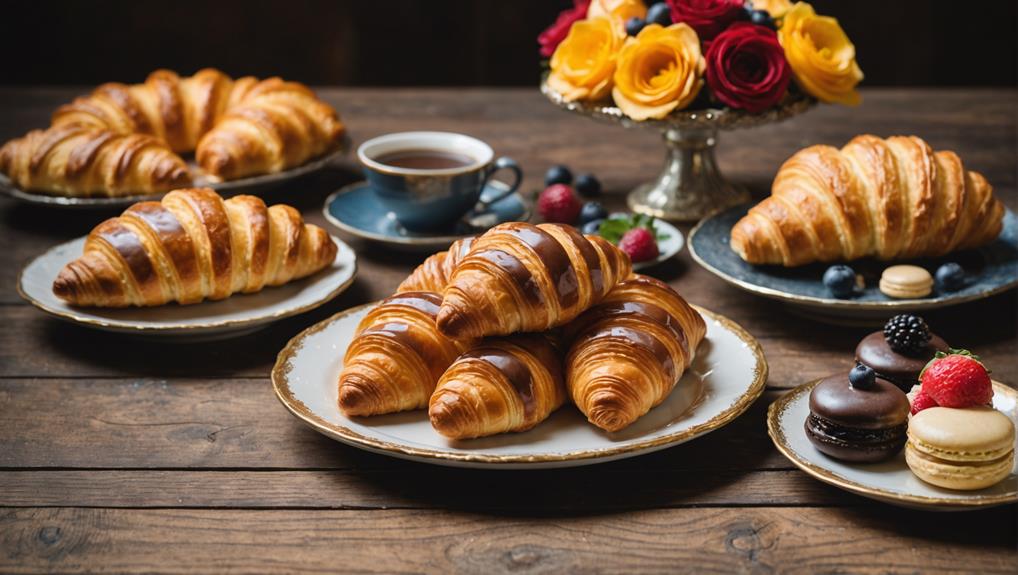
You might say that initiating a journey to master classic French pastry techniques is like opening a treasure chest filled with timeless culinary wisdom. By honing these essential skills, you're not just baking; you're laying the groundwork for a lifetime of culinary exploration and creativity. Understanding these foundational methods can transform your approach to both classic and modern recipes, but what specific techniques can elevate your baking to new heights?
Need cookware for your meal? Toolbox, a Pear to Pear rental marketplace, might be worth a look.
Quick Takeaways
- Mastering classic French pastry techniques enhances your baking repertoire, allowing for the creation of a wider variety of pastries.
- Understanding dough types and their unique characteristics improves texture and flavor, leading to more successful outcomes in baking.
- Precision in measurements and temperatures is crucial, ensuring consistency and reliability in your pastry creations.
- Developing skills in essential techniques like macaronage and lamination elevates your overall baking confidence and capability.
Fundamental Doughs
When diving into the world of French pastry, mastering fundamental doughs like pâte à choux, pâte brisée, and pâte sucrée is your key to accessing a treasure trove of delectable creations. Each dough offers unique characteristics that elevate your baking skills.
Pâte à choux, for instance, puffs up beautifully in the oven, creating airy delights perfect for éclairs and profiteroles.
On the other hand, pâte brisée forms the foundation for tarts with its tender, flaky layers that melt in your mouth. This dough requires resting, allowing gluten to relax, which greatly improves the texture and flakiness of your baked goods.
Pâte sucrée, with its sweet flavor, serves as an exquisite base for desserts like fruit tarts and creamy fillings. By understanding the intricacies of these pastry doughs, you'll not only enhance your baking repertoire but also gain the confidence to tackle more complex creations.
Mastering classic techniques guarantees that every pastry you serve is a delightful experience for your guests, showcasing your dedication to the art of French pastry. Embrace the journey and let these foundational doughs inspire your culinary creativity!
Quality Ingredients
Mastering French pastry techniques not only relies on skillful dough preparation but also hinges on the quality of your ingredients, which can greatly influence the flavor and texture of your creations.
Using high-quality butter is essential for achieving that rich flavor and flakiness in pastries like croissants and pâte brisée. Fresh eggs are your allies too; they enhance emulsification and structure, elevating the texture of custards and creams in delights like éclairs and crèmes brûlées.
The choice of flour matters greatly. Opt for pastry flour to achieve a tender texture in tarts, while all-purpose flour can provide the necessary gluten structure for croissants.
When it comes to chocolate, investing in superior chocolate, such as couverture, not only enhances taste but also adds an enticing gloss to your glazes and ganaches, perfect for macarons.
Importance of Precision
When you're crafting French pastries, every gram and degree matters.
Accurate measurements and precise temperature control are the backbone of your success, as even minor missteps can alter texture and flavor dramatically.
Embracing this precision transforms your baking from a simple task into an art form, ensuring each creation is as delightful as the last.
Accurate Measurements Matter
In the delicate art of pastry making, precise measurements serve as the backbone of your culinary creations, with even the slightest miscalculation threatening to unravel the intended texture and flavor. To achieve the perfect classic French pastries, accurate measurement is non-negotiable. Utilizing a kitchen scale to weigh your ingredients guarantees consistency, allowing you to replicate those delightful treats time and time again.
Each ingredient plays a vital role, and precision is key—too much flour can lead to a dense pastry, while too little can result in collapse. Your attention to detail matters, especially in techniques like folding and whipping, where the right balance can elevate your macarons and soufflés into airy masterpieces.
Moreover, monitoring baking temperatures with a thermometer is essential; the ideal heat directly impacts the rise and browning of your pastries. This level of precision builds a strong foundation for your skills, paving the way for exploring more complex recipes and techniques in the future.
Embrace the discipline of accurate measurements, and you'll transform your passion into beautiful pastries that not only taste divine but also delight those you serve.
Temperature Control Essentials
Controlling temperature with precision is fundamental in pastry making, as even minor fluctuations can disrupt the delicate balance of textures and flavors you aim to achieve.
Accurate temperature control guarantees that your pastries rise beautifully, develop the right crumb, and maintain their intended taste.
For instance, when making pâte brisée, using cold butter at the correct ingredient temperature creates those flaky layers that delight your guests. Conversely, if your butter is too warm, the pastry can become dense and uninviting.
Similarly, when proofing dough for croissants, maintaining a controlled environment is essential; too warm, and your layers might collapse, too cold, and they won't rise properly.
An oven thermometer is your best friend here. It assures that your baking temperature is spot-on, preventing the disaster of underbaked macarons or overbaked éclairs.
Also, when tempering chocolate, the right ingredient temperatures are crucial for that glossy finish and smooth texture.
Essential Techniques
Mastering essential techniques like pâte brisée and pâte à choux is essential for any baker aiming to elevate their French pastry skills and create an array of delightful treats.
With pâte brisée, you'll learn to work with cold butter, flour, and salt, mixing them just right to achieve that perfect flaky texture. This technique forms the backbone of tarts and pies, giving you a solid base to impress your guests.
Then there's pâte à choux, the foundation for airy éclairs and cream puffs. Here, proper mixing and cooking are key to creating a dough that expands beautifully in the oven.
You'll also want to explore the lamination process, important for crafting flaky croissants that are a joy to bite into. This technique involves folding and turning the dough multiple times to build those signature layers.
Iconic Pastry Recipes
A selection of iconic French pastry recipes awaits your exploration, each offering unique techniques and flavors that can transform your baking repertoire. Immerse yourself in the world of classic French pastries, where you'll discover the delicate textures of éclairs, filled with rich pastry cream and topped with glossy chocolate glaze. This balance of crisp shell and smooth filling is a hallmark of French pastry mastery.
Next, try your hand at Tarte Tatin, an upside-down apple tart that showcases caramelization's magic alongside buttery puff pastry. The sweet, gooey apples become a showstopper on any dessert table.
For a challenge, master the delicate macaronage technique for macarons, where you'll fold almond flour and meringue to create airy shells ready for delightful flavor combinations in their fillings.
Lastly, indulge in crème brûlée, a creamy custard with a perfectly caramelized sugar topping. Precision in temperature during baking and torching is essential to achieve that iconic crack.
These iconic pastry recipes not only elevate your skill set but also offer a delightful way to impress and serve others with delicious French pastries that evoke joy and admiration.
Crafting Croissants and Macarons
As you roll out your dough for croissants, each fold and turn transforms it into a flaky masterpiece, demanding your precision and patience.
When crafting macarons, the macaronage technique is essential for achieving that signature smooth surface and perfect feet.
Master these techniques, and you'll elevate your pastry skills to new heights.
Croissant Folding Techniques
Croissant folding techniques transform simple dough into layers of buttery, flaky perfection through careful rolling, chilling, and shaping. To begin, you'll need chilled butter—the key to achieving those coveted flaky layers. Start by placing the butter between two sheets of parchment and pound it gently with a rolling pin until it's pliable but still cold. Next, roll out your dough into a rectangle, enclosing the butter within.
The croissant folding technique involves a series of folds, typically three to four, with a quarter turn of the dough after each. This guarantees even distribution of the butter, creating the necessary layers for that light and airy texture. Remember to chill the dough for at least 30 minutes after each fold; this relaxes the gluten and maintains flakiness.
When shaping your croissants, cut the dough into triangles with a base of 10-12 cm and roll them tightly from the base to the tip. Proper proofing is vital too—let your shaped croissants rise at room temperature for 2-3 hours until they double in size. This step is essential for achieving that delightful, airy bite.
Enjoy the process, and soon you'll be serving up croissants that impress!
Macaron Shell Perfection
Mastering macaron shell perfection hinges on balancing the delicate interplay of ingredients and technique, turning simple components into exquisite confections that showcase your pastry prowess.
To create those coveted macaron shells, start with a precise ratio of 120g almond flour and 200g powdered sugar, mixed with 100g aged egg whites for stability. The magic lies in the macaronage technique; gently fold the dry ingredients into the meringue until the batter flows like lava, ensuring a smooth consistency that promises the perfect ‘feet' during baking.
Once you've piped uniform circles onto parchment paper, let the macaron shells rest for 30 minutes. This vital step allows a skin to form, preventing cracks and ensuring they rise beautifully. Bake at 150°C (300°F) for 15-18 minutes, and you'll achieve a crisp exterior while maintaining that soft, chewy interior.
For a delightful finish, consider filling your macarons with a luscious ganache made from 150g of chocolate and 150ml of heavy cream. Heat until simmering, pour over the chocolate, and let it cool to thicken.
With these techniques, you're well on your way to mastering the art of macarons, impressing everyone with your delicate flavors.
Baking Techniques
To create exquisite French pastries, you'll need to hone essential baking techniques that elevate your skills and guarantee perfect textures. Mastering methods like folding, creaming, and whipping is critical for achieving those light textures that make pastries like éclairs and croissants irresistible.
The lamination process in pâte feuilletée, which involves rolling and folding dough with layers of butter, is key for crafting the flaky layers that define puff pastries. Precision is key, especially when it comes to temperature control during chocolate tempering, ensuring your pastries shine with a glossy finish.
Don't overlook macaronage, a technique that requires careful folding of dry ingredients into meringue to produce smooth, stable shells for macarons. This technique highlights the importance of consistency and skill in your baking repertoire.
Resting doughs, such as pâte brisée, allows gluten to relax, resulting in a flakier texture and showcasing how meticulous techniques impact the quality of your final product. By mastering these baking techniques, you not only enhance your creations but also bring joy to those you serve, transforming ordinary ingredients into extraordinary delights.
Modern Twists
While honoring traditional techniques, innovative pastry chefs are reimagining French classics by infusing them with unexpected flavors and contemporary presentations that delight the senses.
Picture lavender-infused macarons or matcha croissants, where classic recipes embrace modern twists that surprise and excite the palate. By incorporating seasonal ingredients like fresh berries or herbs, you can elevate your pastries, creating a harmonious blend that resonates with today's tastes.
Utilizing alternative flours such as almond or coconut not only caters to gluten-free diets but also maintains the essence of traditional pastries, widening your audience.
As you explore creative presentations, think of deconstructed éclairs or layered croissant cakes that transform classic desserts into visually stunning works of art, perfect for impressing guests.
Experimenting with textures is key too; adding a crunchy element to smooth éclairs or incorporating airy meringue into classic tarts allows you to innovate while respecting the foundational techniques.
These modern twists invite you to push boundaries and inspire others, serving not just a dessert but a memorable experience that showcases your culinary creativity and passion for classic French pastry.
Global Influence
The influence of French pastry techniques extends far beyond the borders of France, inspiring bakers worldwide to adopt and adapt these refined methods into their own culinary traditions. These techniques aren't just about following recipes; they embody a philosophy of precision and artistry.
From the delicate layers of a croissant achieved through lamination to the airy textures of pâte à choux, these traditional French recipes introduce you to exquisite flavors that elevate any dessert.
As an aspiring pastry chef, mastering these techniques is essential for meeting global baking standards. The rise of artisan bakeries across the United States, Japan, and Australia showcases how these classic methods can blend harmoniously with local ingredients, creating unique fusions that delight the palate.
Social media platforms have amplified this influence, allowing you to share your creations and learn from others in the community.
International pastry competitions, like the Coupe du Monde de la Pâtisserie, highlight the universal appreciation for these skills, fostering a culinary exchange that enriches the art of baking.
With online courses readily available, you can hone these techniques every aspiring baker should know, ensuring your pastries are a celebration of both tradition and innovation.
Common Questions
What Makes French Pastry Special?
French pastry's special because it combines precision, high-quality ingredients, and timeless techniques. You create delicate textures and exquisite flavors, transforming simple components into elegant desserts that delight and impress everyone you serve. It's pure artistry!
Why Is French Pastry the Best?
French pastry's finesse captivates you with its intricate textures and bold flavors. Each bite mirrors artistry, from flaky croissants to rich éclairs, showcasing a dedication to quality and technique that elevates your baking to new heights.
What Is Classic French Pastry?
Classic French pastry encompasses traditional delights like croissants, éclairs, and macarons, showcasing precise techniques and high-quality ingredients. Mastering these recipes allows you to serve beautifully crafted treats that impress and satisfy your guests' palates.
What Is the French Method of Pastry?
Ever wonder how those delicate pastries achieve their perfect flakiness? The French method demands precision in measurements, mastering doughs, and understanding ingredient interactions, all while focusing on techniques that elevate your baking to an art form.
Wrapping Up
Mastering classic French pastry techniques not only equips you with essential skills but also opens doors to endless creativity in baking.
Each technique you learn, from the delicate folding of croissant dough to the precise whipping of meringue, reinforces the idea that baking is both an art and a science.
As you experiment with these foundational methods, you'll discover the joy of transforming simple ingredients into extraordinary pastries, proving that tradition can inspire innovation in your kitchen.