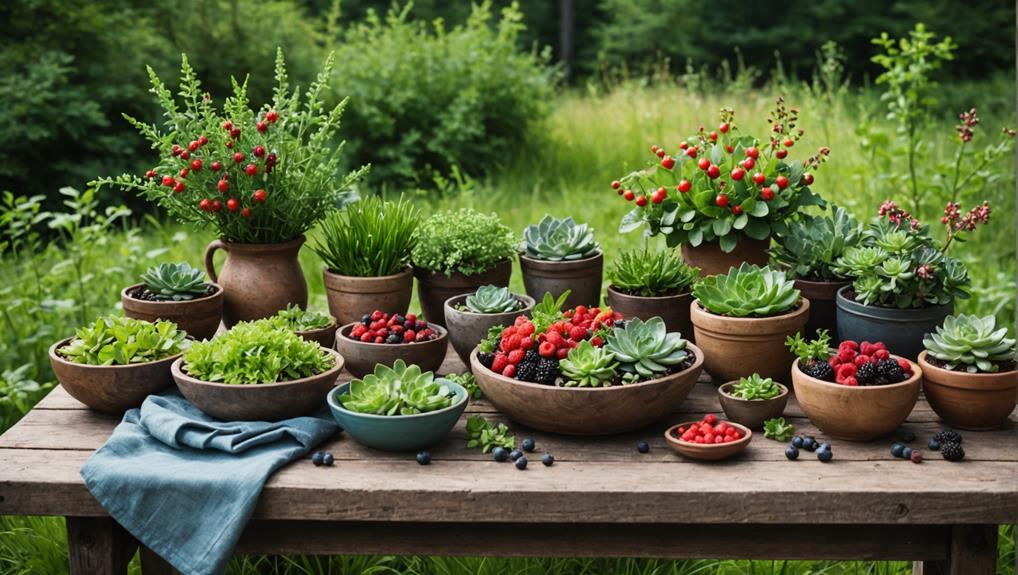
Using wild herbs and berries in Nordic cuisine can really enhance your dishes, but it's important to approach it with care. You'll want to start by identifying which herbs and berries are safe and suitable for your meals, as well as understanding local foraging practices. Once you've got that down, the fun begins with preparation and experimentation. Imagine transforming a simple soup or dessert with just the right wild ingredient. Curious about how to make the most of these seasonal treasures? There's more to explore that could elevate your culinary skills greatly.
Need cookware for your meal? Toolbox, a Pear to Pear rental marketplace, might be worth a look.
Quick Takeaways
- Experiment with wild garlic in pesto for a flavorful, anti-inflammatory boost in your dishes.
- Incorporate stinging nettles into soups for a nutrient-rich ingredient that adds depth and flavor.
- Use spruce tips in pickles or syrups to introduce a unique citrusy note to desserts.
- Pair tart lingonberries with game meats to enhance rich flavors and add a refreshing element.
Understanding Local Foraging Practices
In Sweden, the joy of foraging wild herbs and berries is deeply rooted in tradition, thanks to Allemansrätten, which gives you the freedom to explore forests and meadows while respecting nature's bounty. This practice allows you to connect with the land, discovering edible plants like lingonberries and spruce tips that burst with flavor and potential culinary delights.
As you set out on your foraging adventures, it's crucial to embrace local practices. Always carry the right tools, such as scissors and baskets, to guarantee you collect wild herbs respectfully and sustainably. This not only promotes plant recovery but also helps preserve the ecosystem.
During the summer months, when the midnight sun bathes the landscape in light, foraging becomes particularly rewarding. You'll find an abundance of wild edibles at your fingertips. However, remember that safety is paramount; never forage alone if you're unsure of a plant's identity.
Utilize local apps and guides to enhance your knowledge and confidence. By understanding these local foraging practices, you'll not only enrich your culinary endeavors but also cultivate a deeper appreciation for Sweden's natural treasures.
Identifying Edible Wild Plants
As you embrace the art of foraging, recognizing edible wild plants becomes a rewarding journey that enhances both your culinary repertoire and your connection to the Nordic landscape.
Start by familiarizing yourself with common wild edibles like stinging nettle, sorrel, and wild garlic. These plants aren't only rich in vitamins and minerals but also versatile enough to elevate your dishes.
Utilize field guides or smartphone apps to aid in identifying edible wild plants accurately. These resources help you distinguish safe options from toxic look-alikes. Pay attention to seasonal variations; young stinging nettles, for instance, are best harvested in spring.
When foraging, verify you're 100% certain of your plant identification. Remember, some species have poisonous counterparts, such as the false chanterelle mushroom.
To boost your confidence and skills, consider joining local foraging groups or workshops. Learning from experienced foragers will deepen your understanding and appreciation of these wild flavors.
Once you've gathered your treasures, you can make tea or incorporate them into delightful dishes, connecting your meals to the wild terrain from which they originated.
Preparing Wild Ingredients Safely
Ensuring the safe preparation of wild herbs and berries transforms your foraging experience into a culinary adventure, allowing you to savor nature's bounty with confidence.
Start by always ensuring proper identification of your wild ingredients; many can have toxic look-alikes. Consult foraging guides or experts to confirm what you've gathered is safe to eat.
Once you've identified your treasures, wash all wild herbs and berries thoroughly to remove any dirt, insects, or contaminants, especially if you've foraged in urban areas.
For instance, stinging nettle needs to be cooked or dried to neutralize its sting and enhance its flavor. When it comes to wild berries like rowan, freezing or cooking them reduces toxicity from parasorbic acid, releasing their rich flavors for your dishes.
Pairing Flavors in Nordic Dishes
Exploring the vibrant world of Nordic cuisine invites you to experiment with wild herbs and berries, allowing you to elevate traditional dishes through thoughtful flavor pairings that celebrate the region's natural bounty.
By incorporating wild food into your meals, you not only enhance flavors but also provide your guests with the nutritional benefits of these ingredients, such as high vitamin C content.
Consider these delightful pairings:
- Stinging Nettle: Use it in soups or salads for a crisp, earthy taste.
- Spruce Tips: Add them to pickles and syrups for a revitalizing, citrusy note in desserts.
- Lingonberries: Their tartness beautifully balances game meats and rich dishes.
- Wild Garlic: Infuse marinades and sauces with its robust flavor, offering anti-inflammatory benefits.
As you embrace these elements in your cooking, you'll create dishes that reflect the essence of new Nordic cuisine, celebrating late summer's harvest while delighting those who gather around your table.
Experimenting With Traditional Recipes
Experimenting with traditional Nordic recipes opens up a world of culinary creativity, allowing you to infuse beloved dishes with the vibrant flavors of wild herbs and berries that thrive in the region's rich landscapes.
Consider incorporating wild garlic into your next pesto or marinade; its robust flavor not only elevates the dish but also brings anti-inflammatory benefits that'll impress your guests.
For a rejuvenating twist, try adding spruce tips to desserts like ice cream or syrups. Their unique flavor and high vitamin C content will surprise and delight anyone who tastes them.
Don't forget about sorrel, which contains a tartness perfect for salads or dressings. Its bright, zesty notes can transform traditional Nordic smørbrød into something truly memorable.
You might also experiment with stinging nettles in soups or teas, introducing a nutritious element that's seven times richer in vitamin C than oranges.
Want to make cured fish more exciting? Infuse it with fireweed or spruce for a modern twist that celebrates local foraging traditions.
Common Questions
How Do You Clean Foraged Herbs?
To clean foraged herbs, rinse them under cold running water, gently agitate leafy varieties in a bowl, and use a salad spinner to dry. Always inspect them for pests to guarantee quality before cooking.
What Wild Plants Are Edible in Sweden?
In Sweden, you can delight your guests with stinging nettles, common sorrel, wild garlic, chanterelles, and lingonberries. Each offers unique flavors and health benefits, bringing a taste of nature's bounty to your table.
What Wild Plants Are Edible in Denmark?
In Denmark, you'll discover edible treasures like stinging nettle, wild garlic, and rowan berries. Each offers unique flavors and health benefits, inviting you to create delightful dishes that celebrate nature's bounty for your loved ones.
How to Cook Wild Plants?
When cooking wild plants, start by properly identifying them. Then, wash, chop, and incorporate them into your dishes. Experiment with various cooking methods to enhance their unique flavors and create memorable meals for your guests.
Wrapping Up
So, you thought wild herbs and berries were just for woodland creatures? Think again!
By embracing these nature-given treasures, you can elevate your Nordic dishes from mundane to magical. Each foraged bite brings a burst of flavor and a sprinkle of adventure to your table.
Remember, the more you explore, the more you'll uncover the incredible potential of these ingredients.
So go ahead, let your culinary creativity run wild—your taste buds will thank you!