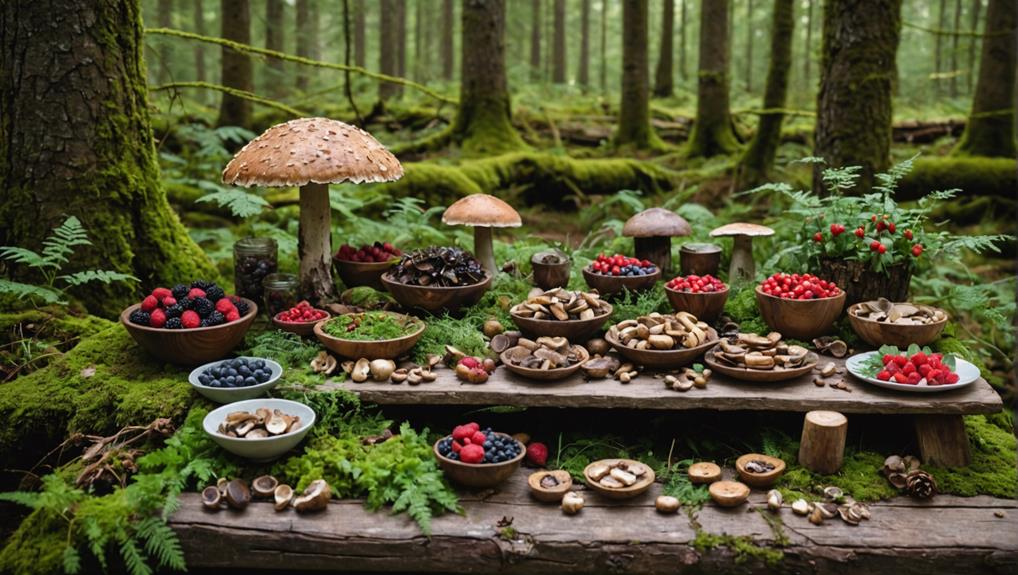
It's a coincidence that you stumbled upon this guide just as the foraging season begins. You might be surprised to find how easily you can connect with nature while gathering wild ingredients to create wholesome dishes. This guide not only offers practical tips on what to forage and when, but also shares authentic Nordic recipes that elevate everyday cooking. As you explore the benefits and techniques of foraging, you'll discover how to enhance your culinary repertoire while respecting the environment. What essential equipment do you think you'll need to get started?
Need cookware for your meal? Toolbox, a Pear to Pear rental marketplace, might be worth a look.
Quick Takeaways
- Forage seasonal ingredients like dandelions in spring and chanterelles in autumn for flavorful Nordic dishes.
- Utilize essential foraging tools such as a sturdy basket and scissors for efficient gathering.
- Master plant identification to safely differentiate edible wild foods from toxic varieties.
- Explore authentic Nordic recipes like nettle soup and sorrel smørbrød to incorporate foraged ingredients.
Benefits of Foraging
Foraging not only provides you with free access to nutritious wild foods, but it also deepens your connection to nature and enhances your overall well-being. When you venture into the great outdoors, you'll discover an abundance of wild herbs like stinging nettles and dandelions, which are packed with vitamins and minerals. By learning to identify and harvest these plants, you truly benefit from nature's bounty while greatly reducing your grocery expenses.
Participating in seasonal foraging allows you to embrace the changing rhythms of the environment, promoting sustainability by utilizing what's readily available. This mindful practice cultivates a deeper appreciation for local ecosystems, encouraging you to respect and protect these essential resources.
Plus, engaging with foraging communities enriches your knowledge and skills, fostering a sense of belonging among like-minded individuals who share your passion for intentional living.
As you explore the world of foraging, you'll experience a unique blend of adventure, nourishment, and mindfulness. This connection not only supports your health but also empowers you to serve others by sharing your newfound knowledge and delicious wild creations.
Embrace the art of foraging and enrich your life with nature's gifts!
Seasonal Foraging Guide
When you explore the world of seasonal foraging, you'll discover a vibrant tapestry of edible plants waiting for you throughout the year.
Timing is everything; knowing when to seek out dandelions in spring or hazelnuts in late summer can elevate your foraging experience.
Seasonal Plant Availability
As the seasons change, a diverse array of edible plants becomes available, inviting you to explore nature's bounty throughout the year.
In early spring, you'll find vibrant dandelions and fragrant wild garlic, perfect for enhancing your culinary creations. Stinging nettles, tender and packed with nutrients, are best harvested before they flower—this is when they shine as a delicious addition to soups and pesto.
As spring unfolds, spruce tips emerge from May to June, offering a unique citrusy flavor that elevates syrups and jellies.
Come summer, fireweed presents itself, with its young shoots and beautiful flowers ready for foraging from June to August. These can add a delightful touch to salads or be steeped into invigorating teas.
Transitioning into autumn, the landscape transforms as mushrooms like chanterelles and cep become ripe for picking. The best time to gather these treasures is after heavy rainfall, from September to November.
By understanding the seasonal availability of these plants, you'll not only enrich your meals but also deepen your connection to the natural world around you.
Happy foraging!
Foraging Timing Tips
Timing your foraging adventures with the rhythm of the seasons reveals a treasure trove of flavors just waiting to be discovered. To make the most of your excursions, keep these foraging timing tips in mind.
Early spring brings vibrant dandelions, perfect for salads, while late summer offers juicy raspberries at their peak. Observing how local flora changes throughout the year helps you develop an instinctive understanding of seasonal edibles.
After rain showers, nature comes alive, making it an ideal time to search for chanterelles, which thrive in humid conditions. Foraging during the right season not only enhances your culinary creations but connects you with nature to live fully.
Be cautious of winter foraging; many plants become dormant, making identification tricky. Instead, focus on areas rich in natural vegetation, like fields and forests, where you're more likely to find useful plants free from urban contamination.
Essential Foraging Equipment
To make your foraging adventures successful and enjoyable, you'll want to equip yourself with essential tools that enhance both safety and efficiency. Having the right gear not only elevates your foraging aims but also guarantees that you can gather your bounty with confidence.
Here's a beginners guide to some essential foraging equipment:
- Sturdy Basket or Trug: This keeps your foraged goods intact and organized during your harvest, making it easy to transport your finds.
- Scissors or Secateurs: These tools allow you to harvest plants without causing damage, promoting a sustainable approach to foraging.
- Small Knife: A versatile tool for cutting and digging roots, a small knife expands the variety of foraged items you can collect.
- Gloves: Protect your hands from irritation when handling stinging plants like nettles. This simple precaution can enhance your foraging experience.
Safety and Identification Tips
Steering through the world of foraging requires a keen eye and a cautious approach to guarantee your safety and the enjoyment of your wild culinary adventures.
Begin by familiarizing yourself with the local laws regarding foraging; confirming you're allowed to collect wild edibles in your chosen area is essential. As you commence on this journey, focus on mastering key identification methods for plants and mushrooms. Confidence in your identification skills grows with experience, so consider using field guides to assist you.
Always remember to pick and consume only those plants you can positively identify as edible. Many plants have toxic look-alikes, which can pose serious health risks. For beginners, it's wise to forage alongside an experienced individual. Their guidance can help build your skills and confidence in recognizing safe plants.
Lastly, while the thrill of foraging is enticing, always practice sustainable methods by limiting your collection to what you need. Be mindful of local abundance to protect ecosystems and maintain future foraging opportunities.
With these safety and identification tips, you'll be well on your way to creating delightful dishes from nature's bounty.
Sustainable Foraging Practices
When you venture into foraging, embracing sustainable practices guarantees that you not only enjoy nature's offerings but also protect the delicate balance of local ecosystems. By following these eco-friendly guidelines, you can assure that your harvesting helps rather than harms.
- Assess Local Abundance: Before you collect anything, take a moment to observe the area. Assure that there's enough of the plant for wildlife and future foraging.
- Harvest Responsibly: Only take what you need. This approach allows plants to thrive and supports biodiversity, assuring that you'll have options for your next foraging adventure.
- Use Proper Techniques: Instead of uprooting plants, use scissors or shears to cut them. This minimizes damage, promoting regrowth and sustainability in the ecosystem.
- Stay Informed: Familiarize yourself with local regulations and conservation laws to protect endangered species. Learning about the native flora enhances your foraging experience and helps preserve it for future generations.
Recommended Foraging Resources
When you're ready to explore the world of foraging, having the right resources is key to your success.
Essential literature, like Roger Phillips' 'Wild Food', can guide you in identifying and using wild edibles, while online communities like Forager Chef offer a treasure trove of tips and recipes.
Essential Foraging Literature
To plunge into the world of foraging, you'll want to explore essential literature that not only guides you in identifying wild edibles but also enriches your culinary adventures with nature's bounty.
These resources will help you find the best recipes and tips for cooking with what you gather, ensuring your foraging experience is both rewarding and delicious.
- Wild Food: A Complete Guide for Foragers by Roger Phillips – This thorough guide is invaluable for identifying and utilizing wild edibles.
- Mushrooms (River Cottage Handbook) by John Wright and Hugh Fearnley-Whittingstall – A must-have for anyone interested in foraging and cooking with mushrooms, packed with practical advice.
- Food for Free by Richard Mabey – This classic explores the abundance of wild food in the UK while emphasizing sustainable foraging practices.
- Forager Chef and Black Forager – These online platforms offer a wealth of recipes, identification guides, and tips suitable for foragers at any skill level.
Online Foraging Communities
Exploring online foraging communities opens up a world of connection and knowledge, where you can engage with fellow enthusiasts and discover a treasure trove of resources tailored to Nordic foraging practices.
Joining groups like Living a Nordic Life on Facebook immerses you in a vibrant community of over 10,000 members, all enthusiastic to share their experiences and sustainable living tips.
One of the most valuable resources you can access is the Adagio Blog, which offers insightful guides on foraging practices that promote the sustainable use of local flora.
You'll find useful tips on identifying and harvesting wild ingredients, enhancing your culinary delights.
Websites like Forager Chef and Black Forager are equally enriching, providing delicious recipes that highlight the beauty of wild foods.
Authentic Nordic Recipes
Authentic Nordic recipes bring the vibrant flavors of foraged ingredients to your table, celebrating the deep connection between traditional cooking and the natural bounty of the region. By embracing wild edibles, you not only create delicious dishes but also honor the seasons and the landscape.
Here are four must-try recipes that highlight the beauty of Nordic foraging:
- Nettle Soup – A creamy, nutrient-packed soup made with fresh stinging nettles, perfect for a cozy gathering.
- Sorrel & Blue Cheese Smørbrød – A delightful open-faced sandwich combining tangy sorrel with rich blue cheese, creating an irresistible flavor profile.
- Rowan Bud Liqueur – A unique homemade liqueur using rowan buds, offering a sweet and aromatic addition to your cocktail repertoire.
- Dandelion Honey – A vegan alternative to traditional honey, crafted from foraged dandelions, serving as a natural sweetener for various dishes.
These recipes not only showcase the versatility of foraged ingredients but also emphasize the importance of sustainability in Nordic cooking.
Common Questions
What Is the Number One Rule of Foraging?
The number one rule of foraging is ensuring you're absolutely certain about a plant's identification before you consume it. Many edible plants have toxic look-alikes, so always verify with multiple reliable sources. Stay safe!
What Should You Avoid When Foraging?
When you wander through nature's pantry, steer clear of polluted spots, toxic look-alikes, and cultivated plants laced with chemicals. Respect local laws, and only take what you need to nourish both yourself and nature's balance.
How Do Beginners Do Forage?
To start foraging, research local edible plants, equip yourself with basic tools, and choose safe locations. Connect with experienced foragers for guidance, and remember to practice sustainability by only taking what you need. Enjoy your adventure!
What Wild Plants Are Edible in Sweden?
Like a treasure hunt in nature, you'll discover edible wild plants in Sweden, such as stinging nettles, dandelions, wild garlic, spruce tips, and fireweed, each bringing unique flavors and health benefits to your meals.
Wrapping Up
Incorporating foraged ingredients into your meals not only elevates your culinary creations but also deepens your bond with nature.
Did you know that around 80% of wild edible plants are overlooked in modern cooking? By embracing foraging, you can reveal a treasure trove of flavors right outside your door.
So grab your basket, respect the land, and start on a delicious adventure with Nordic foraging recipes that celebrate the richness of the wild.
Happy foraging!