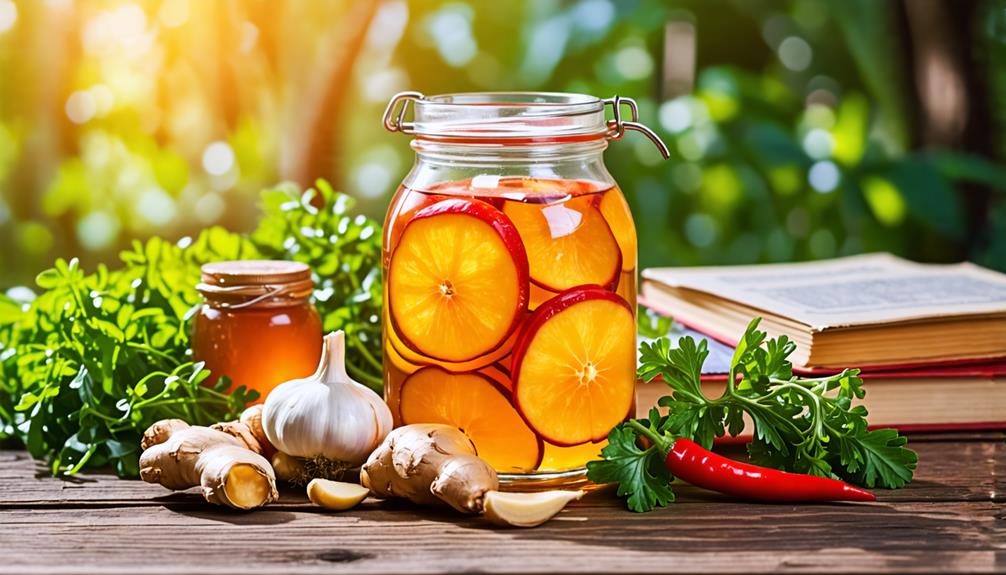
In exploring classic fire cider recipes from English herbalist traditions, one uncovers a rich tapestry of flavors and health benefits woven together through time. These recipes typically combine apple cider vinegar with a potent mix of ingredients like garlic, ginger, and hot peppers, each chosen for its immune-boosting properties. The preparation methods highlight a respect for seasonal and local sourcing, reflecting an age-old wisdom in herbal medicine. But what specific variations and historical significance lie behind these beloved concoctions? The answers may reveal surprising insights into both tradition and contemporary wellness practices.
Need cookware for your meal? Toolbox, a Pear to Pear rental marketplace, might be worth a look.
Quick Takeaways
- Classic fire cider recipes typically include apple cider vinegar, garlic, onion, ginger, horseradish, and hot peppers for immune support.
- Traditional herbalist practices emphasize the use of seasonal and locally sourced ingredients to enhance health benefits in fire cider.
- The infusion process traditionally lasts two to four weeks, allowing for optimal extraction of flavor and medicinal properties.
- Honey is often incorporated post-infusion for sweetness and additional antimicrobial benefits, reflecting historical herbalist practices.
- Variations on classic recipes may include turmeric, citrus zest, or other herbs, showcasing creativity within the English herbalist tradition.
Overview of Fire Cider
Fire cider, though steeped in tradition, remains a vibrant herbal remedy that captivates many with its fiery blend of flavors and health benefits. This potent concoction, rooted in herbalist practices, combines apple cider vinegar with an array of warming herbs and spices. A typical Fire Cider Recipe features invigorating ingredients like garlic, ginger, horseradish, onion, and hot peppers, each renowned for their immune-boosting properties and digestive health benefits.
The process of creating traditional Fire Cider involves infusing these ingredients in apple cider vinegar for a period of two to four weeks. During this time, the vinegar extracts the beneficial compounds, resulting in a spicy tonic that serves as a folk remedy during cold and flu season.
Once the infusion is complete, a touch of honey can be added, enhancing the flavor and contributing its own health advantages.
Fire cider's versatility makes it a cherished staple in many households, often utilized as a preventative measure or to alleviate symptoms during the colder months. By serving this herbal remedy, individuals not only share a delightful experience but also promote wellness and health within their communities.
Classic Ingredients Used
The heart of any classic fire cider lies in its vibrant and robust ingredients. At its core, apple cider vinegar serves as a potent base, allowing the infusion of various elements like garlic, ginger, onion, horseradish, and hot peppers. Each ingredient contributes unique immune-boosting and anti-inflammatory properties, creating a harmonious blend that warms the spirit and supports health.
Honey plays a vital role, added post-infusion to sweeten the concoction. It balances the zesty punch of the other ingredients while offering its own array of health benefits. Many recipes also incorporate turmeric, revered for its anti-inflammatory effects, which further enhances the cider's therapeutic profile.
Lemon can be included for its vitamin C, while herbs like rosemary or thyme elevate the flavor and provide additional medicinal qualities.
Traditional English herbalist recipes emphasize seasonal and locally sourced ingredients, encouraging the use of fresh, whole foods to maximize health benefits. These classic ingredients not only reflect the wisdom of herbal traditions, but they also demonstrate a commitment to serving others with nourishing, healthful remedies.
Traditional Preparation Methods
Traditional preparation methods for fire cider reveal a rich tapestry of historical herbal practices.
By meticulously chopping fresh ingredients like garlic and ginger, herbalists create a potent infusion in apple cider vinegar, allowing the flavors to meld over several weeks.
This careful process not only highlights the significance of seasonal ingredients but also underscores the importance of daily shaking to extract the maximum health benefits.
Historical Herbal Practices
Drawing on centuries of herbal wisdom, historical practices surrounding the preparation of fire cider showcase a deep connection to local ecosystems and seasonal ingredients.
English herbalists traditionally relied on potent components like horseradish, garlic, and onion, known for their beneficial effects on respiratory health and immune function. The process begins with chopping these herbs before placing them in a jar, where they're covered with apple cider vinegar, a time-honored medium for extracting medicinal qualities.
This method of infusion often involves allowing the mixture to steep for several weeks, highlighting the importance of patience in herbal remedy preparation. Many practitioners recommend shaking the jar daily, a practice believed to enhance the extraction of flavors and healing properties from the ingredients.
Once steeped, the infusion is strained and often sweetened with honey, a tradition that not only improves flavor but also adds antimicrobial benefits.
These historical practices reflect a holistic approach to health, emphasizing the synergy between nature and nurturing. With a focus on local, seasonal ingredients, fire cider serves as a demonstration of the enduring legacy of herbal traditions in promoting wellness.
Ingredients and Their Uses
Classic fire cider recipes incorporate a variety of powerful ingredients, each selected for their unique health benefits and flavor profiles. At the heart of these recipes lies apple cider vinegar, serving as a robust base that enhances the extraction of beneficial compounds from herbs and spices.
Garlic and onion, both revered for their immune-boosting properties, play essential roles alongside the fiery horseradish root and invigorating ginger root, which add warmth and zest.
Traditionally, the process begins with chopping or grating these fresh ingredients, ensuring their essence infuses thoroughly. Once submerged in the apple cider vinegar, the mixture is left to steep in a cool, dark place for 2-4 weeks, with daily shaking to promote infusion. This method captures the essence of each ingredient, creating a tonic filled with energy.
After straining, honey is added to sweeten the concoction and provide additional antimicrobial benefits. Variations may include spices like turmeric and hot peppers, enhancing both flavor and health advantages such as supporting digestion and increasing circulation.
Together, these ingredients create a potent elixir, ready to serve and uplift the spirits of those who partake.
Fermentation and Infusion Techniques
The art of crafting fire cider involves mastering fermentation and infusion techniques that harness the health-boosting properties of various herbs and spices. Traditionally, fire cider starts with raw apple cider vinegar, serving as a potent base for extracting the medicinal qualities of fresh ingredients like garlic, ginger, and horseradish.
To initiate the infusion process, one must chop or grate these ingredients, submerging them in the vinegar for a steeping period of 2 to 4 weeks. Daily shaking of the jar during this time maximizes the extraction of flavors and active compounds, ensuring a well-blended tonic rich in nutrients.
Once the infusion period concludes, the mixture is strained to separate the liquid from the solids. For those seeking a thicker consistency, blending the solids back into the liquid is a cherished practice within English herbalist traditions.
To enhance the flavor and add extra health benefits, honey can be incorporated, transforming the fire cider into a delicious wellness tonic. This careful balance of fermentation and infusion techniques not only preserves the ingredients' liveliness but also creates a delightful remedy to share with friends and family.
Health Benefits of Fire Cider
Fire cider boasts a rich blend of ingredients that support immune system function and enhance digestive health.
Its anti-inflammatory and antimicrobial properties make it a popular choice during cold and flu season, while the warming effects of ginger and garlic stimulate circulation and digestion.
Regularly incorporating fire cider into one's routine can provide a natural shield against respiratory issues and promote overall well-being.
Immune System Support
When it comes to boosting the immune system, fire cider stands out as a powerful ally. This traditional tonic, celebrated by herbalist Rosemary Gladstar, combines a medley of potent ingredients known for their anti-inflammatory, antibacterial, and antiviral properties.
During cold and flu season, fire cider's warming components—such as garlic, ginger, and horseradish—stimulate circulation and enhance respiratory function, making it particularly effective in combating seasonal ailments.
Regular consumption, typically 1 to 2 tablespoons daily, can help mitigate cold symptoms and serve as a preventative measure against common illnesses. The inclusion of apple cider vinegar and honey not only enriches the flavor but also amplifies immune system support through their natural antibacterial and antioxidant effects.
Moreover, fire cider's carefully crafted blend reinforces overall health, ensuring that the body's immune defenses are well-equipped to tackle invaders.
Digestive Health Aid
Harnessing the power of its potent ingredients, fire cider serves as a remarkable digestive health aid. This traditional remedy, rich in apple cider vinegar and an array of fresh herbs, works synergistically to stimulate digestion and enhance overall gut health. The vinegar helps regulate stomach acidity, ensuring that the digestive system operates smoothly and efficiently.
Ginger and horseradish, staples in fire cider recipes, provide anti-inflammatory properties that can alleviate discomfort and reduce bloating. Their warming qualities, alongside spices like jalapeño and garlic, promote better circulation, which is essential for delivering nutrients effectively to the gastrointestinal tract.
Regularly consuming fire cider, particularly before meals, can support appetite regulation and improve nutrient absorption. This vinegar and herb-infused tonic not only tantalizes the palate but also nurtures digestive health, allowing the body to function harmoniously.
Creative Variations to Try

While the classic fire cider recipe boasts a robust blend of garlic, onion, and horseradish, adventurous enthusiasts can elevate this traditional tonic with creative variations that enhance both flavor and health benefits.
By experimenting with different ingredients, one can craft a personalized fire cider that tantalizes the taste buds and supports wellness.
Here are some exciting variations to contemplate:
- Turmeric Infusion: Incorporate turmeric for its anti-inflammatory properties, adding a warm, earthy note.
- Citrus Zest: Brighten the mix with lemon or orange zest, providing a revitalizing twist.
- Tom Kha Twist: Blend in coconut milk and Thai herbs for a unique, flavorful fusion while retaining health benefits.
- Herb Enhancements: Add rosemary or cinnamon to enrich the aromatic qualities and provide additional health support.
- Vinegar Variety: Experiment with rice vinegar or red wine vinegar to create diverse flavor profiles while maintaining the benefits of infused vinegar.
These creative variations allow for a delightful exploration of flavors, making fire cider a versatile remedy suitable for serving others during gatherings or health-focused occasions.
Serving Suggestions and Dosage
When it comes to enjoying fire cider, knowing the recommended dosage is key for both health benefits and flavor. One to two tablespoons can kick off a cold remedy, while mixing it with water or juice can make it more enjoyable for those sensitive to its intensity.
Additionally, incorporating fire cider into dressings and marinades not only enhances dishes but also promotes wellness throughout the cold season.
Recommended Dosage Guidelines
Fire cider, a potent herbal tonic, is often recommended in doses of 1 to 2 tablespoons (15-30 ml) daily, particularly at the first sign of a cold or flu.
This traditional remedy shines during cold and flu season, helping to bolster the immune system when it's most needed.
For those sensitive to its strong flavor, fire cider can be diluted in an 8-ounce glass of water or mixed with herbal tea, making it easier to enjoy.
To maximize the benefits, consider these recommended dosage guidelines:
- Take 1 to 2 tablespoons daily, especially during cold and flu season.
- Increase frequency to every 3-4 hours at the first sign of symptoms for enhanced immune-boosting effects.
- Adjust your intake based on personal tolerance and specific symptoms.
- Incorporate fire cider into meals, using it as a salad dressing or marinade.
- Share the tonic with friends and family to promote wellness in your community.
Creative Serving Ideas
A variety of creative serving ideas can transform fire cider into an enjoyable addition to daily routines. One popular method is to dilute fire cider in hot water, adding raw honey to taste. This cozy concoction serves as a soothing tea, perfect for easing coughs and sore throats.
For those seeking a revitalizing twist, mixing fire cider with lemonade or orange juice makes a delightful drink, masking its robust flavor while retaining its health benefits.
Fire cider also shines in the culinary domain. It can be incorporated into salad dressings by combining it with oil, enhancing both flavor and immune support. When preparing marinades, fire cider adds a zesty kick to meats, tofu, or tempeh, elevating a simple dish into a nourishing experience.
To store fire cider conveniently, keep it in a clean jar, ensuring easy access whenever needed. A common recommended dosage is 1 to 2 tablespoons at the first sign of a cold, repeated every 3-4 hours for relief.
These creative serving ideas not only make fire cider enjoyable but also encourage its integration into everyday wellness practices.
Mixing With Beverages
For those looking to enhance their wellness routine, mixing fire cider with beverages offers a flavorful and healthful approach to consumption. This traditional tonic can be seamlessly integrated into various drinks, providing not only a zesty kick but also a boost to immunity.
To enjoy fire cider in your beverages, consider these delightful serving suggestions:
- Herbal Teas: Combine fire cider with herbal teas or hot water and honey for a soothing drink that helps relieve congestion.
- Lemonade or Orange Juice: Dilute fire cider in these invigorating beverages to enhance flavor while retaining health benefits.
- Salad Dressing: Mix fire cider with oil to create a tangy salad dressing, elevating both taste and nutrition.
- Marinades: Use fire cider in marinades for meats, tofu, or tempeh to infuse dishes with its spicy and tangy flavor.
- Dosage: Classic recipes recommend consuming 1 to 2 tablespoons at the first sign of a cold, repeating every 3-4 hours for ideal effect.
Nutritional Information Breakdown
When exploring the nutritional information of fire cider, it's clear that this potent tonic offers a unique blend of health benefits in a small serving size. A typical serving contains approximately 11 calories, primarily derived from carbohydrates and sugars, making it a low-calorie addition to any wellness routine.
With about 2 grams of carbohydrates per serving, the energy source is modest yet effective. The sweetness of fire cider largely comes from added honey, contributing around 2 grams of sugar, which complements the natural sugars present in the ingredients.
While the vitamin C content is relatively low at about 1 mg per serving, the combination of ingredients may provide antioxidant benefits that support overall health. Additionally, fire cider boasts approximately 1 gram of fiber, mostly retained from the strained ingredients, promoting digestive well-being.
With minimal amounts of sodium and potassium, this tonic remains a wholesome choice for those looking to serve their loved ones a nutritious boost. Overall, fire cider stands as a traditional remedy, embodying both flavor and potential health benefits in every serving.
Historical Origins and Significance
Deeply rooted in English herbalist traditions, fire cider emerged as a folk remedy designed to support respiratory health and enhance immunity during the cold months. Its origins trace back to a time when herbalists recognized the healing power of nature, often infusing vinegar with potent ingredients to create a robust tonic.
English herbalists frequently included the likes of garlic, onion, and horseradish, all known for their antimicrobial and anti-inflammatory properties. This tradition of blending culinary and medicinal uses showcases a holistic approach to wellness that has been cherished for generations.
The significance of fire cider lies in its ability to bring people together through shared herbal practices. Modern herbalist Rosemary Gladstar played a pivotal role in reviving this age-old remedy in the 1970s, ensuring its relevance in contemporary health discussions.
To fully appreciate fire cider's historical richness, one might consider:
- The role of garlic in boosting immunity
- The significance of vinegar as a preservative
- Traditional methods of herbal infusion
- The connection between food and medicine
- How generations have passed down these recipes
Through its enduring legacy, fire cider continues to serve as a reflection of the wisdom of English herbalist traditions.
Herbal Remedies and Fire Cider
Herbal remedies have long been celebrated for their ability to harness nature's healing powers, and fire cider stands out as a quintessential example. This traditional concoction, rooted in English herbalist practices, is crafted by infusing apple cider vinegar with an array of warming herbs and spices like garlic, ginger, horseradish, and onion. Each ingredient works synergistically to support immune health, making fire cider a beloved tonic, especially during cold and flu seasons.
Classic recipes often highlight local honey, which not only balances the vinegar's acidity but also imparts its own medicinal properties, such as antibacterial effects and soothing qualities for sore throats. Emphasizing the use of fresh, organic ingredients guarantees that every batch of fire cider boasts maximum potency and health benefits.
The versatility of herbal infusions is further illustrated by similar remedies in English herbalist traditions, such as Four Thieves Vinegar, which combines garlic and rosemary for immune support.
Resources for Further Learning
Exploring the rich tradition of fire cider opens the door to a wealth of resources that can enhance one's understanding and practice of herbal remedies. Those enthusiastic to dive deeper into the world of fire cider will find a variety of educational tools and community insights invaluable.
Here are some essential resources:
- Herbal Academy: Offers courses and materials focused on traditional herbal remedies, including detailed fire cider recipes and preparation methods.
- Books by Rosemary Gladstar: These works provide extensive recipes and cultural context behind fire cider, enriching one's knowledge of English herbalist traditions.
- Online Forums: Engaging with community groups dedicated to herbalism allows practitioners to share their unique variations of fire cider and the benefits of ingredients like garlic (Allium sativum) and fresh horseradish.
- Historical Texts: Exploring historical documents reveals the evolution of fire cider within folk medicine, particularly its significance during cold and flu seasons.
- DIY Guides: Many resources include step-by-step instructions on how to use a Mason jar, garlic, and honey to make fire cider, making it accessible for all who wish to serve others with herbal remedies.
Common Questions
How Many Times a Day Should You Take Fire Cider?
When it comes to fire cider, many recommend taking it 1 to 2 tablespoons daily, especially during the colder months or at the first sign of illness.
For those who find the taste overwhelming, diluting it in an 8-ounce glass of water can help.
If cold symptoms arise, taking it every 3 to 4 hours can enhance its immune-boosting effects.
Individual needs may vary, so adjusting the frequency based on tolerance is wise.
Who Should Not Take Fire Cider?
One might think fire cider's a magical elixir for all, but alas, it's not fit for everyone.
Those with allergies to its feisty ingredients—like garlic or hot peppers—should steer clear.
Gastrointestinal woes, pregnant women, and anyone on blood thinners ought to consult their healthcare provider first.
Chronic health conditions and upcoming surgeries also warrant a cautious approach, as fire cider could meddle with medications and treatments, turning health into a fiery fiasco.
What Does Fire Cider Do for Your Body?
Fire cider boosts the immune system, helping to fend off colds and flu with its potent blend of garlic, ginger, and horseradish.
It warms the body, enhancing circulation and digestion while alleviating respiratory symptoms. The natural decongestants found in hot peppers and onions clear sinus congestion, promoting better breathing.
Regular consumption provides antioxidants that combat oxidative stress, supporting overall cellular health and energy levels, making it a traditional remedy for wellness seekers.
What Is the Shelf Life of Homemade Fire Cider?
Homemade fire cider, a vibrant elixir bursting with flavor, can last up to a year when stored correctly.
To guarantee its longevity, one must keep it in a cool, dark place, fully submerged in apple cider vinegar.
Straining the mixture before storage helps maintain its freshness, removing potential spoilage culprits.
While its flavor intensifies over time, fire cider remains safe to enjoy, provided it shows no signs of spoilage like odd smells or colors.
Wrapping Up
In the heart of every kitchen, fire cider simmers with the promise of health and warmth, a vibrant elixir steeped in tradition. As the weeks pass, the aromatic blend transforms, whispering tales of resilience against winter's chill. With each tangy sip, one can almost feel the invigorating embrace of nature's finest remedies. Will this age-old concoction become a cherished staple in your home? Only time, and a dash of curiosity, will reveal the answer.