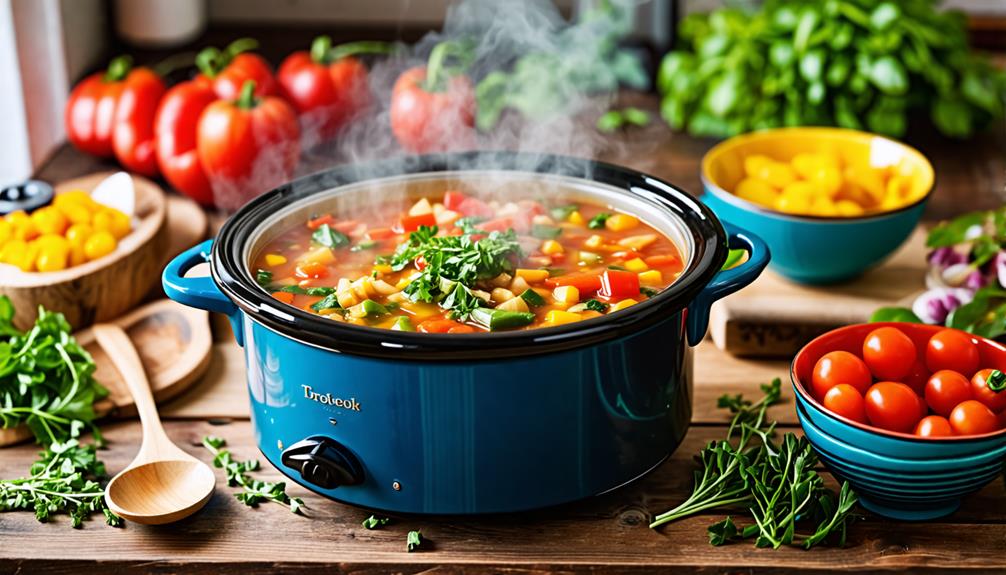
When it comes to making delicious crockpot soups, preparation plays an essential role in achieving the best flavors. By prepping ingredients the night before and understanding how to layer them effectively, cooks can create a rich, hearty meal with minimal effort. It's also beneficial to reflect on techniques like browning meats and sautéing aromatics to elevate the dish. With a few simple adjustments to cooking times based on different slow cooker models, the results can be impressive. Yet, there's more to explore about the variety of ingredients and combinations that can truly transform a basic soup into something extraordinary.
Need cookware for your meal? Toolbox, a Pear to Pear rental marketplace, might be worth a look.
Quick Takeaways
- Prepare ingredients the night before and layer denser items at the bottom for even cooking in the slow cooker.
- Brown meats and sauté aromatics prior to slow cooking to enhance flavor and depth.
- Fill the slow cooker between half and two-thirds full to prevent spills and ensure optimal cooking.
- Freeze soups in airtight containers after cooling, and label with the date for freshness up to three months.
- Familiarize yourself with your slow cooker model to adjust cooking times and monitor doneness effectively.
Overview of Crockpot Soups
Crockpot soups offer a delightful blend of convenience and flavor, transforming simple ingredients into hearty meals with minimal effort. This convenient cooking method allows home cooks to combine meats, vegetables, beans, and grains, creating a diverse array of options that cater to various dietary preferences. Recipes like Chicken Noodle and Beef Stew exemplify the comforting nature of crockpot soups, making them ideal for family gatherings or cozy nights in.
The magic lies in the slow cooking process, which enhances the flavors and tenderness of the ingredients over a period of 4 to 8 hours. This not only results in a rich, hearty soup but also provides meal prep convenience, allowing for bulk cooking and easy storage of leftovers.
In fact, many find that the flavors deepen and improve over time, making future meals even more enjoyable.
Nutritionally, crockpot soups shine with their high protein content in meat-based varieties and rich fiber content in vegetable and bean options. As comfort food, these soups not only satisfy hunger but also nourish the body, making them a smart choice for anyone looking to serve delicious, wholesome meals to loved ones.
Preparation Techniques
To create the perfect crockpot soup, effective preparation techniques play a key role in achieving that rich flavor and satisfying texture. One of the best strategies is to prepare ingredients the night before. By chopping vegetables and storing them with broth in the fridge, assembly becomes a breeze the next morning.
Layering ingredients is important; placing denser items like root vegetables at the bottom guarantees they cook thoroughly, while lighter ingredients like herbs sit on top for maximum flavor infusion.
It's important to monitor the fill level of your slow cooker, filling it between half and two-thirds full to prevent spills and assure even cooking.
For enhanced flavor, browning meats and sautéing aromatics such as onions and garlic before adding them to the pot can elevate the soup's profile greatly.
Finally, adjusting cooking times based on the size and model of your slow cooker is crucial. Smaller cookers often require longer cooking times, so checking for doneness periodically will help achieve that perfect consistency.
With these preparation techniques in hand, serving delicious crockpot soups becomes an enjoyable and rewarding experience.
Freezing Guidelines
When it comes to freezing soups, knowing the best practices can make all the difference.
Proper cooling, mindful ingredient choices, and smart reheating methods guarantee that flavors and textures remain intact.
With a little care, anyone can enjoy delicious homemade soups long after they've been cooked.
Best Freezing Practices
After a cozy evening enjoying a hearty soup, many find themselves wondering about the best way to preserve those delicious leftovers. Most soups freeze well, but caution is needed with creamy soups; they may separate upon thawing. If one must freeze a creamy option, using high-fat creams can yield better results.
To maintain the perfect soup texture, it's recommended to avoid freezing cooked pasta, as it often loses its firmness. Instead, consider adding freshly cooked pasta during reheating. Similarly, soups containing potatoes can change texture when frozen, so opting for recipes that blend potatoes into the soup creates a smoother consistency.
Before freezing, verify the soup has cooled completely to lock in flavor and texture. Store the soup in airtight containers or freezer bags to prevent freezer burn, which can ruin even the best dishes.
It's important to label each container with the date, as soups should ideally be consumed within 3 months for peak quality. By following these best freezing practices, one can enjoy those delightful soup leftovers any time, guaranteeing every bowl remains as satisfying as the first.
Thawing and Reheating Tips
Thawing and reheating frozen crockpot soups can be a straightforward process that preserves their rich flavors and comforting textures.
The best method for thawing involves transferring the frozen soup to the refrigerator, allowing it to thaw overnight. This slow thawing technique helps maintain the desired texture and taste.
For those in a hurry, placing the frozen soup in a sealed bag and submerging it in cold water can expedite the process; just remember to change the water every 30 minutes until it's fully thawed.
When it comes to reheating, using the stovetop over medium heat is ideal. Stir occasionally to guarantee even heating and avoid scorching.
Alternatively, the microwave can be used in short intervals, making sure to check the soup frequently. It's essential to heat the soup to a minimum internal temperature of 165°F (74°C) for safety.
For creamy soups, consider adding a splash of broth or milk during reheating to restore creaminess and prevent separation.
Understanding Your Slow Cooker
Understanding a slow cooker is fundamental for creating delicious, hassle-free soups. Each slow cooker has unique cooking times, making it essential to get acquainted with your specific model for the best results. Smaller slow cookers often heat faster, which can greatly alter cooking times compared to their larger counterparts.
Likewise, when using full slow cookers, longer cooking times may be necessary, so it's important to monitor doneness carefully. Maintaining temperature is key to achieving a perfect soup. Keeping the lid on during cooking not only helps retain moisture but guarantees that all ingredients cook evenly and thoroughly.
This simple practice can elevate the flavors in your dish and enhance the overall experience for those you're serving. Always adjust cooking times based on your experiences with different slow cooker models, as wattage can vary widely.
Family-Friendly Soup Recipes
Families everywhere can enjoy the warmth and comfort of homemade soups, and there's a wealth of delicious recipes to choose from. For those busy weeknights, the Slow Cooker Chicken Noodle Soup delivers a hearty, protein-packed meal that the whole family loves.
Taking just 20 minutes to prep, the Slow Cooker Potato Soup is another crowd-pleaser that guarantees satisfaction without much fuss.
If creativity in the kitchen is desired, Crockpot Lasagna Soup and Slow Cooker Chicken Tortellini Soup offer delightful flavors and are easy to prepare, making them accessible for cooks of all skill levels.
For families with diverse dietary preferences, nutrient-rich options like Vegetable Barley Soup and Sweet Potato and Black Bean Soup cater to everyone's tastes, assuring no one feels left out.
These family-friendly soups can be made in large batches, perfect for meal prep and enjoying leftovers throughout the week. This not only saves time but also enhances convenience for busy schedules.
With such a variety of flavors and nutritional benefits, making these soups can turn any family dinner into a heartwarming occasion.
Hearty Meat-Based Soups
Hearty meat-based soups are a comforting choice, bursting with flavor from perfectly combined ingredients like tender beef chuck or succulent chicken, paired with hearty vegetables.
Mastering the art of slow cooking not only enhances these rich flavors but also guarantees the meat becomes delightfully tender.
Plus, with meal prep tips, these satisfying soups can easily serve as quick, nutritious options for busy families.
Flavorful Ingredient Combinations
A delicious meat-based soup can warm the soul and satisfy the heart, especially when crafted with the right combination of ingredients. Hearty meat-based soups shine with tender cuts of beef or pork, which thrive in a slow cooker soup environment, allowing flavors to meld beautifully.
For a robust foundation, incorporating root vegetables like potatoes, carrots, and turnips enhances nutritional value while adding a rich, satisfying flavor profile.
Browning the meat beforehand adds depth to the broth, creating a complex taste experience, much like in slow-cooker carne guisada. Adding legumes, such as black beans or navy beans, boosts protein content while providing a delightful texture, perfect for dishes like ham-and-bean soup or a hearty chili.
To elevate the flavor even further, cooks can experiment with various spices and herbs, tailoring their creations to individual preferences. A sprinkle of cumin or a dash of smoked paprika can transform a simple slow cooker soup into something extraordinary.
Whether you're aiming for a creamy soup or a zesty taco soup, the right ingredient combinations will guarantee a comforting meal that brings everyone together.
Cooking Techniques Explained
When crafting a satisfying meat-based soup, understanding the right cooking techniques is crucial. Utilizing a slow cooker allows the ingredients to meld beautifully over 6-8 hours, transforming tougher cuts of meat, like beef chuck, into tender morsels. This low and slow method creates a comforting dish that warms the soul.
Browning the meat before adding it to the slow cooker greatly enhances the overall flavor profile. Recipes such as Slow-Cooker Brisket Chili showcase how this simple step can elevate the taste.
Incorporating a variety of vegetables like potatoes, carrots, or root vegetables not only adds nutritional value but also results in a balanced, hearty dish that complements the meat's richness.
For those with tight schedules, using pre-packaged vegetables or rotisserie chicken can markedly reduce prep time, making recipes like Chicken-and-Rice Soup with Mushrooms both easy and flavorful.
It's important to fill the slow cooker to the recommended level to guarantee ideal cooking. Larger quantities may require additional time to achieve the desired tenderness and flavor development, ensuring every bowl is as comforting as the last.
Meal Prep Tips
Preparing meat-based soups for meal prep can be a game changer for busy weeknights. By selecting cuts like beef chuck or pork shoulder, home cooks guarantee tenderness and rich flavor in their hearty meat-based soups.
Before tossing everything into the slow cooker, it's essential to brown the meat; this step deepens the flavor, making the final dish even more satisfying.
Incorporating a colorful array of vegetables and legumes not only boosts nutrition but also adds texture, resulting in a balanced meal that's both filling and delicious.
Once cooked, let the soup cool, then portion it into individual servings using freezer-safe containers. This makes reheating a breeze throughout the week, and with proper storage, these soups can last up to three months in the freezer.
For the best flavor experience, consider making the soup a day in advance. Allowing the ingredients to meld overnight enhances the taste, making each bite an explosion of savory goodness when served.
With these meal prep tips, serving hearty meat-based soups becomes an effortless delight, guaranteeing you can nourish family and friends even on the busiest of nights.
Creamy and Comforting Soups
Crockpot soups offer a delightful way to enjoy creamy and comforting meals with minimal effort. They're perfect for busy weeknights when time is limited but flavor is a must. Two popular choices are Slow Cooker Potato Soup and Broccoli Cheese Soup, both of which require minimal prep time yet deliver rich, satisfying results.
To create that velvety texture that makes creamy soups so appealing, ingredients like cream cheese or Velveeta cheese are often used. These add depth and enhance the overall flavor, making each spoonful a comforting experience. With just 6-8 hours on low in the Crock-Pot, flavors meld beautifully, allowing for a hands-off cooking approach.
What's more, these recipes are versatile, encouraging cooks to add various vegetables or make substitutions based on personal preferences.
When it comes to serving, toppings can elevate the dish. Crispy bacon, fresh chives, or shredded cheese not only enhance the taste but also provide a delightful contrast in texture. A bowl of creamy, comforting soup can be the perfect centerpiece for gatherings, inviting friends and family to savor every rich bite together.
Vegetarian and Vegan Soups
Bursting with flavor and nutrition, vegetarian and vegan soups offer a satisfying way to enjoy wholesome meals that cater to plant-based diets. These soups aren't only hearty but also packed with essential protein and fiber, thanks to ingredients like lentils, beans, and a medley of seasonal vegetables.
Recipes such as Slow Cooker Wild Rice Soup utilize local produce and grains, making them versatile and adaptable throughout the year.
For those craving comforting options, the Creamy Slow Cooker Potato Corn Soup can easily be transformed into a vegan delight by substituting traditional cream and butter with plant-based alternatives. This approach guarantees everyone can enjoy a creamy texture without compromising dietary preferences.
Moreover, vegetarian and vegan soups freeze well, making them perfect for batch cooking. Preparing large quantities not only simplifies meal prep but also allows for quick, nutritious meals throughout the week.
With a recommended consumption timeline of up to three months, these soups maintain their ideal flavor and texture, ensuring that hearty, wholesome dining is always just a reheating away.
Unique Flavor Combinations
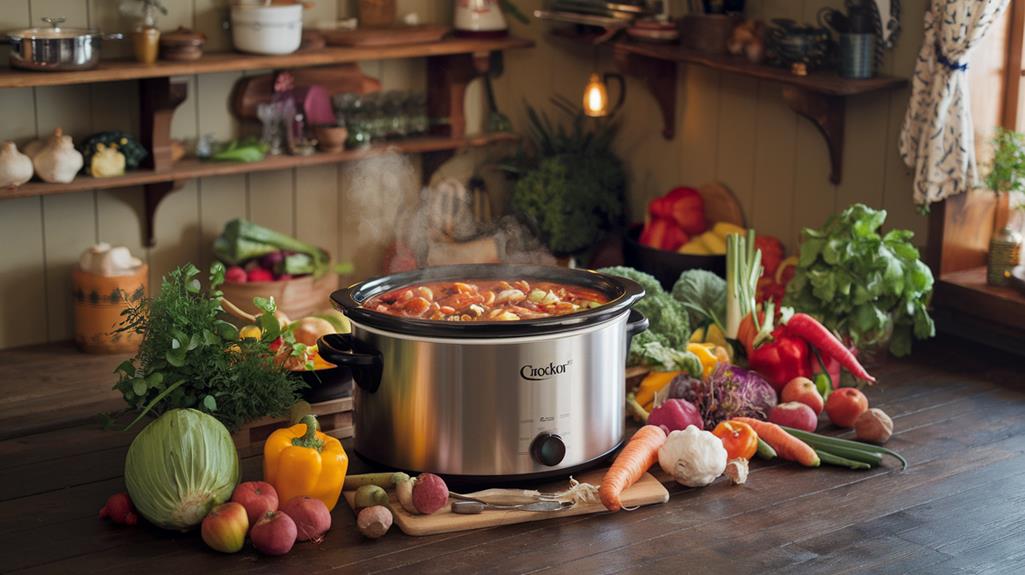
Exploring unique flavor combinations in crockpot soups can transform a simple meal into a culinary adventure. By using a slow cooker, one can achieve creamy textures and hearty meals that are both satisfying and memorable.
Here are some creative ideas to inspire your next soup creation:
- Sweet Potato and Cauliflower Soup: This dish is loaded with vitamins A and C, and its creamy texture makes it perfect for fall gatherings.
- Broccoli Turmeric Soup: Emphasizing anti-inflammatory properties, this soup is vegan and keto-friendly, providing a healthful yet delightful experience.
- Pasta e Fagioli Soup: A nutritious homage to Olive Garden's classic, this soup features beans and pasta, ensuring everyone leaves the table full.
- Tortellini Soup with Sausage: This comforting blend of flavors, highlighted by cheese-filled tortellini, is an indulgent treat for busy weeknights.
Additionally, the Cream of Leek Soup with Chorizo Croutons elevates traditional flavors, making it a unique choice for those seeking something special.
These unique flavor combinations not only tantalize the taste buds but also create memorable moments for family and friends.
Common Questions
What Is the Secret to Making Good Soup?
The secret to making good soup lies in the art of layering flavors. First, she sautés aromatic onions and garlic, creating a fragrant base. High-quality broth is essential, adding depth to the dish.
As she incorporates herbs and spices, she confirms a complex profile, adding fresh herbs at the end for brightness. Allowing the soup to simmer for hours melds the ingredients beautifully, while tasting and adjusting seasoning guarantees a well-balanced, satisfying result.
How to Make Soup Really Flavorful?
To make soup really flavorful, one must weave a tapestry of tastes, starting with a rich broth as the foundation.
Sautéing aromatic vegetables releases their essence, deepening the flavor.
Layering herbs throughout the cooking process adds complexity; hearty varieties infuse early, while fresh herbs brighten just before serving.
Incorporating umami elements like soy sauce enhances the savory profile, and a splash of acidity—like lemon juice—can elevate the dish, making it irresistible to all who partake.
Does Soup Taste Better in a Slow Cooker?
When it comes to flavor, soup truly shines in a slow cooker. The low and slow cooking method allows ingredients to meld beautifully, creating a rich, savory broth that's hard to replicate.
Vegetables and legumes release their natural sweetness over time, enhancing complexity. Tough cuts of meat become tender, soaking up all the delicious spices.
Plus, leftover soup often tastes even better the next day, making it a perfect dish for sharing.
How Do You Make Slow Cooker Food Taste Better?
To make slow cooker food taste better, one should start by sautéing aromatics like onions and garlic to release deeper flavors.
Layering ingredients properly guarantees even cooking; placing hearty vegetables at the bottom and proteins on top enhances flavor infusion.
Using high-quality broth elevates the taste markedly, while adding fresh herbs towards the end preserves their vibrancy.
Wrapping Up
In the domain of crockpot soups, creativity knows no bounds. By embracing simple preparation techniques and understanding your slow cooker, anyone can conjure up flavors that feel like a warm hug on a chilly day. Whether it's a hearty meat-based concoction or a vibrant vegan delight, each recipe is a chance to indulge. So, dust off that slow cooker and let it work its magic—before you know it, you'll be savoring a bowl of comfort that rivals even the finest tavern fare.