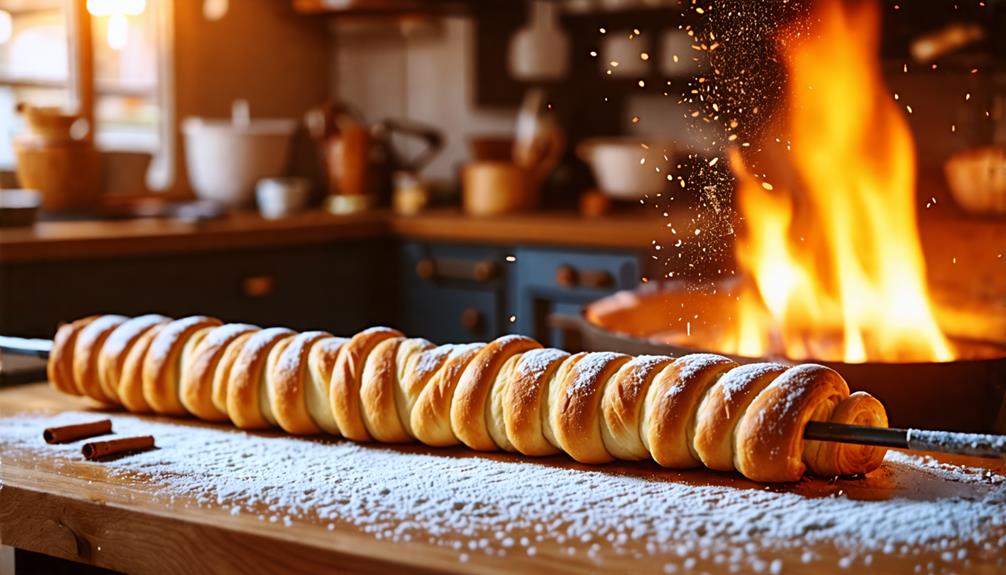
While the allure of street vendors selling freshly baked chimney cakes can be intoxicating, the satisfaction of creating this traditional Hungarian treat at home offers a different kind of joy. Many enthusiasts find that the process of making kűrtőskalács not only fosters a connection to Hungarian culture but also yields a delicious result that rivals any fair's offering. With a few basic ingredients and some essential tools, anyone can initiate this culinary journey. The question remains, though: what are the key steps and techniques that turn a simple dough into a crispy, sweet masterpiece?
Need cookware for your meal? Toolbox, a Pear to Pear rental marketplace, might be worth a look.
Quick Takeaways
- Prepare a sweet yeast dough using all-purpose flour, warm milk, sugar, yeast, egg yolks, and melted butter for authentic flavor.
- Shape the dough into long strips and wrap them around greased molds, ensuring a hollow center for that traditional chimney look.
- Bake the wrapped dough in a preheated oven at 375°F (190°C) for 15-20 minutes until golden brown and crispy.
- Serve chimney cakes plain or fill them with whipped cream, ice cream, or Nutella for a delightful treat.
- Store leftover cakes in an airtight container at room temperature or freeze for later enjoyment, reheating to maintain crispiness.
Overview of Chimney Cake
Chimney cake, or "kürtőskalács," is a delightful Hungarian pastry that captures the essence of tradition and flavor. This traditional pastry showcases a unique shape, resembling a hollow cylinder that evokes the image of a chimney.
Made from sweet yeast dough, it's expertly wrapped around a spit and baked over hot coals, resulting in a crispy exterior that contrasts beautifully with its soft interior.
The baking process creates a caramelized crust, often coated with a mixture of sugar and cinnamon, enhancing its sweet allure. Some variations include toppings like nuts or coconut flakes, while others embrace indulgence by being filled with delightful treats, such as ice cream, transforming it into a delectable ice cream sundae.
With roots tracing back to the 1700s, chimney cake holds significant cultural importance in Hungarian cuisine. It's not just a treat; it's a symbol of community and festivity, frequently enjoyed at street fairs and markets.
As its popularity spreads globally, chimney cake continues to enchant food lovers everywhere, inviting everyone to savor a piece of Hungarian heritage.
Ingredients for Chimney Cake
To create the perfect chimney cake, a few essential ingredients come together to form a rich and flavorful dough. These include all-purpose flour, warm milk, sugar, and yeast, with egg yolks and melted butter adding a delightful richness.
Understanding ingredient substitutions and the nutritional value of this treat enhances the baking experience, ensuring everyone can enjoy this classic dessert.
Essential Ingredients Overview
Creating a delightful chimney cake requires a few vital ingredients that come together to form a rich, flavorful dough. For those looking to serve this traditional treat, understanding these components is key.
- All-purpose flour: 4 cups of this versatile ingredient forms the base of the dough.
- Warm milk: 1 cup helps to activate the yeast and create a tender texture.
- Active dry yeast: 1 packet (approximately 2 1/4 tsp) is essential for the dough to rise.
To enhance the flavor and richness, bakers incorporate 1/2 cup of melted unsalted butter and two large egg yolks.
It's important to dissolve the yeast in warm milk mixed with a pinch of sugar before adding it to the dry ingredients.
Once combined, the dough should be kneaded until smooth and elastic, then allowed to rise in a warm place for about an hour, doubling in size.
Each serving of this chimney cake boasts approximately 300 calories, with its high carbohydrate content derived mainly from the sugar and flour.
With these ingredients, anyone can master the art of crafting a traditional chimney cake that delights the senses.
Ingredient Substitutions Options
While traditional ingredients are essential for crafting a delicious chimney cake, many bakers appreciate having options that cater to dietary preferences or ingredient availability. For those seeking a dairy-free alternative, replacing yogurt with an egg or using a dairy-free milk option can work wonders.
If all-purpose flour isn't on hand, bakers can confidently turn to bread flour, just steering clear of cake flour to maintain the dough's delightful texture.
When it comes to yeast, instant yeast simplifies the process, but fresh yeast can shine when activated in warm milk with sugar beforehand. To elevate the flavor profile, adding a teaspoon of vanilla extract during preparation infuses the chimney cake with a warm, inviting essence.
For gluten-free bakers, selecting a gluten-free all-purpose flour blend is a viable option, though it's crucial to recognize that the texture may differ from traditional recipes.
Each substitution opens the door to creativity in baking while ensuring everyone can enjoy this iconic treat. With these ingredient substitutions, bakers can share a chimney cake that delights all, regardless of dietary restrictions or pantry limitations.
Nutritional Value Breakdown
Exploring the nutritional value of chimney cake reveals its role as a delightful treat that balances flavors and energy. This traditional Hungarian pastry, while indulgent, offers a reasonable nutritional profile with each serving containing approximately 311 calories.
Key nutritional values include:
- Carbohydrates: With about 55g per serving, chimney cake serves as a primary energy source, perfect for those needing a quick boost.
- Protein: It contributes around 10g of protein, aiding in daily protein intake essential for muscle repair and growth.
- Fat Content: The cake has a total fat content of 6g, including 3g of saturated fat, suggesting moderation for anyone monitoring their fat intake.
Ingredient substitutions, such as using yogurt instead of eggs or different types of flour, can alter these nutritional values, allowing for tailored recipes that suit various dietary needs.
Whether serving up a warm chimney cake at a gathering or enjoying it alone, understanding its nutritional components can help in making informed choices. Consequently, this delightful pastry not only satisfies the palate but also provides essential nutrients in a well-rounded manner.
Equipment Needed
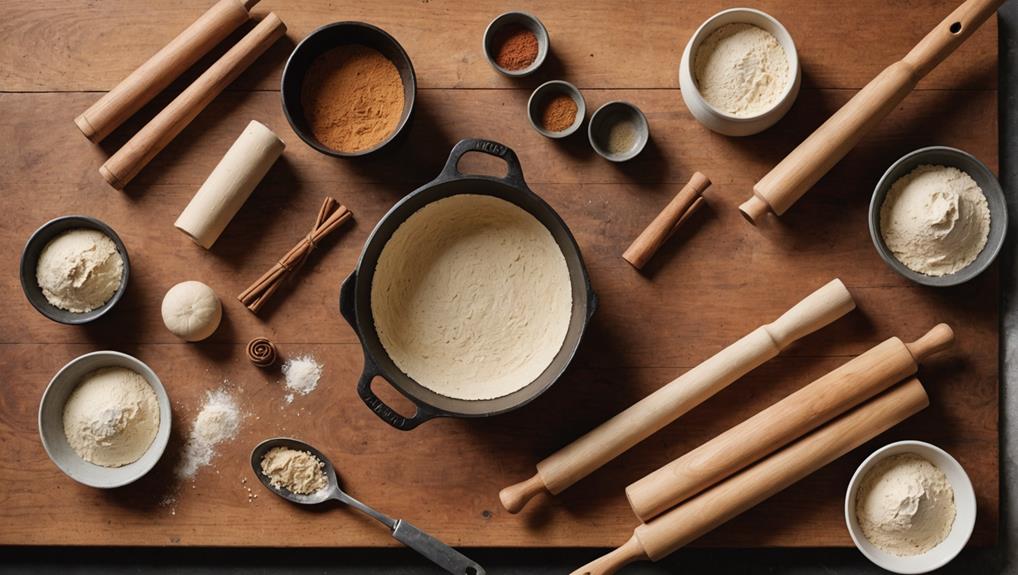
To commence the delightful journey of making chimney cake at home, having the right equipment is crucial. A sturdy rolling pin proves essential for shaping the dough into long strips, which will later be enveloped around molds.
Speaking of molds, empty soda cans or stainless steel pastry cones can be creatively repurposed to provide the iconic hollow structure of chimney cakes.
To prevent the dough from sticking during the baking process, covering the rolling pin or soda cans with aluminum foil is a handy trick. Additionally, a 9×13-inch baking pan serves as a supportive base in the oven, ensuring stability and even cooking while the cakes bake to perfection.
For mixing the dough, a stand mixer is highly recommended, as it effectively develops the gluten needed for that perfect texture. However, hand kneading also works well, allowing bakers to connect more intimately with their creation.
With these essential tools at hand, anyone can confidently initiate the delicious adventure of crafting traditional Hungarian chimney cakes, ready to impress friends and family with this delightful treat.
Step-by-Step Recipe
When it's time to create your own delicious chimney cake, following a clear step-by-step recipe makes the process enjoyable and straightforward.
First, prepare the dough by combining 4 cups of all-purpose flour, 1 cup of warmed milk, 1/2 cup of sugar, and 1 packet of active dry yeast in a mixing bowl. Knead until smooth, then let it rise in a warm place for about 1 hour.
Next, roll the risen dough into long strips. Wrap these strips around a greased cylindrical baking surface or soda can, making sure to leave gaps between them for even cooking.
Finally, follow these baking steps:
- Preheat the oven to 375°F (190°C).
- Bake the wrapped dough for approximately 15-20 minutes, rotating occasionally until golden brown.
- For extra flavor, brush the dough with melted butter or an egg wash before rolling it in a cinnamon sugar mixture.
Once baked, allow the chimney cakes to cool slightly.
Then, you can enjoy them plain or filled with delightful toppings like whipped cream, Nutella, or chocolate sauce.
Serving Suggestions
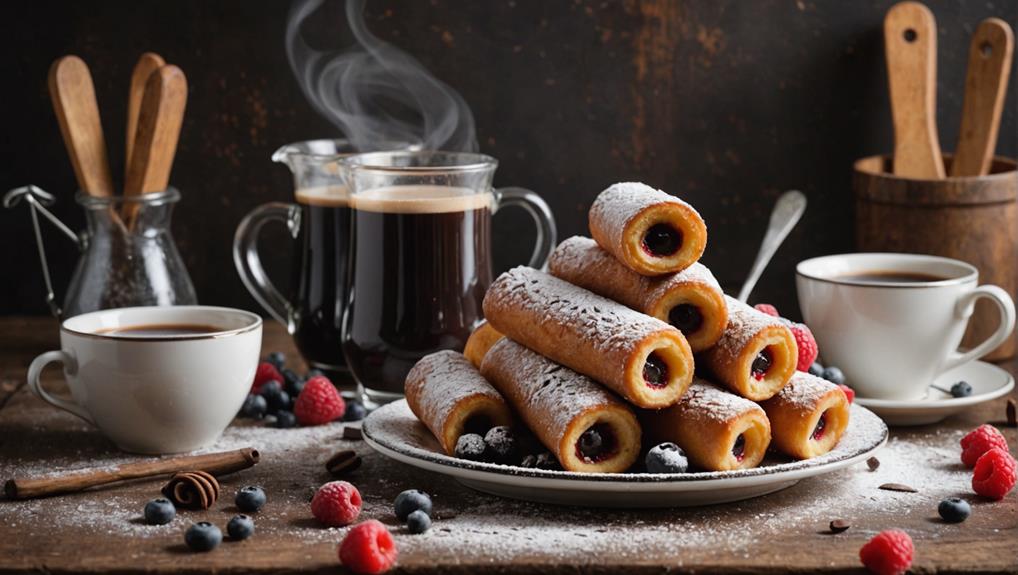
How can you elevate the experience of enjoying chimney cake? Start by serving these delightful treats plain or indulge your guests with popular dipping sauces like hot fudge, salted caramel, or butterscotch for an extra layer of flavor.
The hollow structure of chimney cakes makes them perfect for filling with whipped cream, ice cream, or rich Nutella, allowing for stunning dessert presentations that are sure to impress.
For a playful twist, transform them into dessert sundaes by layering ice cream and toppings inside the cake, creating a sweet surprise with every bite. Enhance the visual appeal and texture by adding sprinkles, chopped nuts, or a delicate dusting of powdered sugar.
Pairing chimney cakes with a steaming cup of coffee or soothing tea provides a delightful contrast, making your gathering feel even more special. This combination not only complements the sweetness of the cake but also encourages lively conversations among friends and family.
With these serving suggestions, chimney cakes become more than just a dessert—they transform into a memorable experience that your guests will cherish long after the last bite.
Storage Tips
Storing chimney cakes properly guarantees they stay fresh and delicious for as long as possible. To help secure the best quality, consider these storage tips:
- Airtight Container: Keep chimney cakes in an airtight container at room temperature for up to two days. This method helps maintain freshness and prevents them from hardening.
- Freezing: For longer storage, freeze the cakes for 2-3 months. Make sure they're completely cooled and wrapped in plastic wrap to prevent freezer burn.
- Thaw and Reheat: When you're ready to enjoy them again, thaw the frozen chimney cakes at room temperature or in the refrigerator. To reheat, place them in a preheated oven at 350°F (180°C) for about 5-10 minutes until they're warmed through and crispy again.
Additionally, avoid stacking chimney cakes during storage to prevent them from becoming squished and losing their shape and texture.
Common Questions
Is Chimney Cake Hungarian or Romanian?
Chimney cake, or Kürtőskalács, boasts Hungarian roots yet enjoys popularity in Romania, especially Transylvania. Both cultures celebrate it, showcasing regional variations that highlight their rich culinary heritage, creating a delightful treat for all to enjoy.
What Are the Ingredients in a Kurtosh?
When contemplating Kürtőskalács, one might wonder about its delightful ingredients. This treat's foundation includes all-purpose flour, active dry yeast, sugar, warm milk, unsalted butter, and egg yolks, creating a luscious, sweet dough that's irresistible.
What Are the Different Types of Chimney Cakes?
There're various types of chimney cakes, including sweet versions coated with sugar and cinnamon, savory options filled with cheese or meats, chocolate-infused varieties, and cone-shaped ones designed to hold delicious fillings like ice cream or Nutella.
What Is the History of Chimney Cake in Hungary?
Chimney cake's history in Hungary weaves a tapestry of tradition and joy. Dating back to medieval times, it's become a cherished delight, fostering community spirit at fairs, where its sweet aroma beckons everyone to gather.
Wrapping Up
As the chimney cake emerges golden and fragrant, it symbolizes the warmth of home and the joy of shared moments. Each bite reveals the delicate balance of crisp and soft, reminiscent of life's sweet contrasts. This delightful treat invites laughter and conversation, transforming simple gatherings into cherished memories. With a sprinkle of cinnamon or a scoop of ice cream, it becomes more than just dessert; it embodies tradition, creativity, and the love woven into every homemade experience.